

How to Rent an Apartment With Bad Credit (Under 600)
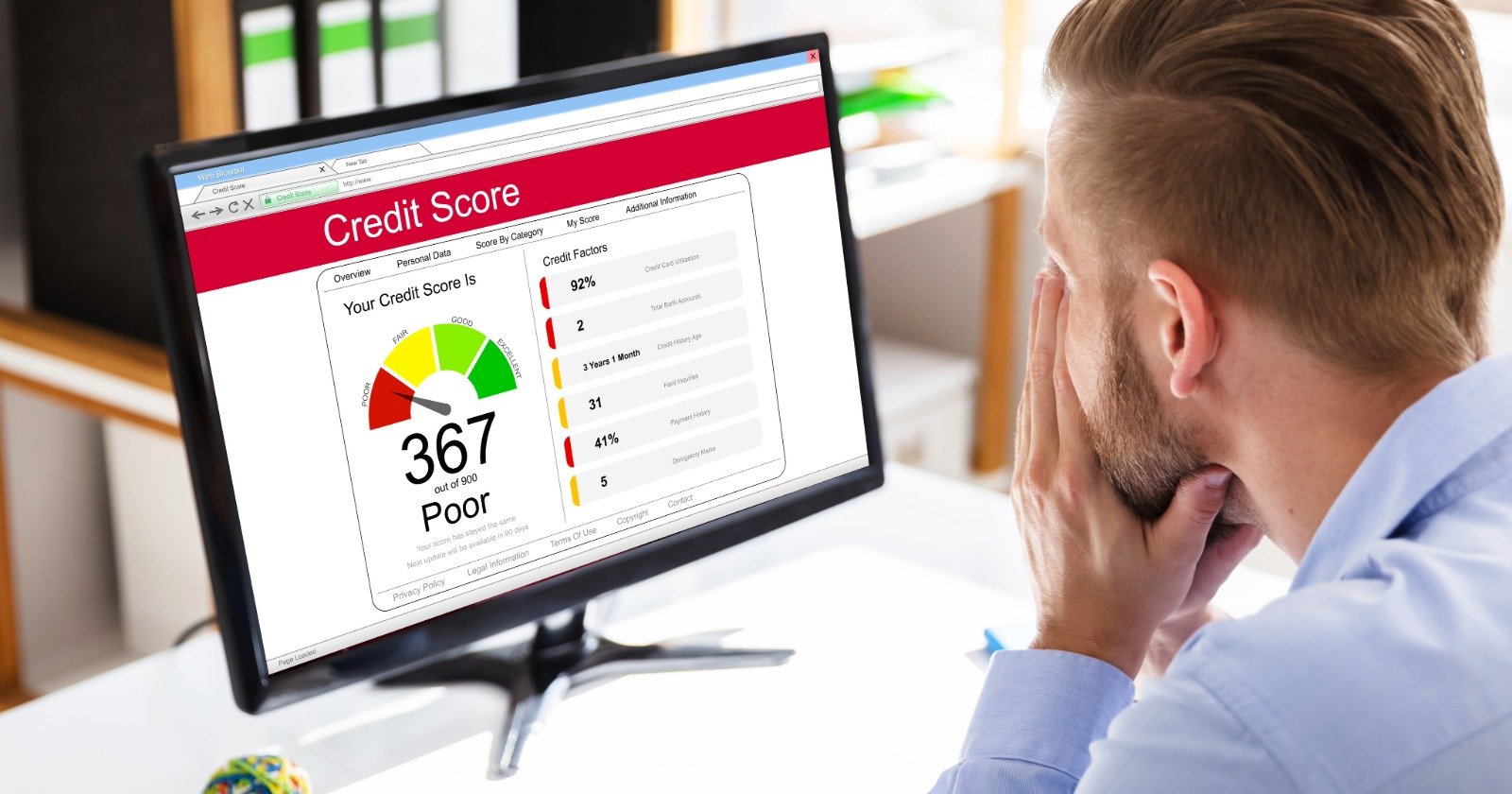
A credit score under 600 puts you below the line most landlords use to screen applicants, which usually sits around 620 to 650. That is real, and it will close some doors. But plenty of people with weak or thin credit rent perfectly good apartments every month. The difference is that they go in with a plan instead of crossing their fingers and paying application fees. Here is what actually works, starting with where you really stand.
What counts as bad or no credit
It helps to know the landscape. Most landlords treat roughly 620 to 650 as a baseline, and large professional management companies often set it higher, around 650 to 670, with automated screening. Below 620 you are in subprime territory, and under 580 is generally considered poor by the major scoring models. A separate problem is thin or no credit, where you simply do not have enough history to generate a reliable score, common for younger renters and newcomers to the country. Each situation calls for a slightly different pitch, but all of them are workable.
Understand what the landlord is really afraid of
A low score is shorthand for one fear. Will this person pay rent on time. Your job is to answer that fear with evidence stronger than the number. A landlord who can see steady income, a clean rental history, and money in the bank often cares far less about a 580 than an automated system does. That is the whole strategy in one sentence. Replace the missing trust the score would have provided with proof the score cannot capture.
The moves that get a yes
Offer a larger security deposit or a couple of months of rent up front. This directly reduces the landlord risk and is the single most persuasive thing you can do, since it puts your money where the worry is. Bring a cosigner or guarantor with strong credit who agrees to cover the lease if you cannot. Show proof of income that clears the standard bar comfortably, which is gross monthly income of about three times the rent, using pay stubs or bank statements. Gather references from past landlords confirming you paid on time, because nothing reassures a landlord like another landlord. And write a short, honest letter explaining the score if there is a specific reason behind it, like a medical event or a single old default, especially if your recent history is clean.
Choose the right kind of landlord
Where you apply matters as much as how you apply. Large professional management companies running big complexes lean on automated screening with hard cutoffs, and a sub-600 score often gets auto-declined before a human ever sees your file. Smaller independent landlords have discretion. They can read your full story, meet you, and make a judgment call. If your credit is weak, focus your search on individually owned units, smaller buildings, and landlords who list their own places rather than running everything through a portal. Condos rented out by their owners are often the most flexible of all.
What to avoid
Be cautious with no-credit-check listings that ask for large deposits wired before you have seen the unit, since those are a common scam targeting people who expect to be turned down elsewhere. Never send money before touring and verifying the landlord owns the property. And do not let a string of rejections push you toward a place you cannot actually afford, because a high rent burden is what turns a borderline approval into a missed payment later.
Protect your money while you search
Application fees run $40 to $75 each and they are not refundable, so do not apply blind. Check your score for free through your bank or a credit service before you tour, and line up your deposit, cosigner, or paperwork in advance so you are not scrambling after a rejection. Just as important, target apartments you can actually carry. A borderline score is far easier to approve when the rent is a comfortable share of your income, so run the numbers in the RentDataNow affordability calculator first, and check median rents for your area at RentDataNow so you are searching in the right price band. For the full picture on screening thresholds, see what credit score you need to rent an apartment.
Sources
Credit score ranges and rental screening: Experian, What Credit Score Is Needed to Rent an Apartment? and Consumer Financial Protection Bureau.
Frequently Asked Questions
Can you rent an apartment with a credit score under 600?
Yes. A score under 600 is below most landlords typical 620 to 650 cutoff, but you can still get approved by offering a larger deposit, adding a cosigner, proving strong income, and applying with smaller independent landlords who screen by judgment rather than automation.
What is the most effective way to get approved with bad credit?
Offering a larger security deposit or a few months of rent up front is the single most persuasive move, because it directly reduces the landlord financial risk. A strong cosigner and proof of income at three times the rent are close behind.
Do big apartment complexes reject low credit scores automatically?
Often, yes. Large professional management companies tend to use automated screening with hard score cutoffs, so sub-600 applicants can be declined before a person reviews the file. Smaller independent landlords have more discretion to consider your full application.
Related Rent Guides
How to Break a Lease Without Losing Your Deposit
Breaking a lease does not have to cost you your security deposit. Here is how to read your options, use your legal protections, an…

Why Every Rent Report Gives a Different Number, and Which One to Trust
One city, five rent reports, five different numbers. Here is what each major source actually measures, why they disagree, and whic…

Average Rent by State: From $1,206 in Iowa to $3,612 in New York
Rent varies nearly threefold across the US. Here is the average rent in all 50 states, from the cheapest to the most expensive, wi…

Jennifer Han is the editor in chief of RentDataNow, covering rent trends, housing costs, and more. She was a real-estate agent before she moved to writing about the market.
Comments (0)
Sign in to join the discussion
No comments yet. Be the first to share your thoughts.