

Is your rent fair?
Landlords know exactly what the market will bear. Now you do too.
Latest from the Blog
View all →
What a lease guarantor company costs
 Henry Jo·Oct 25, 2026, 11:22 AM EDT
St. Louis rent is up 31% since 2021
Henry Jo·Oct 24, 2026, 12:12 PM EDT
San Francisco, Los Angeles, and Seattle have the most renters living without a full kitchen
 Jennifer Han·Oct 23, 2026, 11:26 AM EDT
What's the average rent in the US? $1,388, $1,694, or $1,932, depending on who's counting
Jennifer Han·Oct 23, 2026, 11:23 AM EDT
Houston rental affordability in 2026: Why it takes about $61,760 a year to rent the typical home
Henry Jo·Oct 22, 2026, 11:08 AM EDT
The cheapest month to sign a lease in 50 big cities, and how much waiting can save
Henry Jo·Oct 22, 2026, 11:02 AM EDT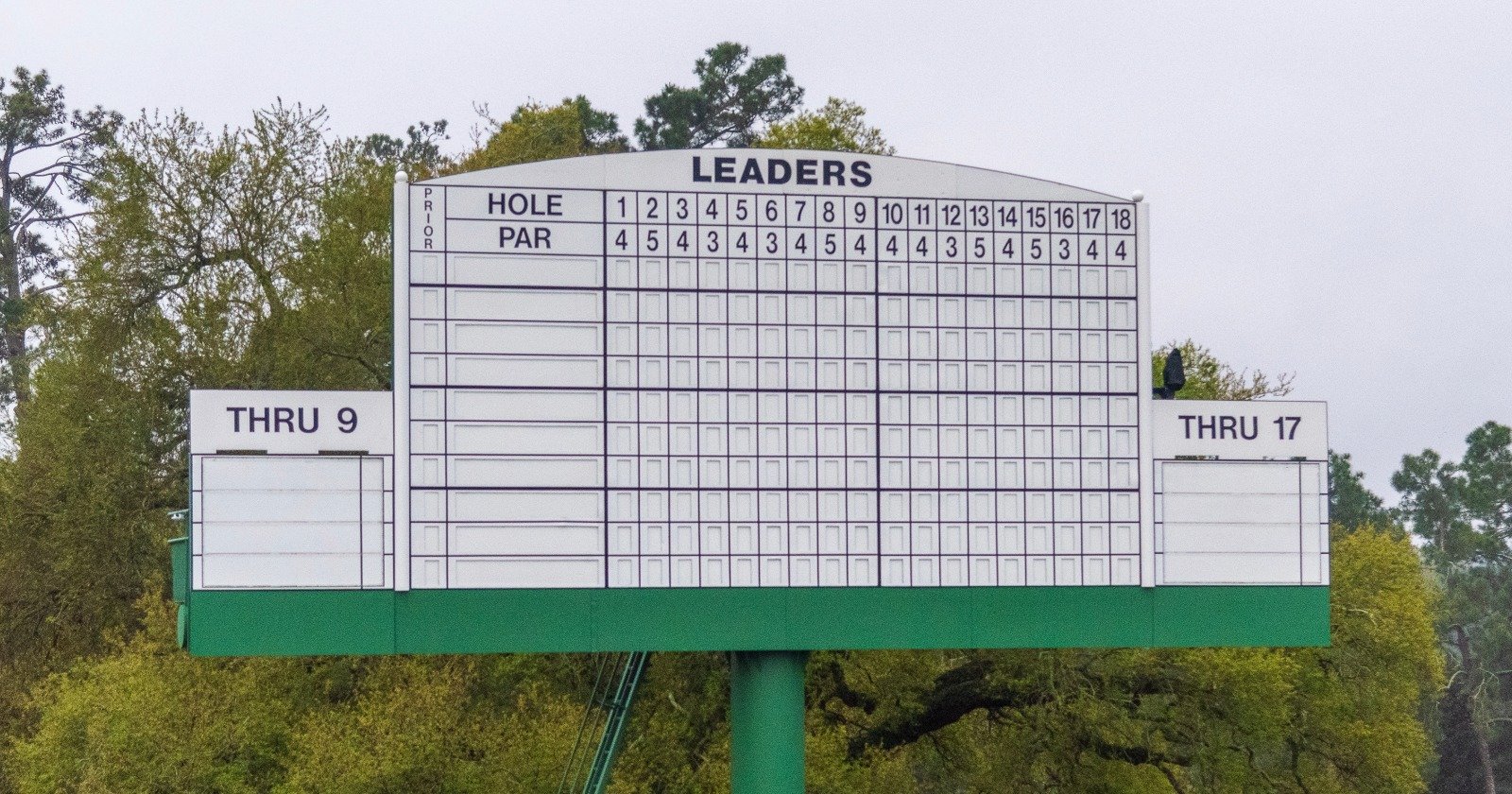
Augusta's zoning rewrite would ban short-term rentals in most neighborhoods, Masters week included
Jennifer Han·Oct 21, 2026, 11:43 AM EDT
Palmdale's typical rent is now within $30 of Los Angeles. Here's where the Antelope Valley still saves you money
Henry Jo·Oct 21, 2026, 11:40 AM EDT
Equity? You're not throwing money away by renting. Here's the math
Henry Jo·Oct 20, 2026, 11:18 AM EDT
Can you use your security deposit as last month's rent? In Texas it can cost you triple
Jennifer Han·Oct 20, 2026, 11:10 AM EDT
Most UK first-time buyers now pay more on the mortgage than they did in rent. In the US, the jump is far bigger
Jennifer Han·Oct 19, 2026, 10:36 AM EDT
The cheapest places to rent in Arizona, and why Phoenix-area renters have room to bargain
Henry Jo·Oct 19, 2026, 10:33 AM EDT



Latest Studies & Reports
View all →A $50,000 salary covers typical rent in only 3 of the 100 largest US cities
Under the 30% rule, $50,000 a year covers typical rent in Laredo, Toledo, and Wichita and nowhere else among the 100 largest US cities. It takes $80,000 to clear the bar in 71 of them.
January is the cheapest month to rent in most big US cities
Asking rents bottom out between December and February in 94 of the 100 largest US cities and peak in summer. The gap averages 1.7%, but in New York it comes to $1,584 over a year-long lease.
In 37 of the 100 largest US cities, the typical household can't afford the typical rent
The salary needed to rent the typical home at 30% of income ranges from $45,120 in Toledo to $187,280 in San Francisco. In 37 of the 100 largest cities, the median household earns less.
Trending Up
Trending Down
Most Affordable
Cities with the biggest seasonal rent swings
How far typical asking rents move between the cheapest and priciest month of the year, from at least five years of Zillow data. The bigger the swing, the more it pays to time a lease. Cities with 15,000+ residents.
| Rank | City | Yearly swing | Cheapest month | Priciest month | Median rent |
|---|---|---|---|---|---|
| 01 | NewportRI | 12.0% | October | May | $3,022/mo |
| 02 | WellingtonFL | 11.4% | May | November | $3,808/mo |
| 03 | SomervilleMA | 7.6% | December | June | $3,428/mo |
| 04 | Long BeachNY | 6.8% | November | June | $3,563/mo |
| 05 | SaratogaCA | 6.5% | December | June | $6,140/mo |
The national picture
What a Real Estate Agent can afford
Landlords have always known what the market will bear. Now you do too.
Rent data used to be scattered, paywalled, or six months out of date. We built RentDataNow to fix that, combining researched data, HUD fair market rents, Census surveys, and real submissions from renters like you.
No account required. No paywall. Just the numbers, updated frequently, covering every city and ZIP code in the country.
Learn more about our methodology →Understanding Rent Prices Across America
Median rent is the midpoint of all rents in an area: half the listings are above it, half below. Averages get skewed by a handful of pricey outliers; the median doesn’t. We pull from public housing surveys, private sources, and renter-submitted data to keep the numbers grounded in what people are actually paying.
A city’s median rent can hide a lot. One neighborhood might run $900/month while another a few miles away is $1,500. That’s why we track rent at the ZIP code level. You can compare specific areas side by side instead of relying on one number for an entire city.
When you’re looking for a place, search the city or ZIP on RentDataNow, check whether rents have been rising or falling over recent months, and look at nearby ZIPs. Moving a few miles can mean a real difference in what you pay. Data updates frequently and includes submissions from actual renters, so you’re not working from Census figures that are two years old.