

Airbnb sends Salt Lake City cease and desist over alleged fake booking accounts
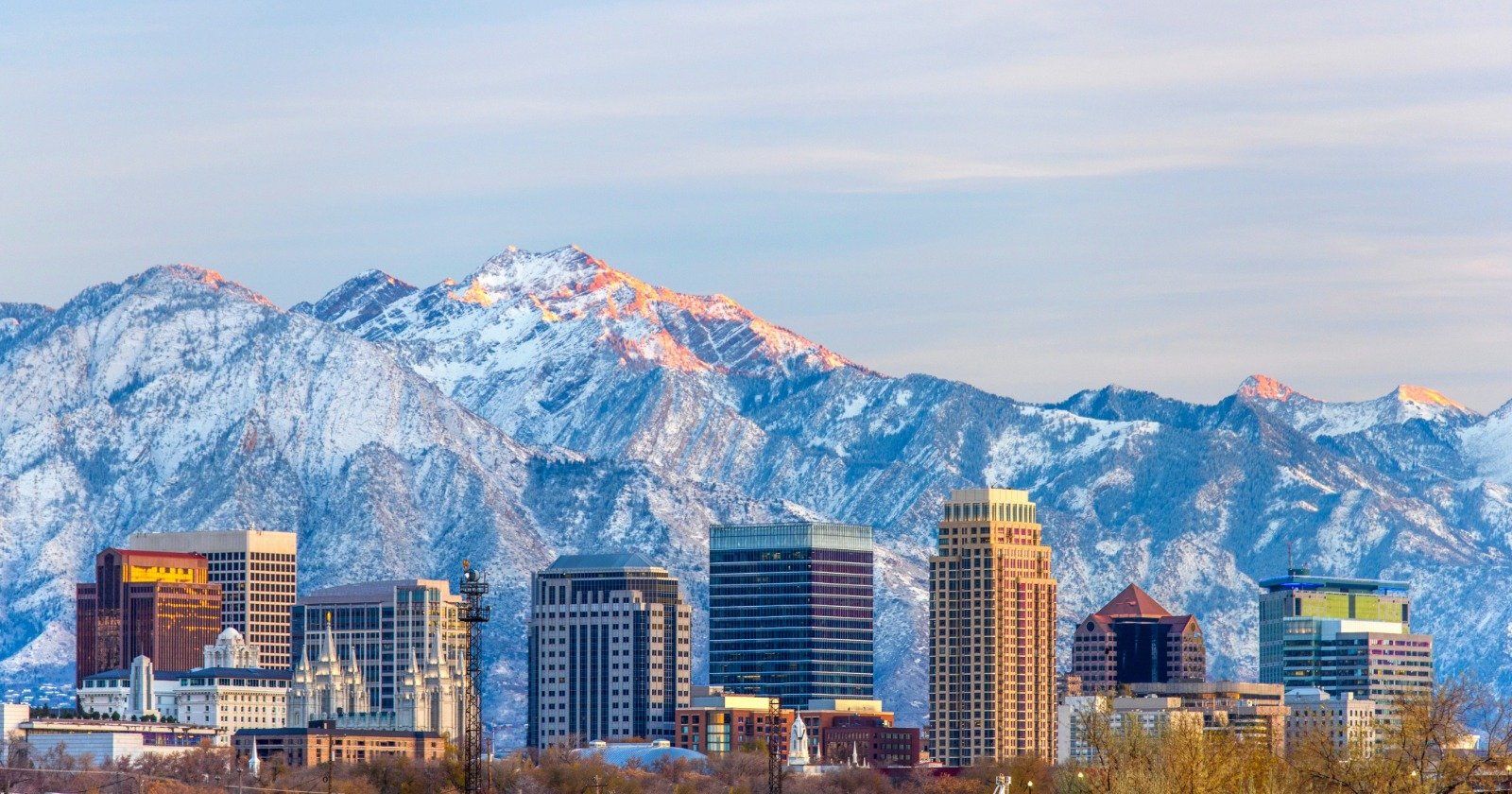
Airbnb has sent Salt Lake City a cease and desist letter. The company says city enforcers, or people working for them, set up fake guest accounts to message hosts, get them to confirm a booking, and then used those replies as evidence that the hosts were breaking the city's new short-term rental rules.
Airbnb calls that a violation of its terms of service, which bar anyone from posing as someone else. In a letter dated August 6 and obtained by The Salt Lake Tribune, the company said the tactic also raises questions under Utah law.
The rules at the center of it took effect July 1. They require a city license, cap a rental at 200 nights a year, set a two-night minimum stay, and limit short-term rentals to 10% of the units in any building with more than ten. Salt Lake City has roughly 1,800 Airbnb listings and hired two staffers to enforce the new rules.
What each side is fighting over
The city isn't backing down on enforcement. Sofia Jeremias, a spokesperson for the Community and Neighborhoods Department, said the civil team uses several methods to check for violations, including contacting people who advertise units. "The city will continue to investigate and cite illegally operating short-term rentals," she said, while adding that officials are reviewing Airbnb's letter to confirm their methods are legal. About 400 properties appear to be running illegally in residential zones, where short-term rentals aren't allowed at all.
Owners are angry. Aaron Kirkham, who runs a Utah property-management firm called Conmigo, said the limit cuts an owner's earning potential by about 45%, enough that investors he knows are thinking about selling. He argues the two-night minimum is arbitrary, the kind of rule the city wouldn't dream of putting on any other business. Brent Stevenson, who bought a downtown condo specifically because it sat in a zone that permitted short-term rentals, put it more bluntly: he can't name another business that requires a license and then makes it impossible to operate.
Whether pulling the units back helps renters
The city's stated goal is to return some of these homes to the regular rental pool for at least part of the year. It's worth asking what that actually buys, and our data suggests the answer is modest at the citywide level.
Typical rent in Salt Lake City is about $1,629 a month, up a mild 3.3% over the past year. On our Rent Reality Score, which measures rent against a city's own history, Salt Lake City sits at 73, meaning rent is running below the level its trend would predict. This isn't a market boiling over. Against a city of 208,000 people, roughly 1,800 short-term listings are a small slice of the housing stock, so converting them wouldn't move the typical rent much.
Where the cap could bite is narrower and more real: specific downtown buildings, where the 10%-per-building limit concentrates the effect, and the roughly 400 units operating illegally in neighborhoods zoned for full-time residents. That's less an affordability play than a fight over what those blocks are for. For the wider picture, see our Salt Lake City rent data and the statewide view on the Utah rent overview.
Sources
The Salt Lake Tribune, Airbnb vs. Salt Lake City (August 14, 2026), for the cease and desist letter, quotes and enforcement details
Axios Salt Lake City, Salt Lake City tightens short-term rental requirements (July 1, 2026), for the ordinance terms
RentDataNow Salt Lake City rent data, anchored to the Zillow Observed Rent Index, June 2026
Frequently Asked Questions
Why did Airbnb send Salt Lake City a cease and desist letter?
Airbnb alleges that city enforcement staff, or people working for them, created fake guest accounts to message hosts and confirm bookings, then used those replies as evidence of rule violations. Airbnb says that breaks its terms of service, which bar users from posing as someone else.
What are Salt Lake City's new short-term rental rules?
Effective July 1, 2026, operators need a city license. Rentals are capped at 200 nights a year, must have a two-night minimum stay, and are limited to 10% of the units in any building with more than ten. Short-term rentals remain banned in residential zones.
Will limiting short-term rentals lower rent in Salt Lake City?
Probably not by much citywide. Roughly 1,800 listings are a small share of a city of 208,000, and typical rent is up just 3.3% over the past year. The bigger effect is likely in specific downtown buildings and the roughly 400 units operating illegally in residential zones.
Related Rent Guides
Two-thirds of Salt Lake City-area rentals offer deals as rent growth stalls
Salt Lake City rent has been nearly flat for a year, and about two-thirds of listings in the metro come with a deal. Here's what r…
California rent would take 17 years to catch up to a mortgage payment. At this year's pace, Los Angeles would take 54
Rent in six big California metros would need about 17 years of normal growth to match what a homebuyer pays now. At last year's sl…
Rent is rising in most Southern California cities after falling earlier this year
Rents are rising again across Southern California, led by Orange County and the Inland Empire. Two rent trackers agree on the dire…

Henry Jo is a housing analyst covering rent data, affordability, city comparisons, and much more. He started following rental data while apartment hunting in two cities at once, and he lives in the Pacific Northwest.
Comments (0)
Sign in to join the discussion
No comments yet. Be the first to share your thoughts.