

How to Research a Neighborhood Before You Sign a Lease
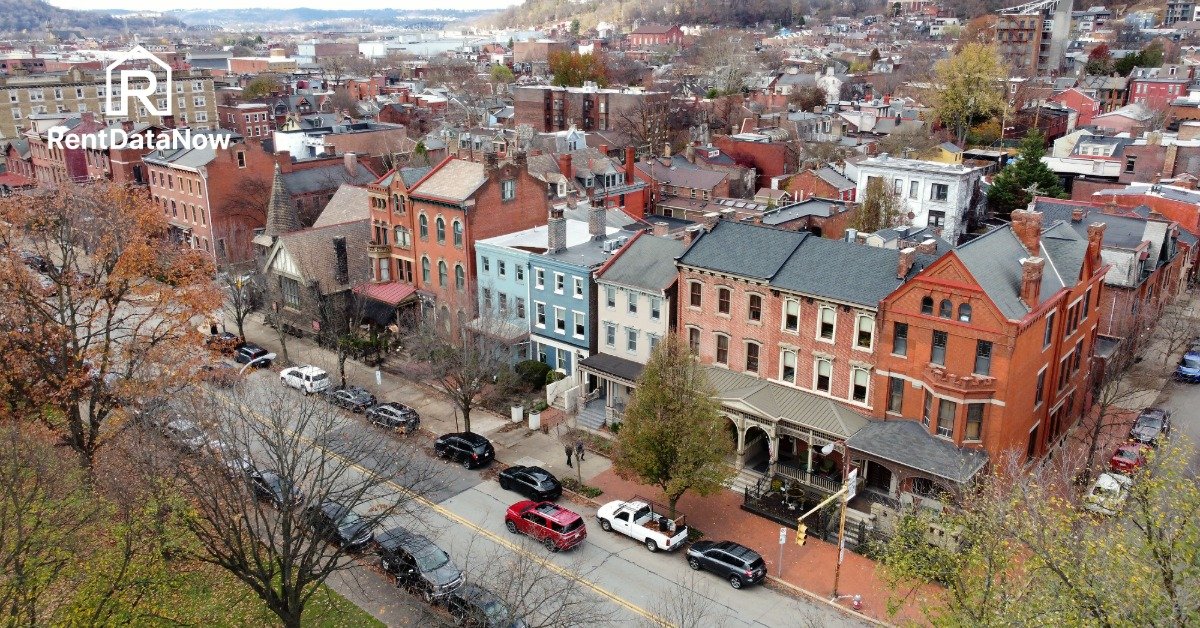
Most people spend more time researching a new phone than they do the neighborhood they're about to commit to for 12 months. A bad apartment you can work around. A neighborhood that doesn't fit your life is harder to fix, and you're stuck with it until your lease ends.
Here's a practical framework for doing this right before you sign anything.
Start With the Rent Data
Before anything else, check whether the price you're being quoted makes sense for that specific neighborhood. City-wide averages tell you almost nothing. A one-bedroom in one part of Atlanta might run $900 and in another part $2,100, and both are in the same city.
Pull the ZIP-level median rent for the neighborhood you're looking at. If the listing is significantly above median for comparable units in that ZIP, either the unit has something that justifies the premium or you're overpaying. If it's at or below median, that's a reasonable baseline. RentDataNow shows median rent by city and ZIP with bedroom breakdowns, which is the right level of granularity for this comparison.
Check the Demographics and Income Data
Census ACS data tells you things about a neighborhood that listing photos never will. Median household income gives you a sense of who lives there and whether a neighborhood is economically stable or in transition. Housing tenure, the split between renters and owners, tells you whether you're looking at a transient renter-heavy area or a more settled mixed community. Age distribution tells you whether the neighborhood skews young and active or older and quieter.
RentDataNow pulls this data for city and ZIP pages, so you can check it directly alongside rent figures without needing to dig through Census tables yourself.
Look Up Crime Data
Most major cities publish crime data by neighborhood or ZIP code, either through a city government portal or through third-party crime mapping tools. Spend 10 minutes looking at incident type and frequency before you tour. You're not looking for a crime-free neighborhood, those don't exist. You're looking for the type of crime and whether it matches your specific concerns.
Property crime like car break-ins and theft is common in many otherwise livable urban areas. Violent crime is a different calculation. Pay attention to what's actually happening on the map rather than just an aggregate score. A neighborhood with high property crime near a transit station but low violent crime looks very different from one with the reverse pattern.
Test the Commute for Real
Google Maps commute times are not your commute. They're the average. Your commute is what happens when you leave at the time you actually leave, on the days you actually work, in the direction you actually travel. If you can, do a test run during actual commute hours before signing.
If you're taking transit, check whether the route is direct or requires transfers. One transfer adds time but more importantly adds failure points when trains run late. If you're driving, check whether there are multiple route options or whether construction or a single accident will bottle you up with no alternatives.
Walk the Neighborhood at Different Times
A neighborhood at 2pm on a Tuesday and that same neighborhood at 10pm on a Friday are not the same place. Visit at least twice at different times of day and different days of the week before committing. Walk around, don't just drive through.
Pay attention to things that don't show up in data: how busy the sidewalks are, whether businesses are open and active, whether the streets feel cared for or neglected, what kinds of places are nearby. A coffee shop and a grocery store within walking distance affects your daily life more than almost any in-unit amenity.
Check the Building's Reputation Separately from the Neighborhood
A great neighborhood with a badly managed building is still a bad rental. Search the building's name and address on Google along with words like "reviews" or "complaints." Apartment review sites often have tenant feedback about maintenance responsiveness, management quality, and building conditions. Look for patterns across multiple reviews rather than one or two outliers.
Check your city or county housing department's website. Many jurisdictions post building inspection records publicly. A building with repeated code violations or unresolved maintenance complaints is a red flag regardless of how nice the listing photos look.
Talk to People Who Actually Live There
This sounds obvious but most people skip it. If you're touring an apartment building, try to chat briefly with a resident you encounter in the lobby or elevator. Ask how long they've lived there, whether they'd renew. Their answer in 30 seconds will tell you more than an hour of online research.
Local subreddits for cities are genuinely useful for neighborhood-specific questions. Search the city subreddit for the neighborhood name before you move and read what current residents say about it. You'll find honest takes on noise, parking, safety, and landlord reputation that don't show up anywhere else.
Check What's Coming to the Area
A neighborhood's future matters as much as its present. New transit stops, BeltLine extensions, major development projects, and rezoning all affect what a neighborhood looks like 12 to 24 months from now. A lease signed today in a neighborhood where a major employer or transit hub is under construction might look very different at renewal.
City planning department websites publish development proposals. Local news coverage of a neighborhood often surfaces these projects before they're widely known. If you're in a place where you might stay more than one lease cycle, it's worth knowing what's coming.
Use the Compare Tool Before You Decide Between Two Areas
If you're deciding between two neighborhoods or two cities, RentDataNow's Compare tool lets you put them side by side with rent data, income, demographics, and housing tenure in one view. It's the fastest way to see whether the cheaper option is actually cheaper once you account for income levels and what the area looks like on paper.
The 10 to 15 minutes of research described here takes less time than most people spend choosing a restaurant for dinner. The decision affects where you live for the next year. It's worth doing it right.
Check rent and demographic data for any neighborhood at RentDataNow before you sign.
Frequently Asked Questions
How do you know if a neighborhood is overpriced for rent?
Compare the listing price to ZIP-level median rent for similar units. If it is much higher than the median, you may be overpaying unless the unit has clear upgrades or a premium location.
What should you check before renting in a new neighborhood?
Look at rent data, crime trends, commute times, and local demographics. Visit the area at different times and check reviews of the building and management.
Is it better to research the apartment or the neighborhood?
Both matter, but the neighborhood usually has a bigger impact on your daily life. A great unit in a bad location is harder to fix than a decent unit in the right area.
Related Rent Guides
How to Break a Lease Without Losing Your Deposit
Breaking a lease does not have to cost you your security deposit. Here is how to read your options, use your legal protections, an…

Why Every Rent Report Gives a Different Number, and Which One to Trust
One city, five rent reports, five different numbers. Here is what each major source actually measures, why they disagree, and whic…

Average Rent by State: From $1,206 in Iowa to $3,612 in New York
Rent varies nearly threefold across the US. Here is the average rent in all 50 states, from the cheapest to the most expensive, wi…
The RentDataNow Editorial Team is a group of housing data analysts and market researchers who track rental price trends, affordability metrics, and housing supply indicators across cities and ZIP codes throughout the United States. Using publicly available datasets from government agencies, housing authorities, and market research sources, we compile and analyze rental price data to provide clear insights into how housing costs are changing over time. RentDataNow aims to make rental market data more transparent and accessible so renters, researchers, and policymakers can better understand local housing trends.
Comments (0)
Sign in to join the discussion
No comments yet. Be the first to share your thoughts.