

Your landlord sold the building. What happens to your lease?
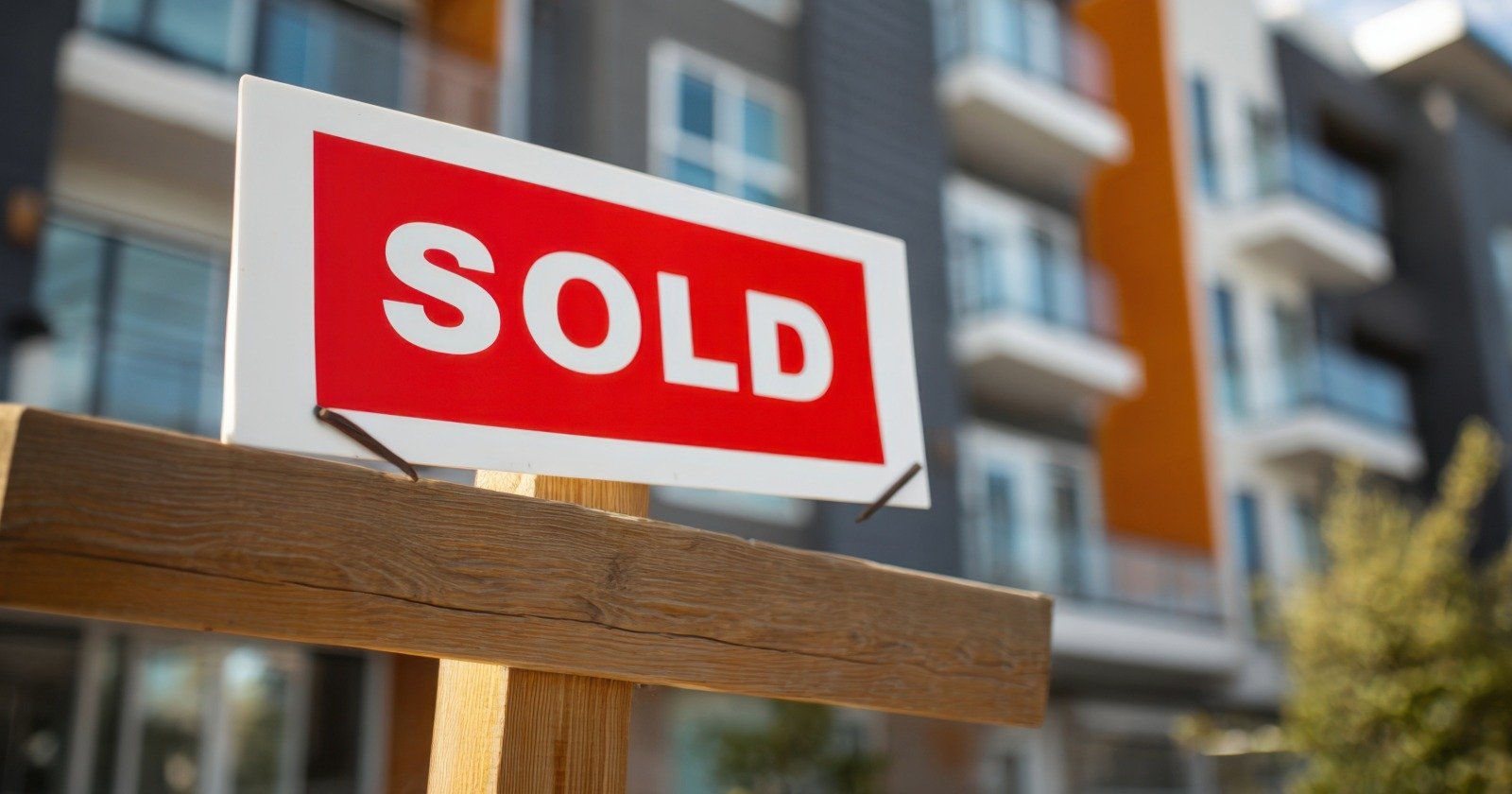
A notice arrives saying the building has been sold and rent now goes to a new company, and the reasonable assumption is that everything is about to change. Legally, almost nothing does.
A lease runs with the property, so a sale transfers the building and the leases attached to it. The buyer becomes your landlord and inherits the obligations of the previous one, including your rent amount, your lease terms, your end date, and your security deposit.
For the remaining term, the new owner can't raise your rent, change the terms, or ask you to leave.
What the new owner takes on
Rent stays what the lease says until it expires, so if you're eight months into a twelve-month lease at $1,600, you pay $1,600 for four more months regardless of what the new owner thinks the unit is worth.
Repairs and habitability obligations transfer too. A new owner doesn't get a clean slate on a broken furnace the previous landlord ignored, though in practice you'll likely need to make the request again in writing to the new party.
Your deposit follows one of two paths. Either the old owner returns it to you directly, or it's transferred to the new owner who holds it until your lease ends. Most states require written notice telling you which happened and giving you the new owner's contact information. If you never get that notice, ask in writing and keep the answer, because at move-out you'll need to know who is holding your money.
Where it can actually change
Some leases contain a sale or termination clause allowing the tenancy to end if the property is sold. These aren't common in residential leases, and they're worth looking for specifically, because if yours has one the new owner can end your tenancy after closing under whatever notice that clause requires.
Month-to-month tenancies are different by nature. There's no fixed term to inherit, so a new owner can change the rent or end the arrangement with whatever notice your state requires, typically 30 or 60 days. That isn't a special power granted by the sale, it's just how month-to-month works, and it's the main reason a sale feels riskier for those tenants.
Renewal is also fair game. The new owner has no obligation to offer you another lease, and can price the next one at market. A sale often means a repositioning plan, so renters in a recently sold building should expect the renewal conversation to be a real one.
What to do in the first week
Get the new owner's legal name, mailing address, and payment instructions in writing before you send rent anywhere new. Rent-scam attempts cluster around ownership changes precisely because tenants expect the payee to change.
Confirm in writing who holds your deposit and how much. Send your own copy of the lease to the new manager if they ask for terms, since transferred records are often incomplete and a missing lease is how a rent dispute starts.
Document the unit's condition now, with dated photos. You'll be settling up with a party who never saw the place when you moved in, and the move-in record from the previous owner may not have survived the transfer.
If the new owner does start pushing for changes mid-lease, our guide to an unexpected rent increase covers the options, and how to spot a rental scam is worth a read before you redirect a payment.
Sources
Cadden & Fuller LLP, on selling a leased property during its term
Lemonade, on tenant rights and deposit transfer when a property is sold
Frequently Asked Questions
Can a new owner evict me after buying the building?
Not during a fixed-term lease. The lease runs with the property, so the buyer inherits it and must honor the rent and terms until it expires. The exceptions are a sale-termination clause in your lease or a month-to-month tenancy.
What happens to my security deposit when the property is sold?
Either the previous owner returns it to you or transfers it to the new owner, who holds it until your lease ends. Most states require written notice telling you which occurred along with the new owner's contact information.
Can the new owner raise my rent?
Not during the remaining term of a fixed lease. They can price a renewal at market once the current lease expires, and month-to-month tenants can see an increase with whatever notice their state requires, typically 30 to 60 days.
Related Rent Guides
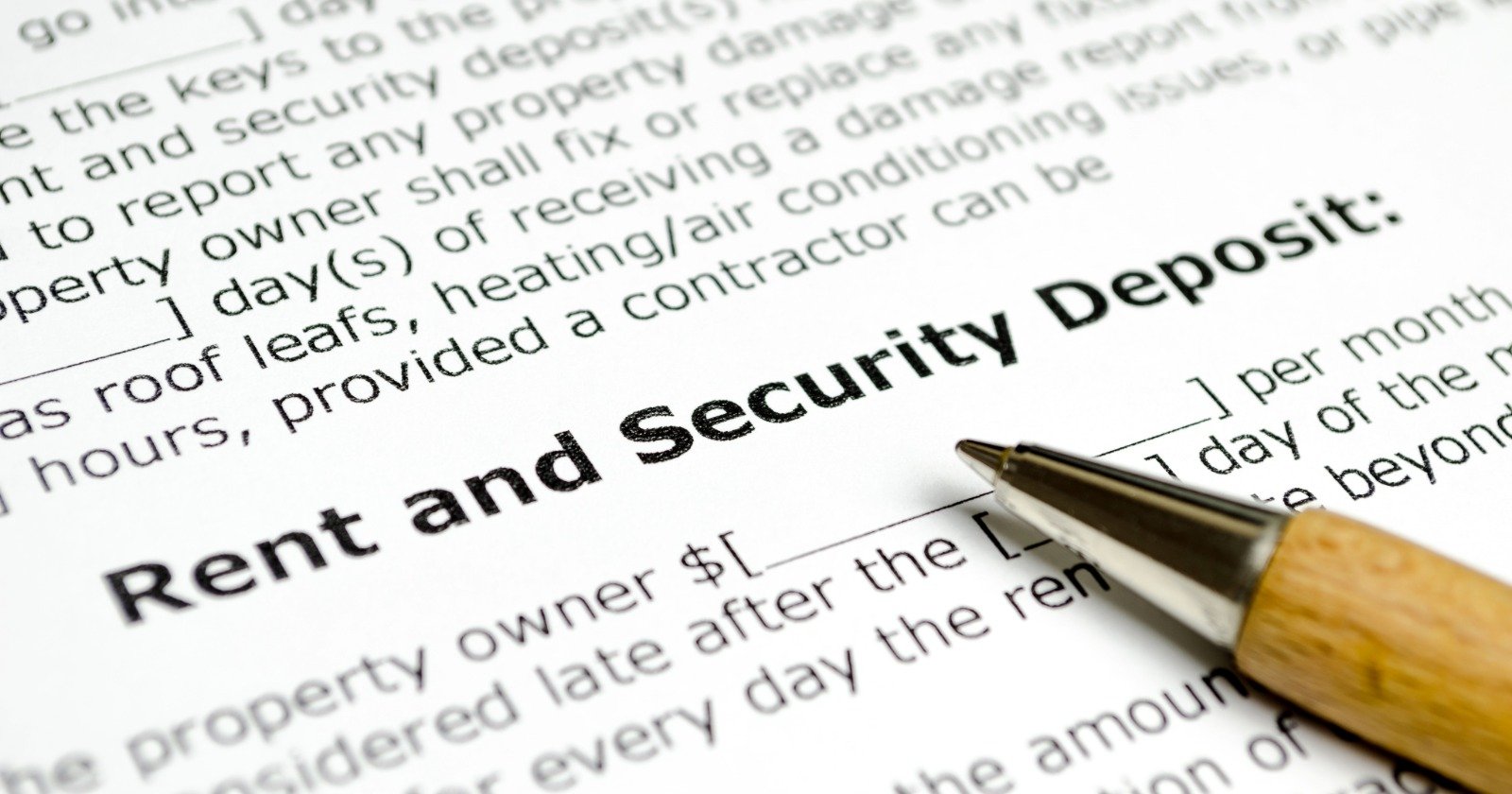
How to fight a security deposit deduction and actually get it back
A questionable deposit deduction isn't the end of it. The process to challenge one is short, cheap, and tilted more toward tenants…

How to value a rent concession, now that 2 in 5 listings come with one
Almost 40% of rentals now come with a free month or another deal. Here's the math that shows what a concession is really worth, an…

What you need to earn to afford rent
Flip the affordability rule around and it answers the question renters actually ask: my rent is X, what do I need to make? Here's…

Jennifer Han is the editor in chief of RentDataNow, covering rent trends, housing costs, and more. She was a real-estate agent before she moved to writing about the market.
Comments (0)
Sign in to join the discussion
No comments yet. Be the first to share your thoughts.