

Philadelphia Rent Prices in 2026: What the Data Actually Shows
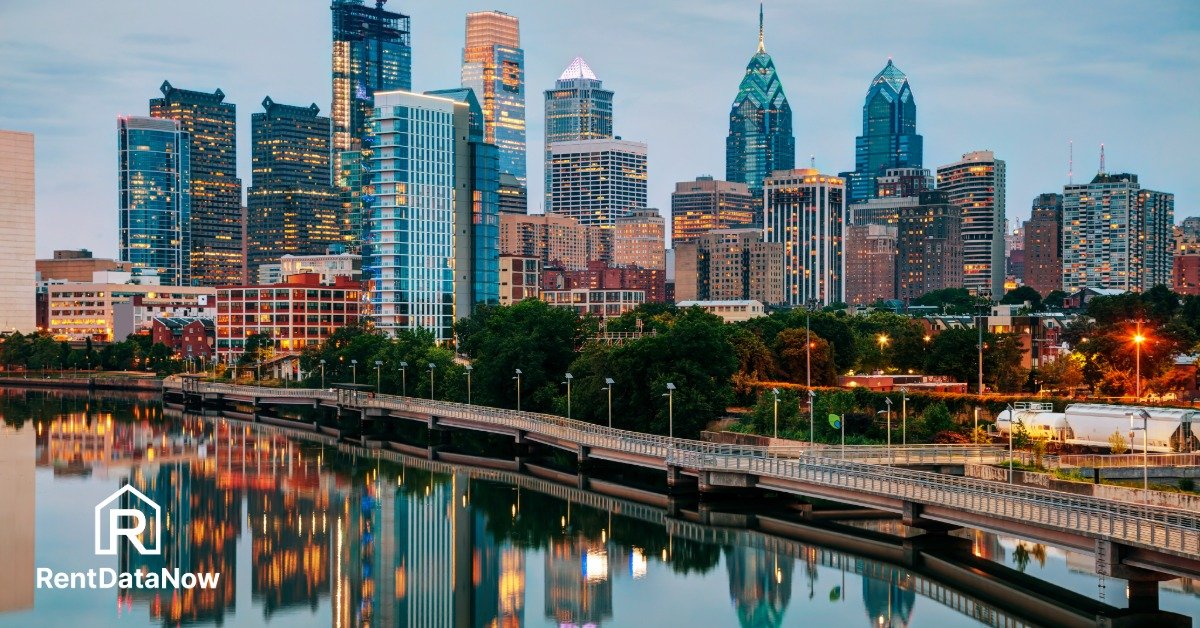
Philadelphia has a split personality as a rental market. The city proper sits 8 percent below the national median at $1,734 a month according to RentDataNow's March 2026 data, which sounds affordable until you look at the affordability ratio. With a median household income of $61,953, rent in Philly consumes about 34 percent of gross income for the typical household. That's above the 30 percent cost-burden threshold. The price looks manageable, but the income doesn't stretch as far as it does in cities like Indianapolis or Columbus at similar rent levels.
Here's what the data actually shows neighborhood by neighborhood.
The Baseline Numbers
Studios in Philadelphia average $1,374 a month. One-bedrooms run $1,545. Two-bedrooms come in around $1,745 to $1,804. Three-bedrooms average well above $2,000. Rents are up 2.5 percent year over year and rising monthly as of the latest data, which puts Philadelphia in a different category from the Sun Belt cities that have been correcting. Philadelphia never had the supply surge that drove Austin and Denver rents down. Construction is constrained, vacancy rates are sitting between 4 and 7 percent, and demand from students, healthcare workers, and young professionals is steady.
The Neighborhood Divide Is Enormous
The gap between Philadelphia's cheapest and most expensive neighborhoods is one of the widest of any major East Coast city. Hartranft in North Philly averages $705 for a one-bedroom. Society Hill in the historic district runs $3,437 for all unit types. That's a $2,700 monthly spread within the same city limits.
On the affordable end, Southwest Philadelphia, Fern Rock, Cobbs Creek, Tioga-Nicetown, and West Oak Lane all have one-bedroom medians under $1,200. These neighborhoods offer genuine value but are further from Center City employment hubs and have varying SEPTA access. They're practical choices for renters whose jobs are in the suburbs or who work remotely.
In the middle tier, Brewerytown has emerged as one of the most interesting value plays in the city. A one-bedroom runs about $1,282, which is below the city median despite the neighborhood sitting just north of Fairmount and the Philadelphia Museum of Art. It has direct bus access to Center City and has seen consistent investment over the past five years without the rent spike that followed similar development in Northern Liberties. Spring Garden at $1,192 for a one-bedroom is similar. Both offer intown character at outer-neighborhood prices.
South Philadelphia, which covers the Italian Market, Passyunk, and East Passyunk Avenue, averages $2,220 overall but is down 5.9 percent year over year, the sharpest decline in the city. That's a meaningful softening for one of Philly's more desirable intown corridors and creates a window for renters willing to negotiate.
The Premium Tier
Rittenhouse Square averages $2,544 overall, with one-bedrooms at $2,329. Center City East and Washington Square West are similarly priced. Logan Square one-bedrooms average $4,093, making it the most expensive neighborhood in the city by a wide margin, driven almost entirely by new luxury high-rise inventory that skews the average upward.
University City is expensive at $2,475 for a one-bedroom, which reflects the Penn and Drexel demand that keeps that market permanently tight regardless of broader city trends. Fishtown and Northern Liberties, which were the fastest-rising neighborhoods in the city through 2022, have stabilized but remain well above $2,000 for a one-bedroom in newer buildings.
The Suburbs Offer a Different Calculation
The Philadelphia suburbs deserve serious consideration for renters whose jobs are accessible by SEPTA Regional Rail. Norristown on the Manayunk/Norristown line averages around $1,297 for a two-bedroom, roughly $500 below comparable Center City units. Upper Darby on the Market-Frankford line offers similar value at less than 20 minutes from Center City by rail.
Ardmore and Conshohocken on the Main Line run higher but still come in below comparable intown Philadelphia units. King of Prussia is the most expensive suburban option in the metro at around $2,207 average, reflecting the concentration of corporate campuses and newer apartment stock.
What's Driving the Market in 2026
Philadelphia's rental market isn't cooling the way Sun Belt cities are. Two factors keep demand steady: a large healthcare and university employment base that doesn't shrink with economic cycles, and homeownership costs that remain prohibitive for most renters. The median home price in Philadelphia is around $250,000, one of the lowest among major East Coast cities, but even at that price point mortgage payments plus taxes and insurance run above $2,000 a month at current rates, well above median rent for most neighborhoods.
That dynamic keeps renters in the rental market longer than they'd prefer and sustains demand even in a slow economy. Vacancy rates between 4 and 7 percent give landlords enough pricing power to push rents modestly higher each year without triggering the kind of concession environment seen in Austin or Denver.
The Honest Affordability Picture
Philadelphia looks affordable on paper at $1,734 median rent. The reality is that local incomes don't stretch as far as they do in Texas or Ohio cities at similar rent levels. At 34 percent of median household income going to rent, a meaningful share of Philadelphia renters are already cost-burdened, and rents are moving in the wrong direction.
The best value in the city right now is in South Philly, which has softened 6 percent year over year, and in mid-tier neighborhoods like Brewerytown and Spring Garden where rents haven't caught up to the lifestyle premium yet. For renters willing to use SEPTA, the suburban options along Regional Rail lines consistently offer 20 to 30 percent savings over comparable Center City units.
Check current Philadelphia rent data by neighborhood at RentDataNow, including demographics, median income, and housing tenure breakdowns for the city and surrounding suburbs.
Frequently Asked Questions
Is Philadelphia actually affordable compared to other major cities?
On paper, yes. At around $1,734 median rent, it’s cheaper than most East Coast cities. The catch is income, Philly renters are spending about 34% of their income on rent, which puts a lot of people in cost-burden territory even though the headline number looks reasonable.
Why does Philadelphia feel less affordable than the rent numbers suggest?
Because local incomes haven’t kept pace with housing costs. Two cities can have the same rent, but if one has higher wages, it feels easier to live there. In Philly, that gap shows up quickly once you factor in taxes, utilities, and everyday costs.
Which Philadelphia neighborhoods offer the best value right now?
Brewerytown and Spring Garden stand out because they sit close to Center City but haven’t fully priced in their location yet. You’re getting access and livability without paying Rittenhouse-level rent. That gap doesn’t usually stay open forever.
Related Rent Guides
How to Break a Lease Without Losing Your Deposit
Breaking a lease does not have to cost you your security deposit. Here is how to read your options, use your legal protections, an…

Why Every Rent Report Gives a Different Number, and Which One to Trust
One city, five rent reports, five different numbers. Here is what each major source actually measures, why they disagree, and whic…

Average Rent by State: From $1,206 in Iowa to $3,612 in New York
Rent varies nearly threefold across the US. Here is the average rent in all 50 states, from the cheapest to the most expensive, wi…

Jennifer Han is the editor in chief of RentDataNow, covering rent trends, housing costs, and more. She was a real-estate agent before she moved to writing about the market.
Comments (0)
Sign in to join the discussion
No comments yet. Be the first to share your thoughts.