

Best Cities for Indian-Americans to Rent in 2026

The Indian-American community is one of the most geographically concentrated of any ethnic group in the United States, clustered around a handful of tech corridors, university towns, and suburban rings where community infrastructure, temple networks, Indian grocery stores, and professional networks have built up over decades. Where you rent as an Indian-American isn't just a financial decision as it's a decision about access to community, cultural continuity, and often proximity to the specific industries that employ a large share of the community.
This post covers the major Indian-American rental markets: what rents look like, what the income base supports, and which cities offer the best combination of community density and financial sustainability. All figures from RentDataNow, April 2026.
The Bay Area: Highest Indian-American Density, Highest Prices
The Bay Area has the largest concentration of Indian-Americans outside of New Jersey, anchored by the tech industry. The trade-off is brutal: these are among the most expensive rental markets in the country.
Milpitas is 72.1% Asian, the highest of any city in this dataset, with median rent at $3,463 and one-bedrooms at $3,020. Rents grew 9.2% year over year. Cupertino is 70.9% Asian with median rent at $4,086, one-bedrooms $3,880. Fremont at 63.8% Asian is $3,146 median, one-bedrooms $2,760, up 7.6%.
The income base in these cities is extraordinary: Cupertino's median household income is $234,707, Fremont's is $181,506, Milpitas $178,798. The ratio math works if your salary matches. A tech worker at Google or Apple earning $180,000 in Cupertino paying $3,880 for a one-bedroom is at 26% of gross. The same apartment on a $90,000 salary is 52% and untenable. These cities work for Indian-American renters who are in senior tech roles. They don't work for everyone else.
New Jersey: Edison and Iselin
The Edison and Iselin corridor in Middlesex County, New Jersey has the highest density Indian-American community on the East Coast, built over 50 years into one of the most self-contained South Asian communities in the world. Oak Tree Road in Edison and Iselin has a commercial density of Indian restaurants, grocery stores, jewelry shops, temples, and services that rivals anything in the Bay Area.
Iselin's median rent is $3,072, one-bedrooms $1,960, two-bedrooms $2,470, with a 34% rent-to-income ratio against a $109,500 median income. The 28.3% year-over-year growth is a significant red flag, driven partly by thin data and partly by genuine demand pressure from the New York metro spillover. Rents were $2,395 in April 2025 and jumped to $3,072 in April 2026. Anyone signing in this market should negotiate hard and consider a shorter lease term given that trajectory.
Jersey City at $3,117, one-bedrooms $2,250, is a significant Indian-American community with strong transit access to Manhattan. The 38% ratio against a $97,710 median income is elevated, but for Indian-American professionals who need New York access with a lower price point than Manhattan, it's the most practical option.
The Triangle: Morrisville and Cary
The Research Triangle in North Carolina has developed one of the fastest-growing Indian-American communities in the country over the past decade, driven by pharmaceutical, biotech, and tech hiring in and around RTP. The rent and income numbers are the best of any major Indian-American corridor in the country.
Morrisville is 41.1% Asian with a median rent of $1,682, one-bedrooms $1,382, two-bedrooms $1,542. The median household income is $125,396 and the rent-to-income ratio is 16%, the best in this dataset. Rents grew 6.9% year over year from a low 2025 base. For Indian-American renters who want community density, strong schools, and financial margin in the same place, Morrisville is the most compelling market in the country right now.
Cary is 20.4% Asian with median rent $1,716, one-bedrooms $1,755, two-bedrooms $1,943, and a 15% ratio against $134,905. Cary ISD is one of the most consistently rated school districts in North Carolina. For families specifically, the combination of Cary's school quality and Morrisville's community density, they're adjacent cities, is a strong argument for the entire Research Triangle corridor.
Dallas: Plano, Frisco, Sugar Land
The Dallas-Fort Worth metro has seen significant Indian-American in-migration over the past decade, drawn by the tech and financial services corridor and no state income tax.
Plano is 23.7% Asian with median rent $1,696, one-bedrooms $1,344, down 1.6% year over year, and an 18% ratio against $112,253. Plano has a well-established Indian-American community centered around the Millennium Park area and Coit Road corridor, with temples, grocery stores, and restaurants that have been there long enough to feel settled rather than emerging. The rent decline gives renters entering now real leverage.
Frisco at 28.1% Asian and $1,772 median, 14% ratio against $150,212, is the fastest-growing part of the DFW Indian-American corridor. Irving at 23.2% Asian and $1,583 median is the most affordable in the DFW group, one-bedrooms $1,254, 23% ratio.
Sugar Land, southwest of Houston, is 38.7% Asian with median rent $1,957, one-bedrooms $1,793, essentially flat at plus 0.2%. The $136,217 median household income and 17% ratio make Sugar Land one of the most financially stable Indian-American communities in Texas. It has a significant South Asian commercial corridor along Highway 6 and one of the most established temple and cultural organization networks in Texas outside of Houston proper.
Seattle: Redmond and Bellevue
Redmond is 40.3% Asian with median rent $2,458, one-bedrooms $1,936, 18% ratio against $162,560. Bellevue at 42.8% Asian is $2,688 median, one-bedrooms $2,120, 19% ratio against $165,576. Both cities are Microsoft and Amazon corridor suburbs with among the highest Indian-American population densities in the Pacific Northwest. The income base justifies the rent for tech workers. Rents at Redmond grew 5.3% and Bellevue 3.5% year over year.
Atlanta: Johns Creek, Alpharetta, Suwanee
The north Atlanta suburbs have seen significant Indian-American in-migration alongside the Korean community, primarily driven by tech, healthcare, and finance hiring along the GA-400 corridor.
Johns Creek is 29.5% Asian with median rent $2,241, one-bedrooms $2,130, rents down 0.4%, 17% ratio against $160,093. Alpharetta at 20.4% Asian is $2,049 median, essentially flat, 17% ratio against $147,612. Both have Indian temples, grocery stores, and the beginning of a restaurant corridor that is still growing. The Forsyth County and Gwinnett County school districts serving these areas are among the strongest in Georgia.
The Midwest: Troy, Carmel, Naperville, Schaumburg
Troy, Michigan is 27.8% Asian with median rent $1,777, rents down 4.9%, 18% ratio against $120,045. Troy has one of the most established Indian-American communities in the Midwest, with a significant Hindu temple presence and Indian commercial corridor along Big Beaver Road. The 4.9% rent decline makes it an active buyer's market for renters right now.
Naperville at 22.5% Asian and $2,207 median, 17% ratio against $155,105, is the premier Indian-American suburb in the Chicago metro. Schaumburg at 23.9% Asian is $2,091 median, 26% ratio against $97,514, with a significant Gujarati community presence.
Carmel, Indiana at 11.7% Asian and $1,827 median, 15% ratio against $141,505, is the fastest-growing Indian-American community in the Midwest. The Indian population in Hamilton County has grown significantly over the past decade driven by Eli Lilly and the Indianapolis tech sector. It's newer as a community than Troy or Naperville but the financial fundamentals are exceptional.
Use the RentDataNow compare tool to run any two cities in this list side by side on rent, income, and ratio.
Frequently Asked Questions
Where do most Indian-Americans rent in the U.S.?
Indian-American renters are concentrated in a few major corridors, especially the Bay Area, New Jersey, the Research Triangle in North Carolina, Dallas-Fort Worth, Seattle suburbs, north Atlanta, and select Midwest suburbs like Troy, Naperville, and Carmel. These places tend to combine community density, temples, Indian grocery stores, and job markets that support higher rents.
Which city is best for Indian-American renters overall?
Morrisville, North Carolina stands out as the strongest all-around market in this set. It has a large Asian population, a median rent of $1,682, a strong median household income of $125,396, and the best rent-to-income ratio in the dataset at 16%, which makes it both community-rich and financially manageable.
Why is the Bay Area so popular with Indian-American renters?
The Bay Area has the highest Indian-American density outside New Jersey and is anchored by the tech industry. Cities like Milpitas, Cupertino, and Fremont offer strong community infrastructure and very high incomes, but rents are among the highest in the country, so the market works best for senior tech workers.
Related Rent Guides
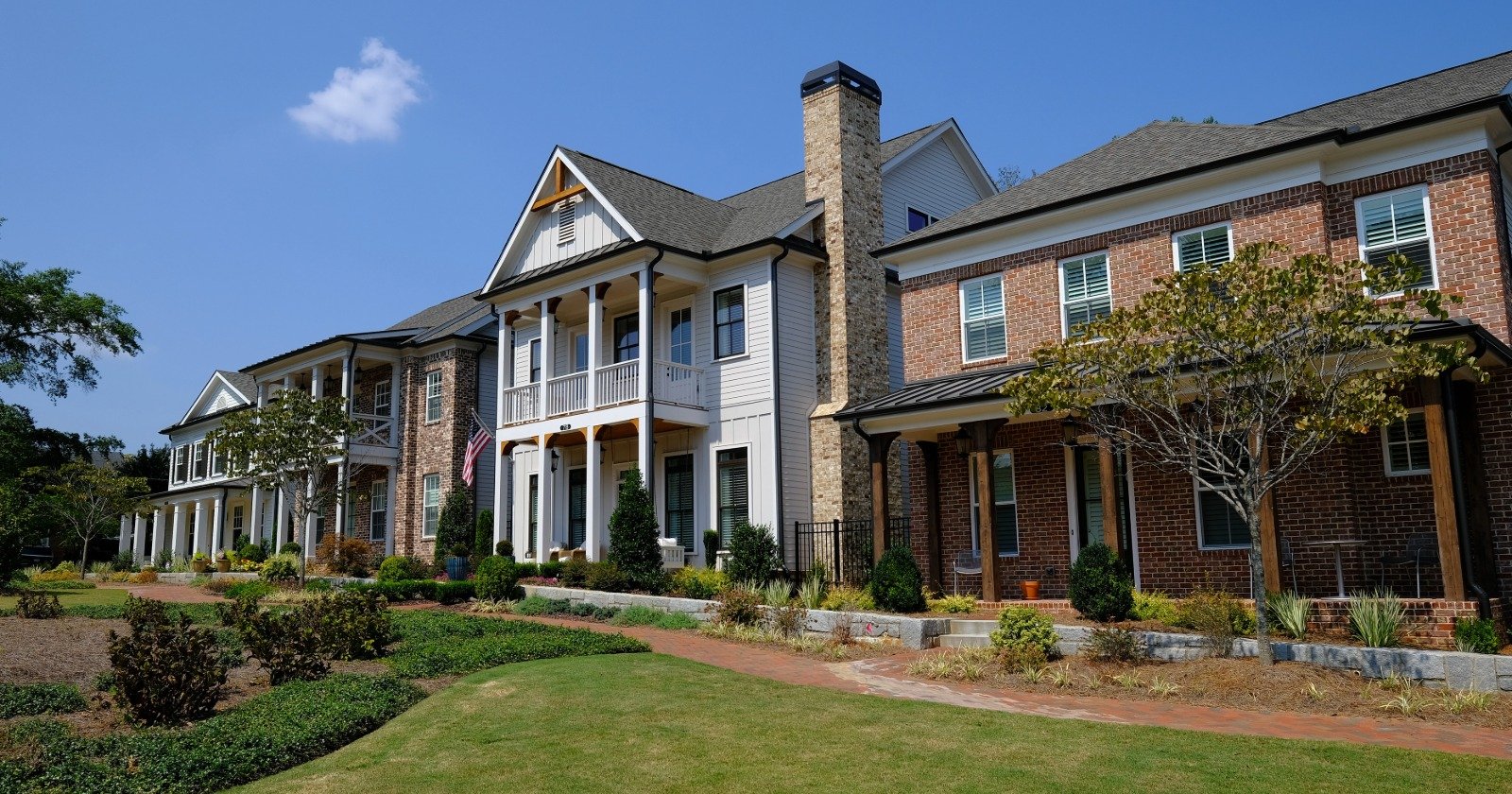
Johns Creek and Alpharetta anchor Atlanta's Indian community, and rent just jumped 14% in one
Atlanta's Indian community centers on the northern Fulton suburbs. One of them just posted the steepest rent jump in the metro, wh…
Frisco is now 18% Indian American, and Irving is the affordable way into the community
DFW's Indian community is one of the largest in the country, and it concentrates in a handful of suburbs. The rent difference betw…
Best Cities for Chinese-Americans to Rent in 2026
Chinese-American communities cluster in a few well-defined corridors, from the San Gabriel Valley to Silicon Valley to Plano. Rent…

Henry Jo is a housing analyst covering rent data, affordability, city comparisons, and much more. He started following rental data while apartment hunting in two cities at once, and he lives in the Pacific Northwest.
Comments (0)
Sign in to join the discussion
No comments yet. Be the first to share your thoughts.