

The Catch With Cleveland Ohio's Cheap Rent
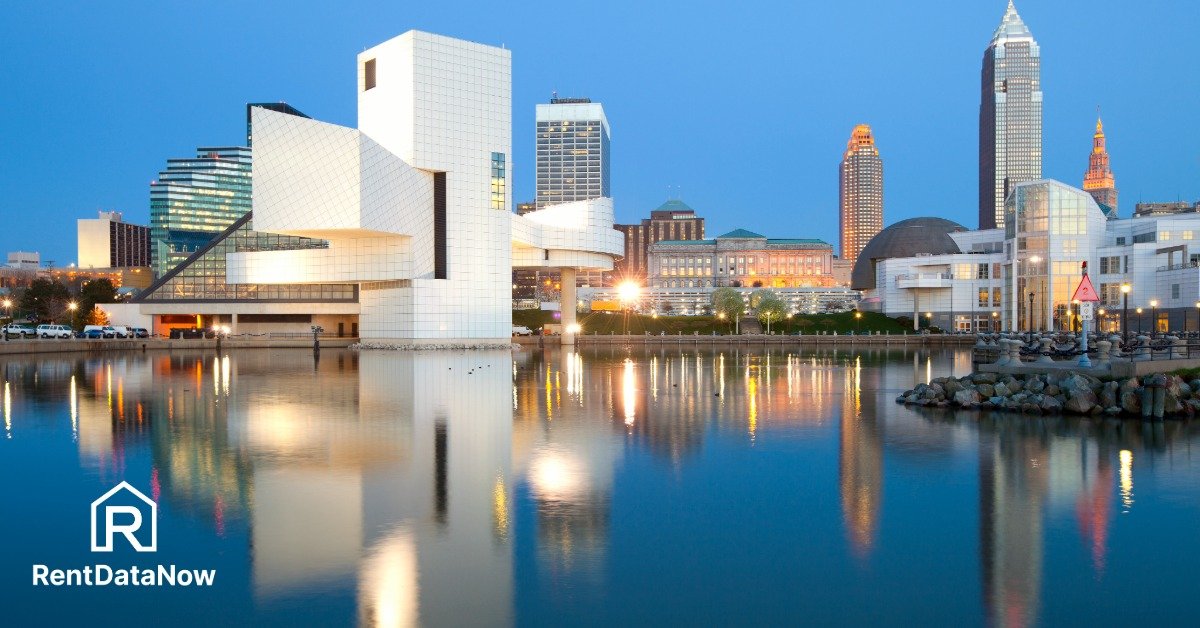
Cleveland's median rent is $1,388 a month. A one-bedroom averages $985. By any national comparison, those numbers look like relief: roughly a third of what New York charges, half of what Los Angeles runs, $600 less than Chicago. Affordable housing advocates and cost-of-living calculators tend to cite Cleveland as an example of what's still possible in the Rust Belt. The problem is that the number that matters most isn't the rent. It's the income sitting underneath it.
Cleveland's median household income is $40,801 a year. At $1,388 a month, rent consumes 41% of what the typical Cleveland household earns before taxes. That's worse than Los Angeles at 40%. It's worse than Dallas at 27%, Phoenix at 23%, and Austin at 20%. The rent looks cheap until you see what people are actually earning to pay it.
The Math That Changes Everything
The standard affordability threshold is 30% of gross income. To afford Cleveland's median rent of $1,388 a month at 30%, you'd need to earn $55,520 a year. The median Cleveland household earns $40,801. That's a $14,719 annual gap between what the typical renter earns and what they'd need to earn to be considered financially stable by the most basic housing standard.
In practical terms: a renter earning the Cleveland median and paying the Cleveland median rent has roughly $1,992 left per month after rent, before taxes. From that they cover utilities, food, transportation, healthcare, and everything else. There isn't much margin. A car repair, a medical bill, or a month of reduced hours can destabilize a household budget that has no slack built in.
This is what housing researchers mean when they distinguish between cheap rent and affordable rent. Affordable means accessible relative to what people earn. Cheap just means the dollar amount is low. Cleveland has cheap rent. It does not have affordable rent for a significant share of its population.
Five Years Made It Worse
The five-year picture on RentDataNow's Cleveland page makes the affordability trajectory clear. In 2021, the median rent was $1,005 and the median household income was $33,678. Rent-to-income was already elevated even then. Between 2021 and 2026, rent climbed 38.1% while income grew 21.2%. Rent outpaced income by 16.9 percentage points over five years.
That gap matters because it compounds. A renter who was already spending 35% of income on rent in 2021 is now spending 41%. They didn't move to a more expensive city. They didn't upgrade their apartment. Their rent just grew faster than their paycheck, and five years of that drift has a real effect on financial stability. Cleveland's population fell 2.3% over the same period, from 374,861 to 366,097. Some of that outmigration is likely renters who did the math and left.
The year-over-year trend isn't improving either. Cleveland rents grew 7.51% in the twelve months through April 2026, one of the steeper single-year increases in the dataset. Month over month, rents rose 3.27% in March alone.
The Suburbs Don't Fully Solve It
The Cleveland metro has cheaper options, but the income picture follows renters into the suburbs.
East Cleveland is the starkest case: median rent of $832 a month, the lowest of any city in the immediate metro, with one-bedrooms averaging $830. Rents fell 4.8% year over year. On paper that looks like a bargain. The median household income in East Cleveland is $22,116, which produces a 45% rent-to-income ratio. At $832 a month, rent is still consuming nearly half of what the typical household earns. The rent is lower. The wages are lower by a wider margin.
Lorain runs $1,105 a month with one-bedrooms at $880 and a 27% rent-to-income ratio against a $48,685 median income. Akron sits at $1,123 a month with a 28% ratio against $48,076 in median income. Both cities offer meaningfully better ratios than Cleveland proper, though rents in Lorain grew 7.7% year over year, suggesting the affordability advantage is eroding.
Lakewood is the best-performing suburb on the ratio at 24%, with a $1,407 median rent against a $68,954 median household income. One-bedrooms average $1,030. Lakewood directly borders Cleveland on the west side, has a walkable commercial strip along Detroit Avenue, and the income base reflects a different economic profile from the city proper. Rents there grew 7.3% year over year, which is worth watching.
Parma comes in at 25%, median rent $1,437, income $69,295, one-bedrooms at $1,045, and nearly flat year over year at minus 0.2%. For renters who want a suburban environment with better income-to-rent alignment, Parma is the most financially stable option in the immediate metro right now.
Who This Affects Most
Cleveland's 41% citywide rent-to-income ratio is an average. The distribution underneath it is significantly worse for lower-income households. A renter earning $30,000 a year in Cleveland and paying $1,200 a month in rent, which is below median, is already at 48% of gross income. The census definition of severely cost-burdened is 50% or more. A significant portion of Cleveland renters are at or near that threshold, and the five-year rent trajectory has pushed more households into that category with each passing year.
The renter share of Cleveland's population has held nearly steady at around 58%, meaning the city remains predominantly a renter city. The households absorbing this ratio aren't a small subset. They're the majority of the people who live there.
What Cheap Rent Actually Buys You
There are renters for whom Cleveland makes financial sense. Someone relocating from a coastal market with a remote job paying $80,000 or more has a rent-to-income ratio well under 20% at Cleveland's price levels. That renter is getting genuine value. The city's cost structure works well for people whose income is set by a market other than Cleveland's local economy.
For renters whose income is tied to Cleveland's labor market, the math is harder. The city's economic base, anchored by healthcare, higher education, and legacy manufacturing, doesn't generate the wage growth that would align with the rent trajectory of the past five years. Until either rents stabilize or wages catch up meaningfully, the gap between what Cleveland rent costs and what Cleveland wages produce will remain one of the more acute affordability problems in the Midwest.
The full income and rent breakdown, including the five-year trend, is on the RentDataNow Cleveland page. Use the compare tool to run Cleveland against any other city you're weighing.
Frequently Asked Questions
Is Cleveland an affordable city for renters in 2026?
Not for many residents. Despite lower rents, the rent-to-income ratio is about 41%, above affordability standards.
Why does Cleveland feel expensive despite low rent prices?
Because local incomes are relatively low, making even modest rent levels a large percentage of earnings.
What income do you need to afford rent in Cleveland?
About $55,500 per year to stay within the standard 30% affordability threshold.
Related Rent Guides

Cleveland was Affordable until Outsiders with Bigger Budgets Moved In. Locals are Being Priced Out.
Cleveland rent rose 50.8% since January 2020 against a national 33.3%, while local income grew 32%. The cheapest Rust Belt cities…
Best Cities To Rent With a $1,500 a Month Budget
A $1,500 monthly rent budget puts you in a different conversation depending on where you're looking. In San Francisco it doesn't g…
How to Break a Lease Without Losing Your Deposit
Breaking a lease does not have to cost you your security deposit. Here is how to read your options, use your legal protections, an…

Jennifer Han is the editor in chief of RentDataNow, covering rent trends, housing costs, and more. She was a real-estate agent before she moved to writing about the market.
Comments (0)
Sign in to join the discussion
No comments yet. Be the first to share your thoughts.