

Washington Landlords Can Raise Rent Up to 10% in 2027 Under the State's Rent Cap
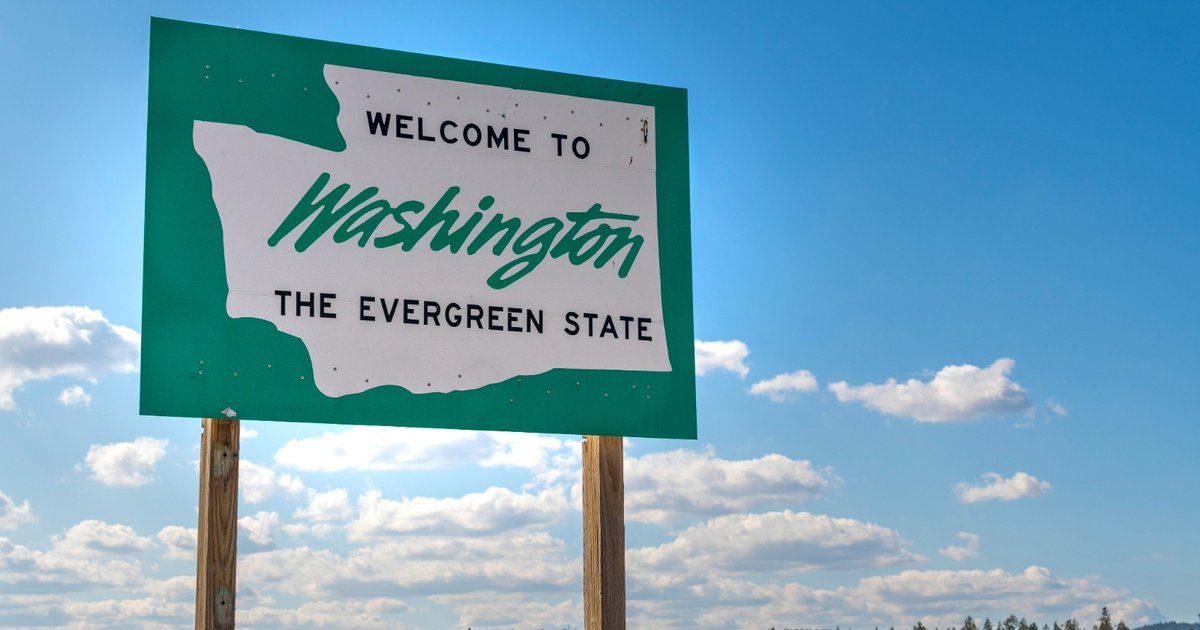
Landlords across Washington will be allowed to raise rents by as much as 10% next year, the ceiling of what the state's new rent law permits. The Washington State Department of Commerce announced the 2027 cap on Wednesday, a figure driven up by the region's stubbornly high inflation.
The limit comes out of a law passed last year that holds annual rent increases at many properties to 7% plus inflation, up to a hard maximum of 10%. This year's cap landed just under that ceiling at 9.7%; for 2027, rising prices pushed it the rest of the way to the 10% cap.
How the 10% cap works
The formula is 7% plus the local rate of inflation, and the result is capped at 10% no matter how high inflation climbs. In the Seattle area, prices rose 4.5% in June, faster than the nation as a whole, which is enough to send the combined figure past the ceiling. So while the underlying math would allow more, the law holds the 2027 increase to 10%.
Lawmakers in Washington passed the limits after years of debate and testimony from tenants squeezed by housing costs. To avoid discouraging new apartment construction, they wrote in a carve-out for newer buildings, which are not subject to the cap.
What 10% looks like in Seattle
In Seattle, where RentDataNow tracks a typical rent of about $2,196 a month, a 10% increase adds roughly $220, pushing the same unit to around $2,416, an extra $2,640 over a year.
In Tacoma, a typical rent near $1,781 could rise about $178 under a full 10% increase, and in Spokane, where rent runs closer to $1,498, the cap allows roughly $150 more a month. The percentage is the same statewide, but the cap is a ceiling, not a mandate: nothing requires a landlord to raise rent by the full amount.
Which rentals are exempt
The cap does not cover every rental. It exempts units built in the last 12 years, subsidized affordable housing, and certain rentals where the owner lives on-site. It also does not apply between tenants: once one renter moves out, a landlord can reset the rent to whatever the market will bear before the next tenant moves in.
Manufactured housing is treated separately and more strictly. For residents of manufactured home communities, rent increases cannot top 5% a year, regardless of inflation.
How the cap is enforced
Enforcement falls first on renters. A tenant who believes their landlord has exceeded the cap must start with a written correction request to the landlord, and only then can escalate to a complaint with the Washington state attorney general.
The early track record has been light on penalties. In the law's first year, the state collected no penalties from landlords who violated it, the Washington State Standard reported this spring. The attorney general settled some cases, but landlords generally avoided penalties by canceling the illegal increases or refunding tenants rather than paying fines.
For renters weighing a move or a lease renewal, the cap sets a predictable ceiling on what a legal increase can be, but only for covered units. To see how rents are actually trending where you live, browse the full Washington rent data by city and ZIP code.
Sources
The Seattle Times, "WA announces cap on rent hikes for 2027"
Washington State Department of Commerce, 2027 annual rent-increase cap announcement
Washington State Standard, reporting on first-year enforcement of the rent law
RentDataNow city and state rent data (Zillow Observed Rent Index)
Frequently Asked Questions
How much can Washington landlords raise rent in 2027?
Up to 10%. Washington's rent law caps annual increases at 7% plus inflation, with a hard maximum of 10%. High Seattle-area inflation pushed the 2027 cap to that 10% ceiling, up from 9.7% for the prior year.
Which rentals are exempt from Washington's rent cap?
The cap does not apply to buildings constructed in the last 12 years, subsidized affordable housing, or certain rentals where the owner lives on-site. It also does not apply between tenants, so rent can be reset when a unit turns over. Manufactured housing has a separate 5% annual limit.
What can a renter do if a landlord exceeds the cap?
A tenant must first send the landlord a written correction request. If that does not resolve it, they can file a complaint with the Washington state attorney general. In the law's first year the state levied no penalties, though the attorney general settled some cases when landlords canceled increases or issued refunds.
Related Rent Guides

The cheapest month to sign a lease in 50 big cities, and how much waiting can save
Rent follows a seasonal pattern almost everywhere: lowest in winter, highest in summer. In New York the gap between the cheapest a…
More Americans earning $1 million a year are choosing to rent
Households earning at least $1 million a year that rent grew 229% to about 18,400, RentCafe found. In Seattle, San Jose, and Los A…
Heat season has started. Here's how warm your landlord has to keep your apartment
Heat season is underway in much of the country. In New York City, landlords must keep apartments at 68 degrees during the day when…

Jennifer Han is the editor in chief of RentDataNow, covering rent trends, housing costs, and more. She was a real-estate agent before she moved to writing about the market.
Comments (0)
Sign in to join the discussion
No comments yet. Be the first to share your thoughts.