

What Renters Insurance Actually Covers and Why You Need It

About 45 percent of renters in the U.S. don't have renters insurance. The main reasons are thinking the landlord's policy covers them, or assuming it costs more than it does. Both assumptions are wrong, and either one can cost you thousands of dollars when something goes sideways.
Here's what renters insurance actually covers, what it doesn't, and why $14 to $24 a month is one of the better financial decisions a renter can make.
Your Landlord's Insurance Does Not Cover You
This is the one thing most renters get wrong. Your landlord has insurance on the building. That policy covers the structure, the roof, the walls, the appliances that belong to the landlord. It does not cover your laptop, your furniture, your clothes, your bike, or anything else you own. If there's a fire or a break-in, your landlord's insurer has no obligation to pay you a dime.
Renters insurance exists specifically to fill that gap. It covers your stuff, not theirs.
What a Standard Policy Actually Covers
A standard renters insurance policy has three main components.
Personal property coverage pays to repair or replace your belongings if they're damaged or stolen. This includes furniture, electronics, clothing, kitchen equipment, and most other things you own. Coverage applies not just inside your apartment but in some cases outside it too. If your laptop is stolen out of your car or your bike is taken from a public rack, many policies cover that.
The covered causes, called perils in insurance language, typically include fire, smoke, lightning, theft, vandalism, water damage from a burst pipe, and a few others. What's notably not included in most standard policies: flooding from outside the building and earthquakes. Those require separate riders or separate policies.
Liability coverage protects you if someone is injured in your apartment and decides to sue, or if you accidentally damage someone else's property. Someone slips in your kitchen, your dog bites a guest, you accidentally leave a candle burning and cause damage to a neighboring unit. Liability coverage handles the legal costs and any settlement up to your policy limit, which is usually $100,000 to $300,000.
Loss of use coverage pays for temporary housing, meals, and other living expenses if your unit becomes uninhabitable after a covered event. If a fire forces you out for two weeks, this is what covers your hotel bill and the extra food costs while you're displaced. Most policies set this at 20 to 30 percent of your personal property coverage limit.
What It Does Not Cover
A few things worth knowing upfront. Standard renters insurance does not cover flooding from weather events or storm surge. If you're in a flood-prone area, you'd need separate flood insurance through FEMA's National Flood Insurance Program or a private carrier. Earthquakes are also excluded from most standard policies and require a separate endorsement.
High-value items like jewelry, fine art, musical instruments, or expensive cameras often have per-item limits under a standard policy, usually $1,000 to $2,500. If you own something worth significantly more than that, you can add a scheduled personal property endorsement for additional coverage on specific items.
Your roommate's stuff is generally not covered under your policy unless they're listed on it. If you have roommates, they should each have their own policy or be added to yours.
How Much It Actually Costs
The national average cost of renters insurance is around $170 to $288 per year depending on coverage level, which works out to roughly $14 to $24 per month. The cheapest options start around $100 a year for basic coverage. Even at the higher end, you're talking about the cost of one dinner out per month to cover everything you own plus liability protection.
What you pay depends on where you live, your coverage limits, your deductible, and the insurer you choose. States with higher rates of natural disasters or property crime tend to have higher premiums. Mississippi and Louisiana are consistently among the most expensive states. Wyoming, North Dakota, and Wisconsin are among the cheapest.
The cheapest major insurer nationally is State Farm at around $196 a year on average. Getting a quote takes about five minutes online and many policies can be activated the same day.
Actual Cash Value vs. Replacement Cost
When comparing policies, pay attention to whether coverage is actual cash value or replacement cost. This distinction matters a lot when you file a claim.
Actual cash value pays what your item was worth at the time it was damaged or stolen, factoring in depreciation. A three-year-old laptop that cost $1,200 new might be worth $400 by the time it's stolen. That's what you'd get.
Replacement cost coverage pays what it actually costs to replace the item today with something comparable. That same laptop would get you close to the current purchase price of a similar model. Replacement cost policies cost a bit more but pay out significantly more when you need them.
When Your Landlord Requires It
More landlords are now requiring renters insurance as a lease condition, and that trend has accelerated. If your lease requires it, you need a policy before move-in. The good news is that most landlords just want to see proof of coverage, not a specific insurer, so you can shop around for the best rate.
Even if it's not required, it's worth having. A single theft, a kitchen fire, or a water damage claim from a burst pipe can easily run into thousands of dollars. At $14 to $24 a month, renters insurance is one of the few genuinely cheap insurance products that pays for itself on a single incident.
Looking for your next place to rent? Check median rent data for any city or ZIP at RentDataNow.
Related Rent Guides
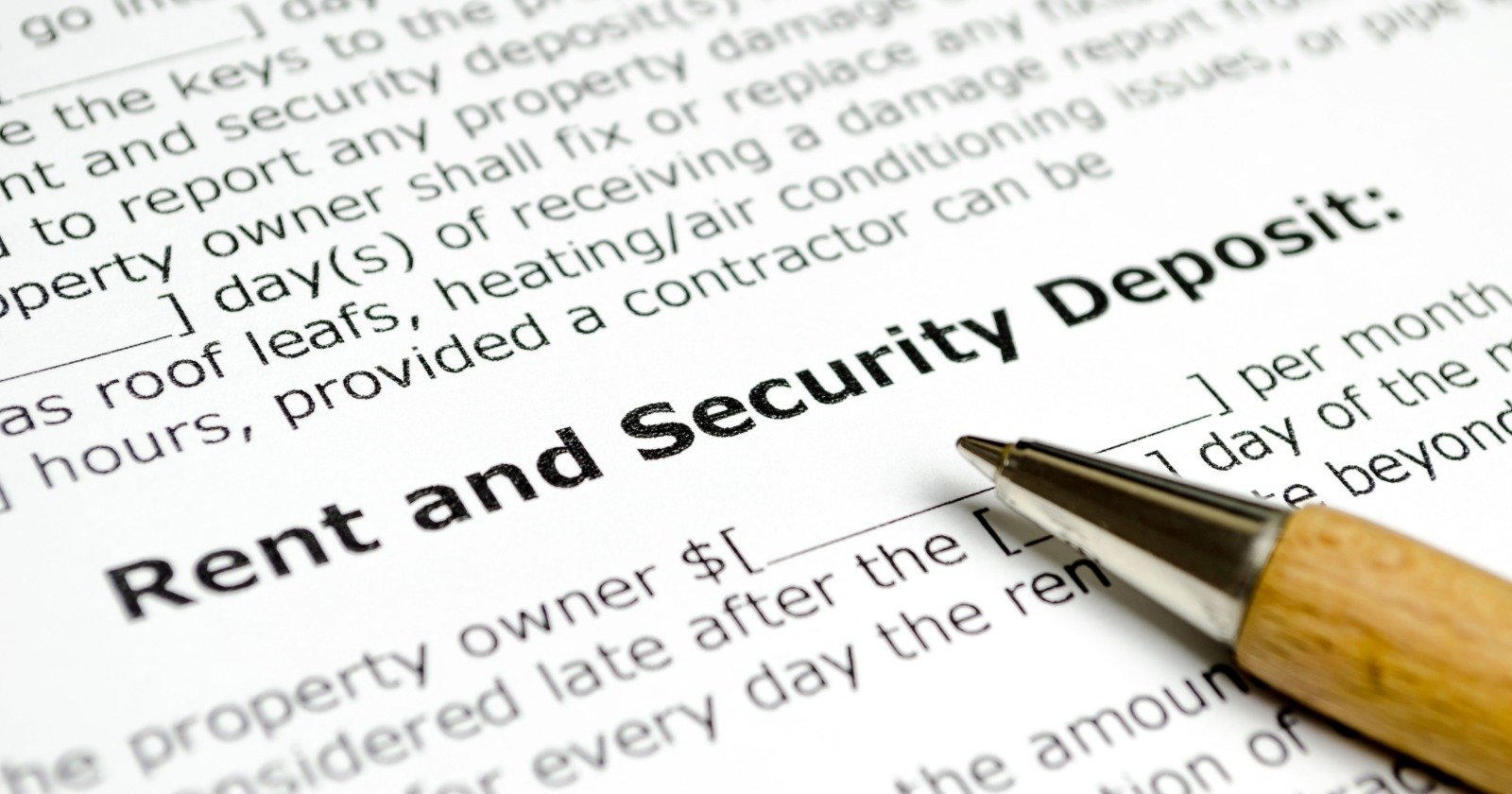
How to Break a Lease Without Losing Your Deposit
Breaking a lease does not have to cost you your security deposit. Here is how to read your options, use your legal protections, an…

Why Every Rent Report Gives a Different Number, and Which One to Trust
One city, five rent reports, five different numbers. Here is what each major source actually measures, why they disagree, and whic…

Average Rent by State: From $1,206 in Iowa to $3,612 in New York
Rent varies nearly threefold across the US. Here is the average rent in all 50 states, from the cheapest to the most expensive, wi…

Jennifer Han is the editor in chief of RentDataNow, covering rent trends, housing costs, and more. She was a real-estate agent before she moved to writing about the market.
Comments (0)
Sign in to join the discussion
No comments yet. Be the first to share your thoughts.