

Zillow settles FTC case over deal that pushed Redfin out of rental listings
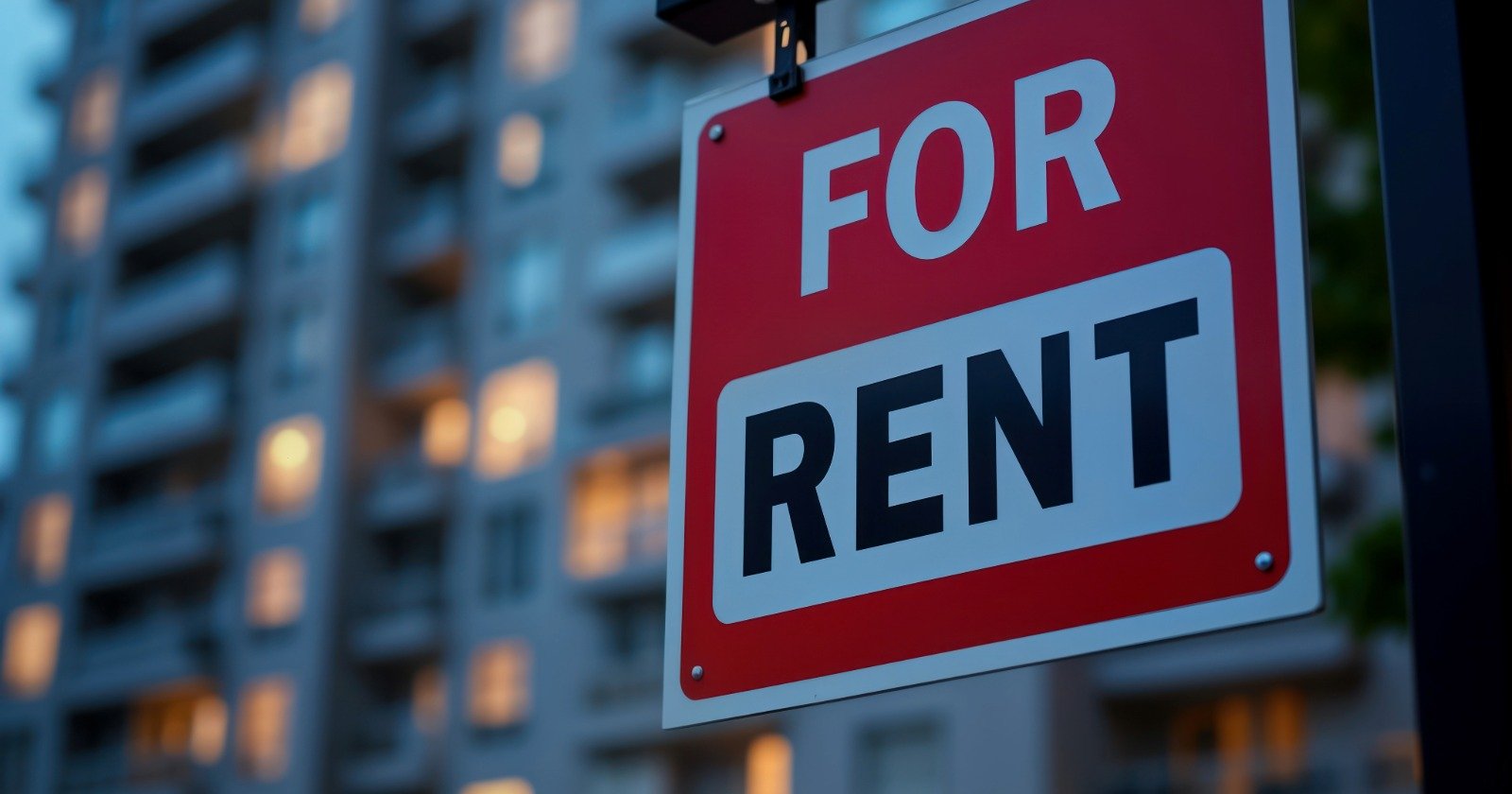
The Federal Trade Commission and five states settled with Zillow on Monday, hours before trial, over a deal that took a competitor out of the apartment listing business.
In February 2025 Zillow agreed to pay Redfin, owned by Rocket Companies, $100 million plus a fee for every renter who showed interest in a property. In exchange Redfin wound down its own rental listings, sent its customers to Zillow, and agreed to stay out of the business for up to nine years.
Before the deal, the two had been competing to list vacancies in buildings with more than 25 units. After it, Zillow's customers paid an average of 14.5% more per listing, according to an expert for the FTC and the states, and some property managers stopped buying online listings altogether.
Under the settlement Redfin restarts its rental advertising business within six months, though it can keep showing Zillow ads and maintain the partnership through at least 2030.
What it actually changes for renters
It's worth being precise here, because the 14.5% figure is going to get quoted as though rent went up 14.5%. It didn't, and it isn't close. That number is what landlords and property managers pay to advertise a unit, not what a tenant pays to live in one.
The renter-facing harm is quieter and shows up in the second detail: some property managers stopped buying listings. When advertising gets more expensive, the marginal listing doesn't get posted, and a unit that never appears on the site you're searching may as well not exist. That means fewer options in front of you, less ability to compare, and weaker footing when you negotiate.
Search friction has a real price even though it never appears on a lease, because a renter who sees six comparable units has leverage that a renter who sees two doesn't. That's the same reason we tell people to check comparable listings before signing and to know the red flags in a listing.
Whether any of this reached actual rents is a question nobody has answered, ourselves included. Advertising is a small line in a landlord's cost stack, and we have no way to isolate a listing-fee effect inside rent data. We'd rather say that plainly than imply a connection we can't measure.
Letitia James, New York's attorney general, framed the case around access, calling listing platforms "critical tools that New Yorkers rely on to find affordable homes." FTC Chair Andrew Ferguson called the outcome part of the administration's housing agenda. Zillow rentals executive Michael Sherman said the settlement "enables us to keep our energy on innovating for renters and property managers." Virginia, Arizona, Connecticut and Washington joined New York as plaintiffs.
More than 30% of Americans rent, which is why a fight over advertising fees between two websites turned into a case brought by the federal government and five states. Redfin has six months to get back in.
Sources
CNBC, Zillow settles FTC claims it paid Redfin to stop competing on listings (August 24, 2026), for the settlement terms, the 14.5% estimate and quotes
US Census Bureau, American Community Survey, for the share of American households that rent
RentDataNow rent data, anchored to the Zillow Observed Rent Index
Frequently Asked Questions
Did the Zillow and Redfin deal raise rent?
There is no evidence it raised rent directly. The 14.5% increase cited by the FTC applies to what landlords pay to advertise a unit, not what tenants pay to live in one. The clearer harm was fewer listings, since some property managers stopped advertising.
What did Zillow agree to in the FTC settlement?
Redfin will resume its rental advertising business within six months, restoring a competitor to the market. Redfin can continue displaying Zillow ads and the two companies may maintain their partnership through at least 2030.
Why does competition between listing sites matter to renters?
Because listings are how renters find and compare units. When advertising costs rise, some managers stop posting, so fewer vacancies appear where people search. A renter comparing six units has more negotiating leverage than one who can only find two.
Related Rent Guides
Augusta's zoning rewrite would ban short-term rentals in most neighborhoods, Masters week included
Augusta is rewriting its zoning code for the first time since 1963, and the draft would ban short-term rentals in regular neighbor…

Most UK first-time buyers now pay more on the mortgage than they did in rent. In the US, the jump is far bigger
Buying a first home used to lower the monthly bill for many UK renters. Now 56% pay more than they did in rent. In the US, a typic…

More Americans earning $1 million a year are choosing to rent
Households earning at least $1 million a year that rent grew 229% to about 18,400, RentCafe found. In Seattle, San Jose, and Los A…

Jennifer Han is the editor in chief of RentDataNow, covering rent trends, housing costs, and more. She was a real-estate agent before she moved to writing about the market.
Comments (0)
Sign in to join the discussion
No comments yet. Be the first to share your thoughts.