

Atlanta Rent Prices in 2026: What the Data Actually Shows
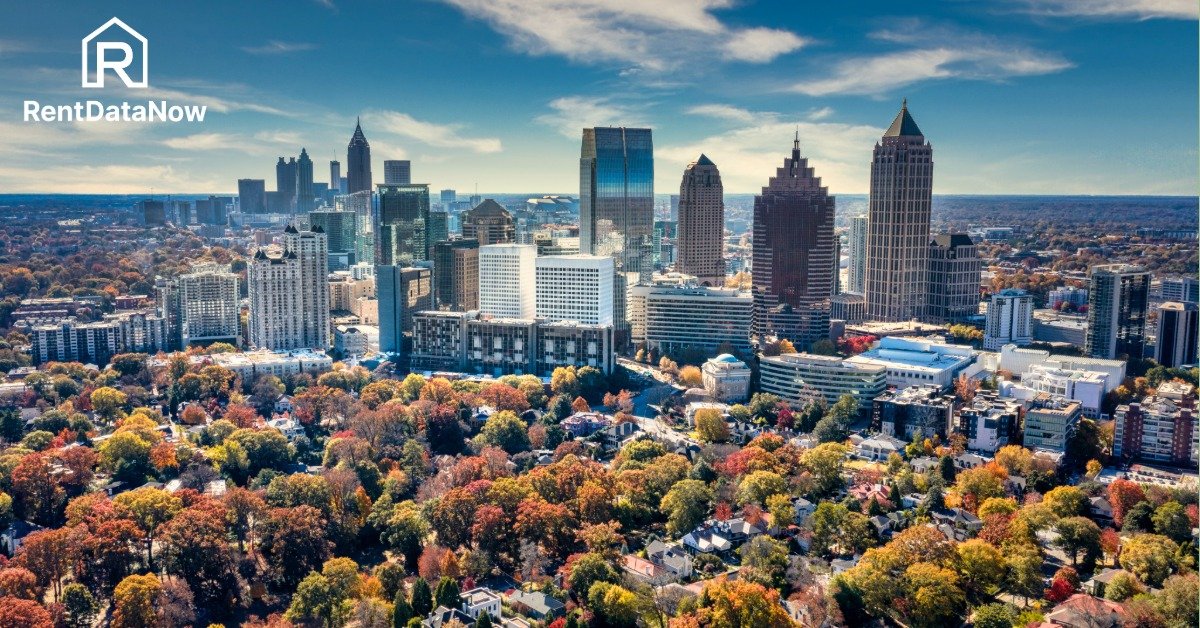
Atlanta rents have been moving in two directions at once depending on who you ask and what data you look at. The city-wide headline numbers show modest year-over-year changes, but the story behind those numbers is more interesting. Atlanta went through one of the largest rent run-ups and subsequent corrections of any major U.S. metro, and 2026 is shaping up to be a turning point in that cycle.
Here's what the data actually shows.
Where Atlanta Rents Sit Right Now
The median one-bedroom apartment in Atlanta is currently around $1,225 to $1,590 depending on the data source and whether you're looking at all units or just professionally managed apartment buildings. Two-bedrooms run roughly $1,450 to $1,862. The wide range reflects the enormous gap between Atlanta's most affordable neighborhoods and its priciest.
Over 54 percent of Atlanta households are renter-occupied, which makes it a majority-renter city. Demand is structural and persistent, not just a reflection of people who can't afford to buy. Atlanta is genuinely a city built for renters in terms of its housing mix.
The Peak, the Drop, and Where We Are Now
To understand 2026, you need to understand what happened in 2021 and 2022. Atlanta was one of the hottest pandemic migration destinations in the country, adding population at a rapid pace as remote workers relocated from higher-cost cities. Rents spiked accordingly, with the metro's average climbing from around $1,400 to over $1,800 at peak in mid-2022.
Then came the supply wave. Developers who had started projects during the boom began delivering units in 2023 and 2024, flooding the market with new inventory right as migration from other cities slowed. Atlanta recorded one of the largest rent declines from peak of any major U.S. metro, down roughly 11 to 13 percent from the 2022 high depending on the neighborhood and unit type.
That correction appears to have largely run its course. New construction deliveries are projected to drop to around 8,400 units in 2026, the slowest development pace in over a decade according to Marcus and Millichap, and vacancy rates have been compressing as demand catches up with existing supply. Rent growth is expected to turn positive on a year-over-year basis by mid-2026 after two years of declines.
The Neighborhood Divide Is Real
Atlanta's rental market has never been one number. The gap between the city's most affordable and most expensive neighborhoods is among the widest of any major Southern metro.
On the affordable end, neighborhoods like Mechanicsville, Bankhead, Vine City, and Southside have one-bedroom apartments in the $800 to $1,100 range. These are intown neighborhoods with access to MARTA and the BeltLine but with less of the new construction that drives prices up in hotter areas.
On the expensive end, Midtown is running around $2,100 to $2,500 for a one-bedroom, with two-bedrooms north of $3,000. Old Fourth Ward, Inman Park, and Reynoldstown have all moved well above $2,000 for a one-bedroom as the BeltLine has raised property values along its corridor. Buckhead and Sandy Springs are similarly priced at the higher end.
The Suburbs Offer Real Value
One of the clearest patterns in Atlanta's rental market is how much the suburbs differ from intown neighborhoods. Lawrenceville averages around $1,117 for a one-bedroom. Norcross, Smyrna, Marietta, and Duluth all offer one-bedrooms in the $1,200 to $1,500 range with better square footage than comparable intown units. For renters with a car and a job that doesn't require daily downtown commuting, the suburbs offer a meaningfully different value proposition.
Decatur and Brookhaven sit in a middle tier, intown character with slightly more accessible pricing than Midtown or Buckhead, typically running $1,400 to $1,800 for a one-bedroom depending on the building and vintage.
What's Driving the 2026 Outlook
The supply story is shifting. After two years of record deliveries that pushed vacancy up and rents down, the pipeline is contracting sharply. New starts fell dramatically as construction loan costs spiked, and several suburban municipalities including Marietta and Roswell enacted moratoriums or restrictions on new multifamily permits. That means fewer new units are coming online just as population growth continues.
Atlanta is projected to add around 19,000 new jobs in 2026, the fourth-highest gain among major U.S. metros. The city continues to rank among the top destinations for domestic in-migration. Those demand drivers, combined with a slowing supply pipeline, are expected to push vacancy toward 5.2 percent and support a return to modest rent growth across most submarkets.
Renters who have been benefiting from concessions and soft pricing over the past two years may be looking at the last window of that favorable market before conditions tighten again.
What This Means If You're Renting in Atlanta
If you're already renting in Atlanta, now is a reasonable time to negotiate your renewal. Landlords are still working through elevated vacancy in some submarkets, particularly in newer urban core buildings, and concessions remain available in a way they won't be once the supply pipeline shrinks further.
If you're moving to Atlanta, the intown versus suburbs question comes down to lifestyle and commute tolerance. The BeltLine corridor commands a premium and will likely continue to appreciate as the trail network expands. If you want maximum value for the dollar, the northern and eastern suburbs offer significantly more space and lower rents at the cost of car dependency.
Check current Atlanta rent data by neighborhood at RentDataNow, including median income, demographics, and rent trends for individual ZIP codes across the metro.
Related Rent Guides
How to Break a Lease Without Losing Your Deposit
Breaking a lease does not have to cost you your security deposit. Here is how to read your options, use your legal protections, an…

Why Every Rent Report Gives a Different Number, and Which One to Trust
One city, five rent reports, five different numbers. Here is what each major source actually measures, why they disagree, and whic…

Average Rent by State: From $1,206 in Iowa to $3,612 in New York
Rent varies nearly threefold across the US. Here is the average rent in all 50 states, from the cheapest to the most expensive, wi…

Henry Jo is a housing analyst covering rent data, affordability, city comparisons, and much more. He started following rental data while apartment hunting in two cities at once, and he lives in the Pacific Northwest.
Comments (0)
Sign in to join the discussion
No comments yet. Be the first to share your thoughts.