

Best Cities for Renters Under 30
Renting in your 20s involves a specific set of tradeoffs that don't show up in a standard cost-of-living calculator. You need rent low enough to leave room for student loan payments, an emergency fund, and occasionally going out. You need a job market that actually has entry-level positions and career growth. You need enough happening in the city that it doesn't feel like a waiting room for your 30s. And ideally you want a rent-to-income ratio that lets you save something, because that habit compounds.
The cities below score well across all of those dimensions. All rent figures are from RentDataNow and reflect April 2026 medians.
Austin, TX: The Rent Is Actually Down
Austin's median rent is $1,542 a month, down 2.0% year over year, with one-bedrooms averaging $1,226. The median household income is $93,658 and the rent-to-income ratio is 20%, the best of any major city in this dataset. Austin spent 2021 and 2022 being cited as an unaffordable boomtown, and that reputation has lingered past its expiration date. The supply wave from aggressive construction has brought rents down from their peak, and the high-wage tech and finance labor market that drove the surge is still there.
For a renter in their 20s earning $65,000 in Austin, the one-bedroom at $1,226 represents about 22.6% of gross income. That leaves real room to save. The city has a median age of 34.7, a dense live music and food culture, and enough corporate presence across tech, healthcare, and finance that career trajectory is a realistic conversation, not just a hope. The summers are brutal, but that's the trade.
Raleigh, NC: The Underrated One
Raleigh's median rent is $1,568, down 0.4% year over year, one-bedrooms at $1,292. The median household income is $85,395 and the rent-to-income ratio is 22%. Raleigh doesn't generate the same cultural attention as Austin or Nashville, but the numbers are quietly excellent. The Research Triangle, anchored by NC State, Duke, and UNC, produces a consistently young, educated population that has built a real restaurant and arts scene over the past decade.
The job market is the real story. Biotech, pharmaceuticals, software, and clean energy have been investing in the Triangle for years, and the entry-level hiring pipeline is stronger than most comparably priced cities. For renters in their 20s who are early in science, tech, or finance careers, Raleigh offers a combination of low rent, strong earnings trajectory, and a city that is still becoming rather than already arrived.
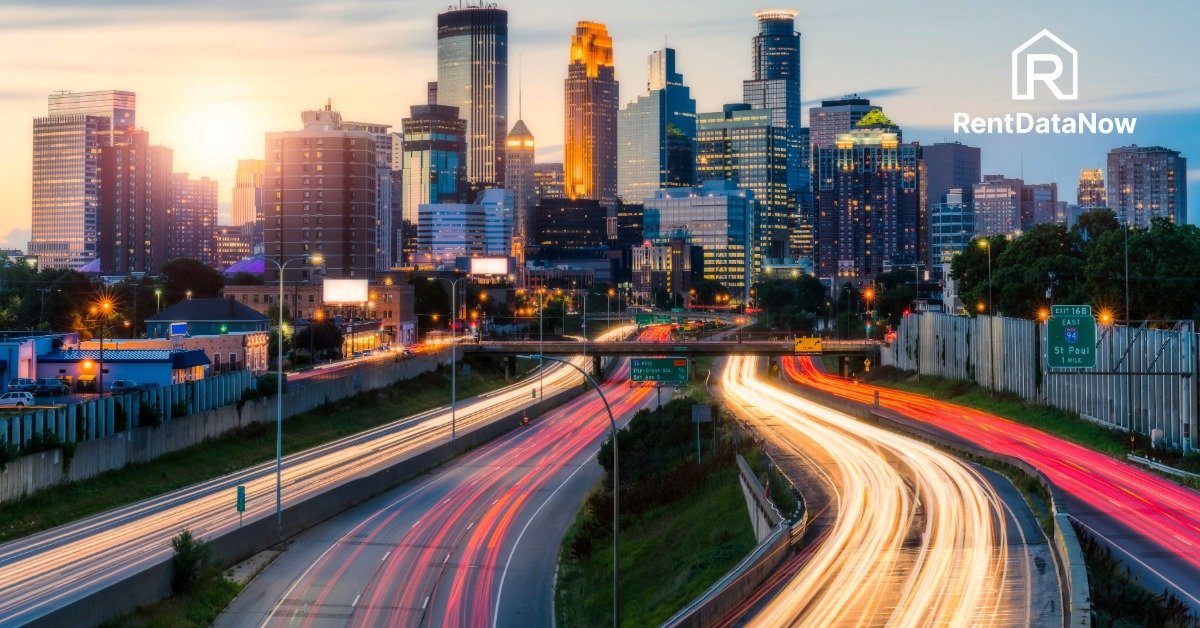
Minneapolis, MN: Cold Winters, Best Ratio for the Cost
Minneapolis runs $1,650 a month median, one-bedrooms at $1,449, with a 24% rent-to-income ratio against an $80,846 median income. It has the youngest median age of any major city in this dataset at 33.4. Minneapolis has a genuine arts and music scene, a walkable and bikeable core, a serious food culture, and one of the better light rail systems in the Midwest. It also has winters that require actual psychological preparation.
The city consistently punches above its weight on quality of life metrics, and the income base, anchored by healthcare, finance, and a cluster of Fortune 500 headquarters including Target and Best Buy, means entry-level compensation is more competitive than the rent level suggests. Rents grew 5.5% year over year, the fastest on this list, which is worth watching. But the starting point is low enough that it still makes the cut.
Columbus, OH: The Surprise Entry
Columbus sits at $1,445 a month median, one-bedrooms at $1,151, with a 26% ratio against a $66,082 median income. It has a median age of 33.2, the second youngest in this dataset, driven by Ohio State University's 60,000-student population and the young professionals who stay after graduating. Columbus has built a real food scene, a growing Short North arts district, and enough tech, healthcare, and logistics hiring that it's no longer just a state capital and college town.
The five-year rent growth of 27.3% against 12.8% income growth is the honest caveat: Columbus is getting more expensive faster than wages are rising, and the trend is worth watching for anyone planning to stay. Right now, though, the absolute numbers still work for a renter in their 20s. A one-bedroom at $1,151 on an entry-level salary of $50,000 is 27.6% of gross income, tight but manageable, and significantly better than what comparably sized cities in more expensive states offer.
Indianapolis, IN: Lowest Ratio on the List
Indianapolis's median rent is $1,374 a month, one-bedrooms at $1,159, with a 23% rent-to-income ratio. The median age is 34.3. Indianapolis is the most financially comfortable city for a young renter on a modest salary on this list, and the city has developed more than its reputation suggests over the past decade. The Bottleworks District, Mass Ave, and Fountain Square have built genuine neighborhood character, and the life sciences sector, anchored by Eli Lilly, provides a legitimate career track for science and healthcare workers early in their careers.
The honest tradeoff is pace. Indianapolis doesn't have Austin's energy or Raleigh's trajectory buzz. For renters who prioritize financial margin and career stability over scene, it's hard to beat the math.
Oklahoma City, OK: Best Value Nobody Talks About
Oklahoma City's median rent is $1,286 a month, one-bedrooms at $1,015, with a 22% ratio against a $68,656 median income. It is consistently one of the lowest rent-to-income ratios of any major US city, and it doesn't show up in most relocation conversations because it lacks the brand recognition of the Texas metros or the coastal cities. Rents grew 4.1% year over year, the highest on this list, but from a base low enough that it doesn't change the value proposition materially.
OKC has a real downtown that has improved significantly since the MAPS infrastructure investment program began, an NBA team, and a diverse enough economy across energy, aerospace, and healthcare that it isn't a single-industry market. For renters in their 20s who are genuinely price-sensitive and open to a city they'd be discovering rather than joining, the numbers are hard to argue with.
Grand Rapids, MI: Youngest City in the Dataset
Grand Rapids has a median age of 32.3, the youngest of any city in this dataset, driven by a cluster of colleges including Calvin University, Grand Valley State, and Aquinas College that keeps a young population cycling through and sometimes staying. Median rent is $1,619 a month, one-bedrooms at $1,234, with a 28% ratio against a $69,108 median income. Rents are essentially flat year over year at plus 0.1%.
Grand Rapids has a genuine craft beer culture, a real arts scene anchored by ArtPrize, and a manufacturing and healthcare economy that provides more entry-level stability than most comparably sized cities. It's a two-hour drive from Chicago and Detroit without being dominated by either. For renters who want a city with actual character at a price that doesn't require two incomes to manage comfortably, it belongs in the conversation.
Denver, CO: Expensive But the Income Matches
Denver's median rent is $1,826 a month, one-bedrooms at $1,874, with a 23% ratio against a $94,718 median income. It's the most expensive city on this list in absolute terms, and it makes the cut because the income base justifies it. Denver has long attracted young professionals in outdoor-adjacent industries, tech, healthcare, and the growing aerospace sector, and the compensation reflects that.
Rents are down 0.3% year over year, modest softening that is likely to continue as the multifamily pipeline delivers. For a renter in their 20s earning $70,000 or more, Denver's combination of mountains, urban density, and a legitimate food and culture scene is a strong argument. Below that income level, the math gets tighter and one of the other cities on this list starts to look more sensible.
Houston, TX and Kansas City, MO: Honorable Mentions
Houston deserves a mention at $1,541 median rent, one-bedrooms at $1,320, down 1.1% year over year, with a 29% ratio against a $64,813 median income. Houston's sprawl is real and car dependency is unavoidable, but for renters in energy, engineering, or healthcare it is one of the strongest career cities in the country at its price point. The lack of state income tax means a $60,000 salary goes further than the gross figure suggests.
Kansas City sits at $1,422 a month, one-bedrooms at $1,226, with a 25% ratio against a $69,166 median income. It has a surprisingly strong food and music culture rooted in its jazz history, a real downtown that has been revitalized over the past decade, and a cost structure that makes a $55,000 starting salary feel like considerably more than it would in Chicago or Denver. For renters in their 20s who are open to the Midwest and want a city with genuine character at a price that allows for actual savings, Kansas City is consistently underrated.
How to Use This List
The cities above represent a range of financial profiles and lifestyle tradeoffs. Austin and Raleigh are the strongest all-around picks for renters who want career trajectory alongside low rent. Indianapolis and Oklahoma City are the right answer for renters who prioritize financial margin above everything else. Minneapolis and Grand Rapids offer the best combination of young population and urban character at a price that doesn't require a senior salary.
Every city on this list has its full rent breakdown, income data, and affordability calculator on RentDataNow. If you're comparing two cities directly, the compare tool lets you run them side by side on rent, income, and ratio in one view.
Frequently Asked Questions
What is the best city to live in your 20s for affordability?
Cities like Austin, Raleigh, and Indianapolis offer strong rent-to-income ratios with real job opportunities.
How much rent should you pay in your 20s?
Ideally under 30% of your income, but many of the best cities on this list fall closer to 20–25%.
Are cheaper cities always better for young renters?
Not always. Some low-cost cities lack career growth or lifestyle options, which can limit long-term benefits.
Related Rent Guides
How to Break a Lease Without Losing Your Deposit
Breaking a lease does not have to cost you your security deposit. Here is how to read your options, use your legal protections, an…

Why Every Rent Report Gives a Different Number, and Which One to Trust
One city, five rent reports, five different numbers. Here is what each major source actually measures, why they disagree, and whic…

Average Rent by State: From $1,206 in Iowa to $3,612 in New York
Rent varies nearly threefold across the US. Here is the average rent in all 50 states, from the cheapest to the most expensive, wi…

Henry Jo is a housing analyst covering rent data, affordability, city comparisons, and much more. He started following rental data while apartment hunting in two cities at once, and he lives in the Pacific Northwest.
Comments (0)
Sign in to join the discussion
No comments yet. Be the first to share your thoughts.