

Is Midtown Atlanta Worth the Premium? What You Get for $2,000+ a Month
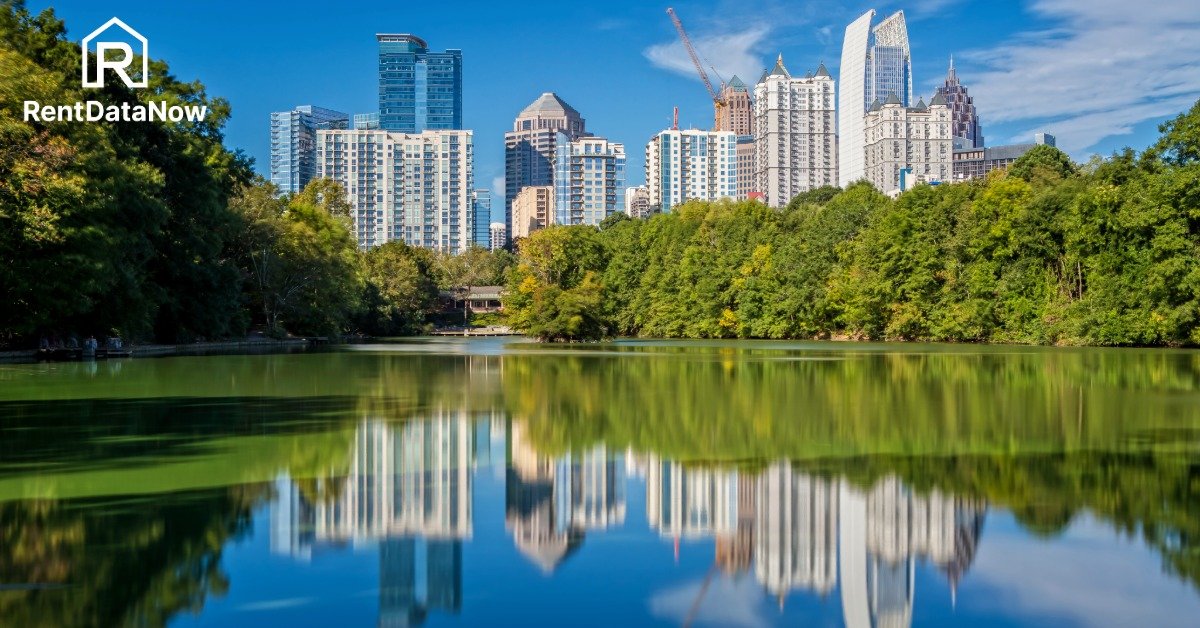
Midtown Atlanta is the most expensive place to rent in the city. One-bedroom apartments average around $2,000 to $2,100 a month. Two-bedrooms run $2,900 to $3,100. Studios, if you can find one, start around $1,600. Meanwhile, the Atlanta city-wide median for a one-bedroom is closer to $1,225 to $1,590 depending on the source.
That gap is real and it's large. The question is what you're getting for it.
What Midtown Actually Is
Midtown Atlanta sits between Downtown to the south and Buckhead to the north, running roughly from North Avenue up through 26th Street. It's the densest, most walkable stretch of the city. Peachtree Street is the spine, and most of what people think of when they imagine urban Atlanta is clustered here.
The neighborhood is built around Piedmont Park, a 189-acre green space that functions as Atlanta's Central Park. The High Museum of Art, the Woodruff Arts Center, Fox Theatre, and the Atlanta Botanical Garden are all in or adjacent to Midtown. Georgia Tech anchors the western edge, which keeps a student and young professional presence in the neighborhood year-round.
It's one of the few places in Atlanta you can live car free as MARTA has two rail stations in Midtown: Arts Center and Midtown, which connect directly to the airport and to the broader rail system. For Atlantans, that's notable. Most of the metro is car-dependent. Midtown is genuinely not.
What $2,000+ Actually Gets You
At the $2,000 to $2,200 range for a one-bedroom in Midtown, you're typically looking at a unit in a newer high-rise or mid-rise building with amenities like a rooftop pool, fitness center, package lockers, and usually a concierge or front desk. Units at this price point tend to have modern finishes, in-unit laundry, and city views if you're above the fourth or fifth floor.
What you're not getting is space. The average one-bedroom in Midtown runs around 750 square feet. That's functional but not generous. If space is a priority, the same $2,000 gets you significantly more square footage in Smyrna, Brookhaven, or Decatur.
Parking adds another $100 to $200 a month at most Midtown buildings if you have a car. Factor that into the real monthly cost.
The Lifestyle Premium
The honest case for Midtown is that it's the only part of Atlanta where you can live without a car and not feel like you're missing out. Everything is walkable or a short MARTA ride. Grocery stores, restaurants, coffee shops, parks, museums, and entertainment are on your doorstep. If you're coming from a genuinely urban background, Midtown is the closest Atlanta comes to that experience.
For people who value walkability, cultural amenities, and not needing to plan around driving everywhere, the premium is real and justified. Atlanta without Midtown is largely a car city. Midtown itself is not.
The BeltLine connection also matters. Midtown connects to the Eastside Trail, which gives pedestrian and bike access to Old Fourth Ward, Inman Park, and Ponce City Market without touching a car. That trail network has meaningfully raised the quality of life for intown renters over the past few years.
It's also an ideal location for Georgia Tech students as you are close to campus and Tech Square, so student demand is also driving up the price of midtown rents.
Where the Premium Doesn't Hold Up
If your job is in the suburbs, the Midtown premium makes less sense. A significant portion of Atlanta's major employers are outside the city proper, in places like Alpharetta, Sandy Springs, or along the I-285 corridor. If your commute puts you in a car every day anyway, you lose the walkability advantage that justifies most of the premium.
Property crime is also higher in Midtown than in most Atlanta suburbs. Car break-ins near MARTA stations are common and worth factoring in, especially if you're keeping a car. Crime in the core Midtown area has come down in recent years but remains a consideration relative to suburban alternatives at the same price point.
Noise is real. Midtown is dense and active. Peachtree Street has bars and nightlife. Construction is ongoing as new towers continue to rise. If you're a light sleeper or prize quiet, the vibe works against you.
How It Compares to the Alternatives
The most direct competition for Midtown renters is the broader intown Atlanta market. Decatur offers similar urban character, walkability to a Main Street, and good transit at meaningfully lower rents, typically $1,400 to $1,700 for a one-bedroom. Brookhaven offers newer construction with more space at a lower price point, though with more car dependence. Smyrna and Marietta are for renters who've made their peace with driving and want the most square footage for their dollar.
West Midtown is worth a separate mention. It runs along Howell Mill Road and the White Provisions corridor and sits adjacent to Midtown proper. One-bedrooms there average around $1,700, about $300 to $400 less than core Midtown, with many of the same restaurant and bar options and easier parking. It's the most popular compromise for renters who want the Midtown vibe without the full Midtown price.
The Honest Answer
Midtown Atlanta is worth the premium if you will actually use what you're paying for. If you'll walk to Piedmont Park regularly, take MARTA to work, hit the restaurants and venues on foot, and want to be in the center of what Atlanta's urban life looks like, the extra $400 to $600 a month over city-wide median is defensible.
If you'll spend most of your time in a car anyway, work in the suburbs, and mostly value space and parking, the premium doesn't hold up. You can live comfortably in Smyrna or Norcross for $1,200 to $1,400 a month and get twice the square footage.
The best move before deciding is to spend a weekend in Midtown during your apartment search. Walk the neighborhood at different times of day, check the MARTA connections to wherever you'll be working, and be honest about how much of the lifestyle you'll actually use once the novelty wears off.
Check rent data for Atlanta neighborhoods at RentDataNow, including ZIP-level breakdowns across Midtown and surrounding areas.
Related Rent Guides
How to Break a Lease Without Losing Your Deposit
Breaking a lease does not have to cost you your security deposit. Here is how to read your options, use your legal protections, an…

Why Every Rent Report Gives a Different Number, and Which One to Trust
One city, five rent reports, five different numbers. Here is what each major source actually measures, why they disagree, and whic…

Average Rent by State: From $1,206 in Iowa to $3,612 in New York
Rent varies nearly threefold across the US. Here is the average rent in all 50 states, from the cheapest to the most expensive, wi…

Jennifer Han is the editor in chief of RentDataNow, covering rent trends, housing costs, and more. She was a real-estate agent before she moved to writing about the market.
Comments (0)
Sign in to join the discussion
No comments yet. Be the first to share your thoughts.