

Immigrant neighborhoods are still cheaper than their cities, but the gap is shrinking
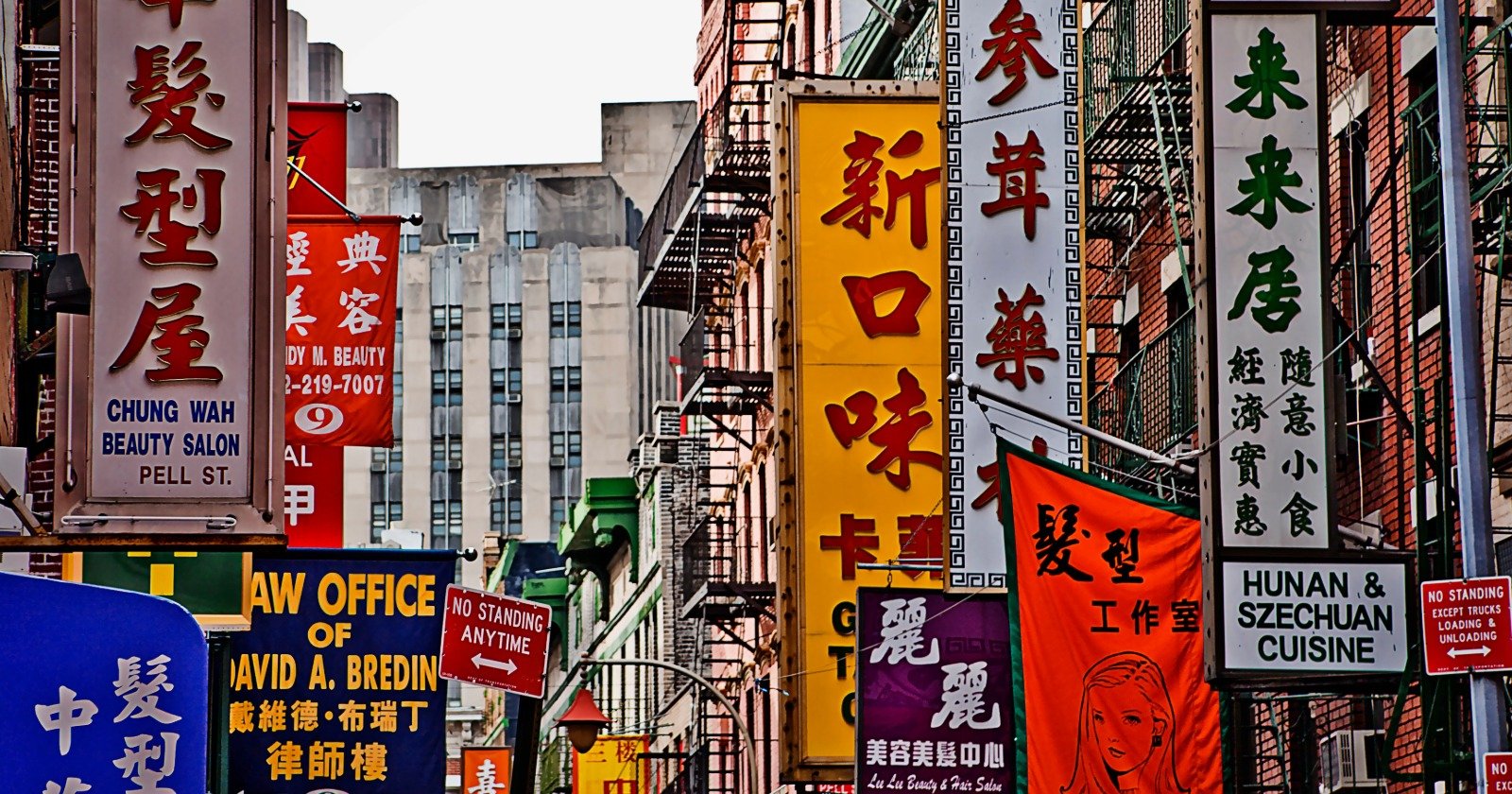
The immigrant and cultural enclave has always played the same role in an American city. It's where somebody new to the city could get a foothold, near people who spoke the same language, at a rent the rest of the city couldn't match. But the affordability discount is quicky evaporating.
All four neighborhoods below still price under their city median. What's changed is how fast that advantage is disappearing, and it varies enormously.
Neighborhood | Rent | City median | Discount | Year over year |
|---|---|---|---|---|
Harlem, New York | $3,481 | $4,170 | 16.5% | +15.3% |
Koreatown, Los Angeles | $2,484 | $2,773 | 10.4% | +0.2% |
Boyle Heights, Los Angeles | $2,279 | $2,773 | 17.8% | -0.9% |
Pilsen, Chicago | $1,864 | $2,395 | 22.2% | +3.9% |
Harlem is closing the gap on itself
Harlem's 15.3% jump is the story here, and it's roughly the same pace as New York City overall this year. $3,481 is now well past what most people picture when they think of Harlem rent.
It's also the smallest discount of the four relative to what the neighborhood historically offered. At 16.5% below the citywide median, Harlem is now priced like a slightly cheaper Manhattan address rather than a genuinely different market.
Los Angeles held still
The two LA neighborhoods went the other way. Koreatown rose 0.2%, which is effectively flat, and Boyle Heights fell 0.9%. Both sit in a city where rent overall barely moved, up 0.9%, so the enclaves tracked their market rather than outrunning it.
Boyle Heights has the second-largest discount on the list at 17.8% below the LA median, and it's the only neighborhood here where rent actually declined. For renters, that's the most stable entry point of the four.
Pilsen offers the biggest discount of all at 22.2% under Chicago's median, $531 a month below the citywide number. It rose 3.9%, well behind Chicago's overall pace, so its advantage widened slightly this year rather than shrinking.
What the numbers can and can't tell you
Rent data measures price, not displacement, and the two aren't the same thing. A flat rent figure can sit on top of a neighborhood where longtime residents are still leaving, because who is paying that rent can change while the number doesn't. Nothing in our data captures that, and we'd rather say so than let a stable median imply a stable community.
What the figures do show is that the enclave discount is real and still substantial in three of these four places, ranging from $289 a month in Koreatown to $689 in Harlem and $531 in Pilsen. For a renter comparing options, those are the numbers worth having.
You can check any neighborhood against its city on our New York, Los Angeles and Chicago pages, and we broke down the wider spread inside metros in the most unequal rental markets.
Sources
RentDataNow neighborhood and city rent data, anchored to the Zillow Observed Rent Index, June 2026
Frequently Asked Questions
Are ethnic enclave neighborhoods still cheaper to rent?
Yes, in all four we measured. Discounts against the city median run from 10.4% in Koreatown to 22.2% in Pilsen. In dollars that ranges from $289 a month in Koreatown to $689 in Harlem.
How much is rent in Harlem?
About $3,481 a month, up 15.3% over the past year. That is roughly 16.5% below the New York City median of $4,170, a smaller gap than the neighborhood has historically offered.
Which enclave neighborhood is the cheapest?
Pilsen in Chicago, at $1,864 a month, which is $531 below Chicago's median. It also rose only 3.9% against the city's faster pace, so its discount widened slightly this year.
Related Rent Guides
Charleston rents are now nearly $500 a month higher than Savannah
Charleston and Savannah get sold as interchangeable coastal Southern cities. On rent they have stopped being comparable, and the g…

National Rent Report: U.S. Rents Rose 0.3% in August 2026
The typical US rent rose about 0.3% (roughly $7) from July to August 2026 and is +2.7% year over year. San Francisco led with a +$…
A third of Santa Ana renters live with more than one person per room. The 11 most crowded cities are all in California.
Rent prices measure what people pay. Overcrowding measures what they gave up to pay it. Our ranking of every big city by renter cr…

Henry Jo is a housing analyst covering rent data, affordability, city comparisons, and much more. He started following rental data while apartment hunting in two cities at once, and he lives in the Pacific Northwest.
Comments (0)
Sign in to join the discussion
No comments yet. Be the first to share your thoughts.