

Rural vs urban rent in every state: urban renters may pay 69% more, but rural renters earn far less pay
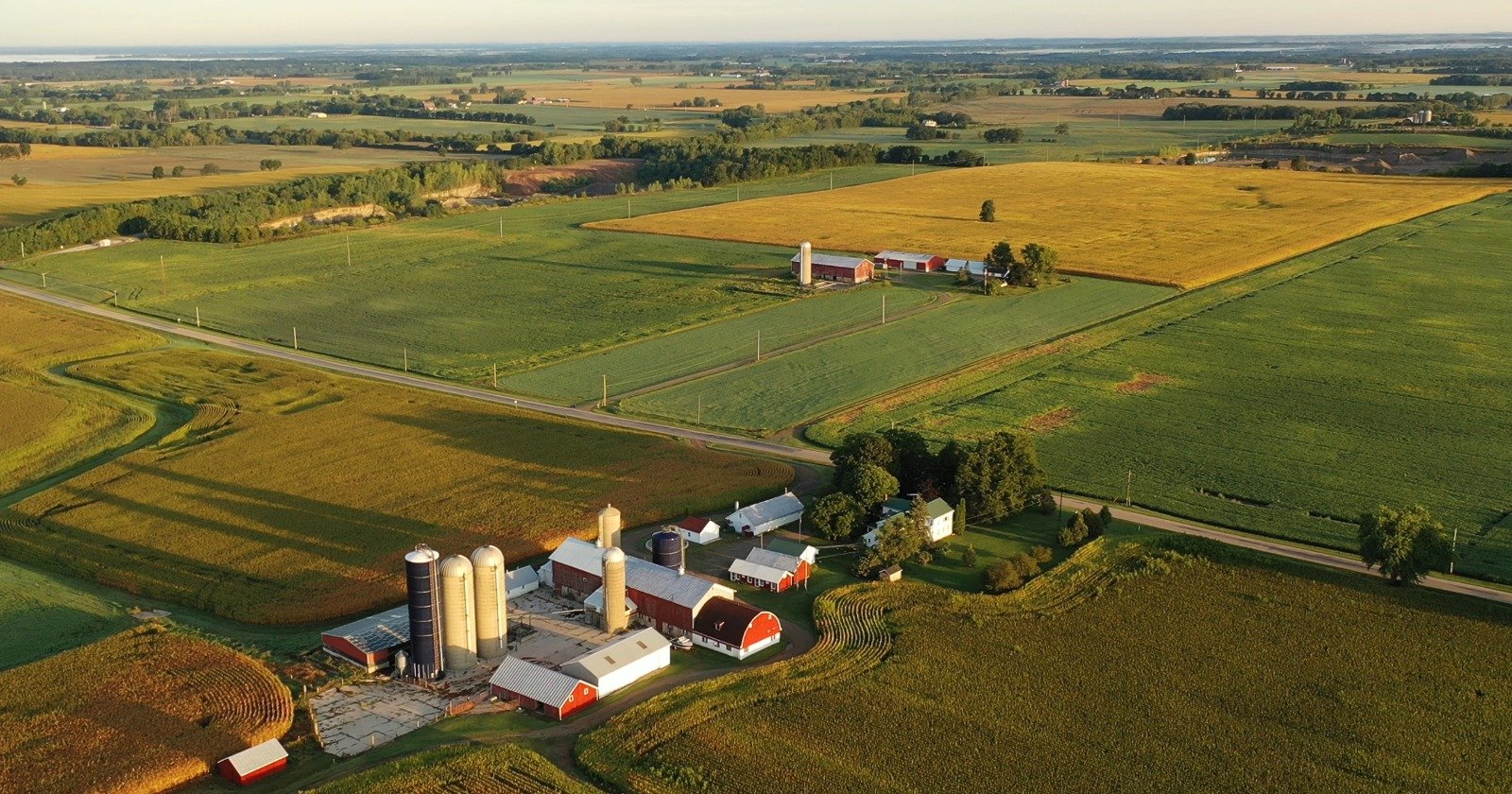
Renting outside a metro area is much cheaper almost everywhere. Across the US, the average median rent in metro counties was $1,543 a month, compared with $912 in nonmetro counties, a gap of 69%, according to RentDataNow analysis of US Census Bureau data for 2020 to 2024. Rural renters also earn much less, $38,646 for the median renter household compared with $57,450 in metro counties, so the savings shrink once incomes are counted.
How we measured it: we classified every county using the federal government's 2023 metropolitan area definitions. Counties inside a metropolitan area count as urban, and all others, including small micropolitan areas, count as rural. For each group, we averaged county median gross rents, which include utilities, weighting each county by its number of renter households. The share of renters spending 30% or more of income on housing is computed directly from county totals.
State | Urban rent | Rural rent | Urban premium | Urban renters cost-burdened | Rural renters cost-burdened |
|---|---|---|---|---|---|
New York | $1,743 | $919 | 90% | 52.3% | 46.4% |
Virginia | $1,675 | $887 | 89% | 49.0% | 44.6% |
Arizona | $1,553 | $846 | 84% | 52.0% | 34.1% |
Georgia | $1,494 | $870 | 72% | 53.5% | 46.0% |
Maryland | $1,724 | $1,024 | 68% | 51.5% | 50.8% |
Illinois | $1,362 | $813 | 68% | 48.5% | 42.5% |
California | $2,077 | $1,308 | 59% | 55.3% | 55.5% |
Tennessee | $1,289 | $830 | 55% | 49.9% | 43.1% |
Minnesota | $1,378 | $899 | 53% | 48.8% | 44.6% |
Washington | $1,811 | $1,182 | 53% | 49.9% | 50.3% |
South Carolina | $1,261 | $837 | 51% | 52.3% | 50.8% |
Oregon | $1,582 | $1,055 | 50% | 53.1% | 48.1% |
Florida | $1,677 | $1,127 | 49% | 60.2% | 53.8% |
Texas | $1,442 | $975 | 48% | 52.0% | 47.2% |
Vermont | $1,575 | $1,081 | 46% | 50.1% | 47.1% |
North Carolina | $1,321 | $910 | 45% | 49.1% | 47.8% |
Pennsylvania | $1,275 | $890 | 43% | 48.6% | 44.2% |
Kentucky | $1,086 | $771 | 41% | 45.9% | 44.3% |
Maine | $1,323 | $940 | 41% | 49.0% | 47.3% |
Missouri | $1,106 | $786 | 41% | 46.4% | 42.1% |
Massachusetts | $1,828 | $1,313 | 39% | 51.7% | 56.1% |
Alabama | $1,075 | $779 | 38% | 49.6% | 45.2% |
Idaho | $1,363 | $990 | 38% | 48.0% | 43.5% |
Louisiana | $1,109 | $806 | 38% | 54.9% | 54.2% |
Montana | $1,239 | $903 | 37% | 46.0% | 42.5% |
Nebraska | $1,158 | $851 | 36% | 47.6% | 38.5% |
Kansas | $1,142 | $840 | 36% | 44.4% | 40.8% |
Michigan | $1,173 | $869 | 35% | 50.8% | 47.1% |
Arkansas | $1,044 | $779 | 34% | 43.9% | 46.6% |
Colorado | $1,791 | $1,337 | 34% | 53.1% | 50.6% |
Mississippi | $1,099 | $826 | 33% | 52.5% | 49.9% |
Utah | $1,537 | $1,160 | 33% | 47.7% | 42.5% |
Connecticut | $1,553 | $1,176 | 32% | 53.0% | 42.7% |
Nevada | $1,612 | $1,226 | 32% | 56.4% | 44.3% |
Indiana | $1,118 | $852 | 31% | 49.3% | 42.0% |
South Dakota | $1,065 | $812 | 31% | 41.8% | 37.3% |
New Hampshire | $1,617 | $1,258 | 29% | 49.1% | 46.4% |
Oklahoma | $1,089 | $848 | 28% | 46.9% | 44.8% |
Hawaii | $2,062 | $1,610 | 28% | 57.5% | 51.7% |
Ohio | $1,079 | $844 | 28% | 46.4% | 42.9% |
Iowa | $1,052 | $825 | 28% | 46.1% | 39.3% |
Wisconsin | $1,141 | $907 | 26% | 44.7% | 39.2% |
New Mexico | $1,134 | $937 | 21% | 51.6% | 46.5% |
West Virginia | $929 | $781 | 19% | 50.1% | 46.1% |
Delaware | $1,427 | $1,238 | 15% | 48.8% | 53.5% |
North Dakota | $986 | $870 | 13% | 40.6% | 34.9% |
Wyoming | $1,101 | $998 | 10% | 46.2% | 41.6% |
Alaska | $1,455 | $1,327 | 10% | 47.1% | 38.2% |
United States | $1,543 | $912 | 69% | 51.8% | 45.3% |
New Jersey, Rhode Island, and the District of Columbia have no rural counties under this definition, so they aren't ranked.
The gap is widest where a big, expensive metro sits inside a state with a lot of countryside. In New York, metro renters pay about 90% more than renters in the state's rural counties, and Virginia and Arizona are close behind. It's narrowest in Alaska, Wyoming, and North Dakota, where the metro areas are small.
Lower rent doesn't always mean less strain. In California, Massachusetts, Washington, Delaware, and Arkansas, rural renters are as likely or more likely than metro renters to be cost-burdened, meaning they spend 30% or more of income on housing. Nationally, 45.3% of rural renters were cost-burdened, compared with 51.8% in metro counties. In Massachusetts, rural renters pay $1,313 on average, more than metro renters in most states, and 56.1% of them are cost-burdened.
Rural renters also make up a small share of the total, about 4.9 million renter households, compared with 40.5 million in metro counties. For more on smaller markets, see our look at Wyoming rent and why small-city rent numbers swing.
Sources
US Census Bureau, American Community Survey 5-year estimates, 2020-2024, county tables B25064, B25003, B25070, and B25119
US Census Bureau, 2023 metropolitan and micropolitan delineation files

Frequently Asked Questions
Is rent cheaper in rural areas?
Yes, almost everywhere. Across the US, renters in nonmetro counties paid an average median rent of $912 a month, compared with $1,543 in metro counties, based on Census data for 2020 to 2024. Rural incomes are also much lower.
Which state has the biggest rural vs urban rent gap?
New York, where metro renters pay about 90% more than rural renters, $1,743 compared with $919 a month. Virginia and Arizona follow. The smallest gaps are in Alaska, Wyoming, and North Dakota, at 10% to 13%.
Are rural renters less cost-burdened?
Usually, but not by much. Nationally, 45.3% of rural renters spent 30% or more of income on housing, compared with 51.8% of metro renters. In Massachusetts, California, and Washington, rural renters were as burdened or more.
Related Rent Guides

Where rent rose the most in 2025, according to new Census data
The median rent US tenants paid rose 4.7% in 2025, to $1,557, new Census data shows. It rose significantly in 43 states and DC and…

Columbus, Ohio rent prices in 2026: $1,468 a month, and the suburbs cost more than most of the city
Typical Columbus rent is $1,468, up 2.3% in a year and 29% since 2021. The Short North is the priciest area at $2,180, Linden the…

An Oregon beach town will pay owners up to $16,000 to rent to locals
Cannon Beach, Oregon, will pay property owners $4,000 per local worker they rent to, up to $16,000, for a year-long lease. About 6…

Jennifer Han is the editor in chief of RentDataNow, covering rent trends, housing costs, and more. She was a real-estate agent before she moved to writing about the market.
Comments (0)
Sign in to join the discussion
No comments yet. Be the first to share your thoughts.