

Where rent rose the most in 2025, according to new Census data
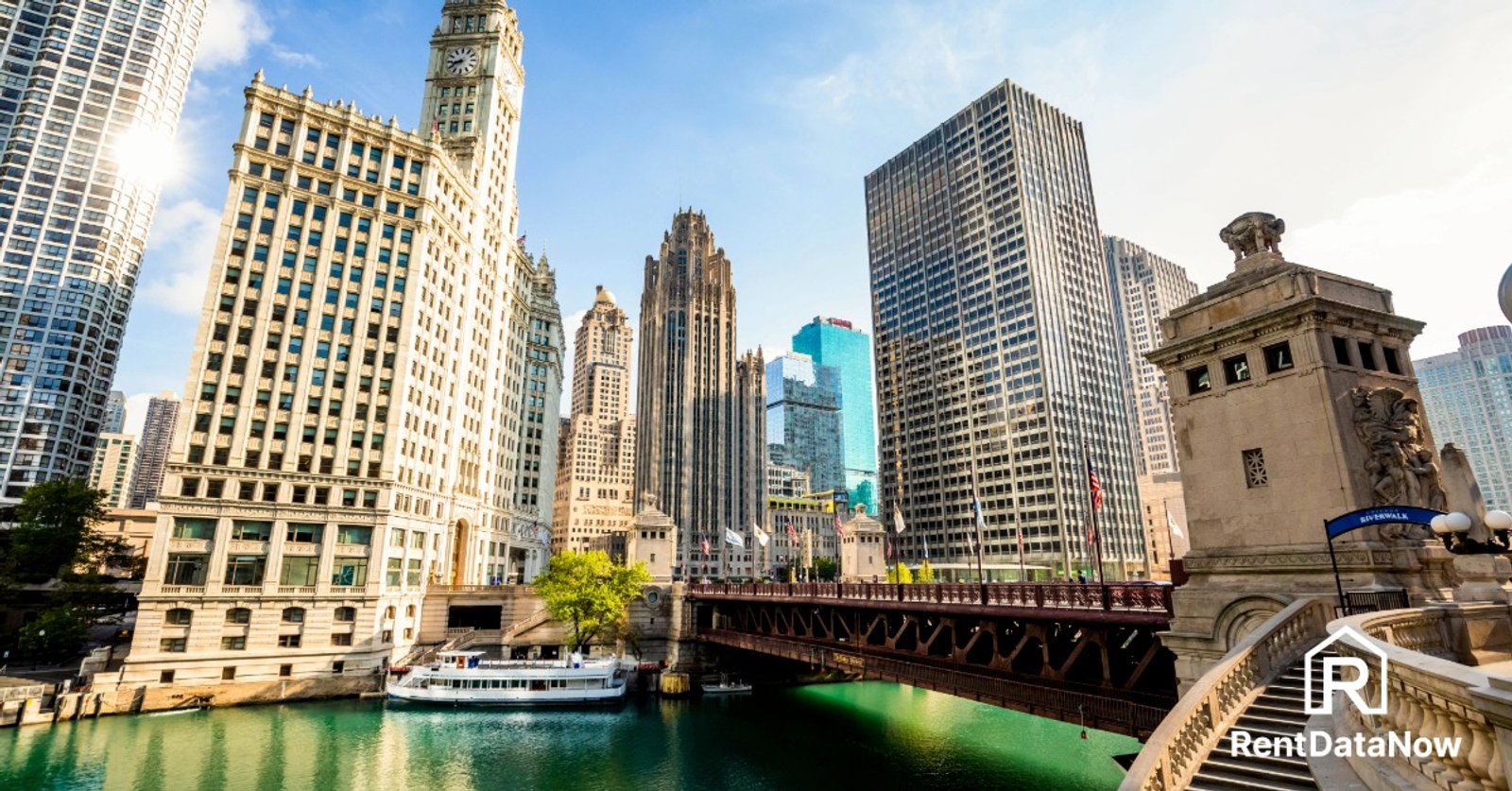
The rent Americans actually pay kept climbing in 2025. The median gross rent, which counts every renter household and includes utilities, was $1,557 a month in 2025, up 4.7% from $1,487 in 2024, according to the US Census Bureau's American Community Survey 1-year estimates, released October 29, 2026. Renters' incomes rose at almost the same pace. The median renter household earned $57,048, up 4.8%, so the share of renters spending 30% or more of income on housing held steady at 51.8%, and 26.2% spent half or more.
Rent rose in almost every state, and the biggest increases came from places that aren't usually on lists like this.
| State | Median gross rent, 2024 | 2025 | Change |
|---|---|---|---|
| New Hampshire | $1,558 | $1,742 | +11.8% |
| Maine | $1,210 | $1,329 | +9.8% |
| South Carolina | $1,272 | $1,395 | +9.7% |
| North Dakota | $980 | $1,071 | +9.3% |
| South Dakota | $999 | $1,089 | +9.0% |
| Wyoming | $998 | $1,087 | +8.9% |
| Nebraska | $1,102 | $1,194 | +8.3% |
| Connecticut | $1,550 | $1,679 | +8.3% |
| Rhode Island | $1,418 | $1,531 | +8.0% |
| Indiana | $1,104 | $1,187 | +7.5% |
| District of Columbia | $1,931 | $2,075 | +7.5% |
Two groups stand out. New England's smaller states, New Hampshire, Maine, Connecticut, and Rhode Island, all rose 8% or more. So did four Plains states, North Dakota, South Dakota, Wyoming, and Nebraska, which still have some of the lowest rents in the country. Of 52 areas, the 50 states plus DC and Puerto Rico, rent rose by a statistically significant amount in 44 and fell significantly in none. The smallest changes were in Nevada, where rent slipped 1.0%, within the margin of error, and Colorado, Vermont, Arizona, and Oregon, all up 2% or less.
Among the 39 cities with at least 500,000 people, the Midwest led.
| City | Median gross rent, 2024 | 2025 | Change |
|---|---|---|---|
| Chicago | $1,486 | $1,644 | +10.6% |
| Louisville | $1,144 | $1,254 | +9.6% |
| Indianapolis | $1,219 | $1,333 | +9.4% |
| Washington, DC | $1,931 | $2,075 | +7.5% |
| Boston | $2,196 | $2,351 | +7.1% |
| Milwaukee | $1,081 | $1,157 | +7.0% |
| Kansas City, Missouri | $1,292 | $1,383 | +7.0% |
| New York | $1,811 | $1,881 | +3.9% |
| Los Angeles | $1,958 | $2,001 | +2.2% |
| Dallas | $1,599 | $1,623 | +1.5% |
| Phoenix | $1,712 | $1,733 | +1.2% |
| Austin | $1,770 | $1,740 | -1.7% |
| San Antonio | $1,389 | $1,356 | -2.4% |
At the other end, many Sun Belt cities barely moved. San Antonio, Austin, Memphis, and Tucson all showed small declines, though none was large enough to be statistically significant, and Phoenix, Dallas, Las Vegas, Jacksonville, and Denver were essentially flat. Among the 57 metro areas with at least 1 million people, Austin was the only one where rent fell by a significant amount, down 2.4%. Chicago's metro led at 10.3%, followed by Indianapolis at 8.4% and Providence at 8.2%.
The biggest jumps among smaller cities, those with at least 100,000 people, came in places like McAllen, Texas, up 23.1% to $1,194; Providence, up 20.6% to $1,724; Athens, Georgia, up 18.9%; and Fargo, North Dakota, up 14.8%. The steepest significant drops were in Buckeye, Arizona, down 18.6%; Sterling Heights, Michigan, down 17.0%; and Frisco, Texas, down 14.2%. Of 362 cities that size, 88 had significant increases and 11 had significant declines.
These Census figures move differently from asking rents. They cover every renter, including people on leases signed years ago, and they include utilities. By contrast, typical asking rent for new leases averaged $1,872 a month in 2025, up 2.4% from 2024, according to RentDataNow data built on the Zillow Observed Rent Index. In Chicago, average asking rent rose 5.9% over the same years, about half the Census increase.
How we measured it: we compared the Census Bureau's 2024 and 2025 1-year estimates of median gross rent, table B25064. Because the survey is a sample, every estimate has a margin of error. We counted a change as statistically significant when it was larger than the combined margins of error for the two years, the approach the Census Bureau recommends for comparisons at 90% confidence. For more on the gap between asking rent and what tenants pay, see every rent tracker compared and why rent is so expensive.
Sources
- US Census Bureau, 2025 ACS 1-year estimates release (October 29, 2026)
- US Census Bureau, American Community Survey 1-year estimates, 2024 and 2025, tables B25064, B25070, B25119, and B01003, for states, places, and metro areas
- RentDataNow national and city rent data, anchored to the Zillow Observed Rent Index, 2024 and 2025 annual averages
Frequently Asked Questions
How much did rent go up in 2025?
The median gross rent US renters paid, including utilities, rose 4.7% in 2025, from $1,487 to $1,557, according to the Census Bureau's American Community Survey 1-year estimates released October 29, 2026. Renter incomes rose 4.8%.
Which state had the biggest rent increase in 2025?
New Hampshire, where median gross rent rose 11.8%, from $1,558 to $1,742, according to Census data. Maine, South Carolina, North Dakota, and South Dakota followed, each up about 9% to 10%.
Which big city had the biggest rent increase in 2025?
Among cities with at least 500,000 people, Chicago, where median gross rent rose 10.6%, from $1,486 to $1,644, Census data shows. Louisville and Indianapolis followed, each up more than 9%. Austin and San Antonio dipped slightly.
Related Rent Guides

Rent prices in the 25 biggest US cities: 18 are at record highs, and San Francisco is up 59% in five years
Typical rent in the 25 biggest US cities runs from $1,381 in San Antonio to $4,784 in San Francisco. Eighteen of the 25 are at rec…

Income-restricted apartments: how the rent caps work, and the cities where they save the most
An income-restricted one-bedroom in New York can legally cost up to $1,909 a month, $823 below typical rent. In Phoenix, Austin, a…

Rent-to-income ratio in the 50 biggest US cities: only two come in under 30% for renters
Measured against what renters actually earn, typical rent takes 30% or more of income in 48 of the 50 largest US cities. The media…

Henry Jo is a housing analyst covering rent data, affordability, city comparisons, and much more. He started following rental data while apartment hunting in two cities at once, and he lives in the Pacific Northwest.
Comments (0)
Sign in to join the discussion
No comments yet. Be the first to share your thoughts.