

Virginia Renters Now Get 14 Days to Pay Late Rent Before Eviction, Up From 5
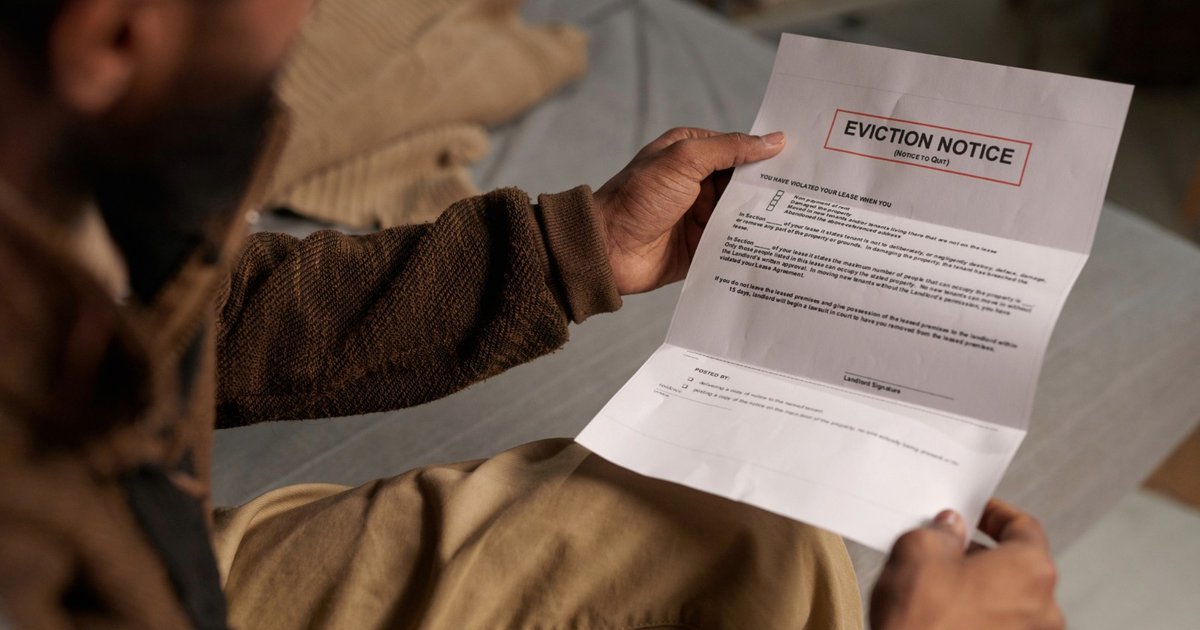
Virginia renters who fall behind will now have nearly three times as long to catch up before a landlord can move to evict them. A new law extends the grace period to pay overdue rent from 5 days to 14, part of a package of tenant measures that also makes an eviction diversion program permanent and strengthens protections when landlords let conditions slide.
For renters who live close to the edge, the extra nine days can be the difference between keeping a home and losing one. Tamiaka Bryant, a Richmond resident, knows the old timeline firsthand.
What House Bill 15 changes
Under the previous law in Virginia, a tenant had just five days to pay overdue rent before a landlord could begin eviction proceedings. House Bill 15, sponsored by Del. Cia Price, a Democrat from Newport News, extends that window to 14 days. The change gives renters who are waiting on a paycheck or piecing together help a realistic chance to cover what they owe before the case reaches a courtroom.
A one-week gap that nearly cost a home
Bryant, originally from New Bern, North Carolina, moved to Richmond after a successful phone interview with the Country Club of Virginia and has lived in the city ever since. At one point she left to care for her father and fell behind on rent. Her next paycheck was a little more than a week away, but under the five-day rule her landlord had already filed to evict her.
"I literally just needed to get my next check, which wasn't going to be within five days," Bryant said. She worried about what would happen to her and her two pets. She also described the bluntness of housing court, where the only question that seemed to matter was whether she owed money.
"You could have had a death in the family or something, but he has nothing else to say and you're just sitting with that," Bryant said. Her employer offered to help, and the Richmond Tenant Union stepped in. "But that five-day thing messes up a lot of people's lives," she said. "I appreciate lawmakers for addressing this."
More than a longer grace period
The law arrives alongside other renter measures. A previously piloted eviction diversion program has been made permanent and expanded statewide, giving tenants another route to resolve a missed payment before it becomes a judgment. Additional laws strengthen protections for renters whose landlords fail to maintain health and safety in a unit.
Governor Abigail Spanberger said renters on the edge could feel the relief quickly. "If you're someone who's kind of always teetering on potential eviction, you'll feel it real quick when you have just a little bit more breathing room to be able to kind of steady yourself and pay your rent," she said.
The slower-moving supply measures
Other new policies aim at the housing shortage that drives rents up in the first place, though those take longer to show results. Senate Bill 74, from Sen. Jeremy McPike, a Democrat from Prince William, lets local governments amend zoning ordinances to create affordable housing programs, a power previously granted only to some localities. House Bill 594, from Del. Shelly Simmonds, also of Newport News, aims to streamline approvals for affordable housing projects. A separate measure allows homeowners to build tiny homes on their property, which advocates say could add rentals and let seniors age in place near family.
A decade in the making
Price introduced her flagship housing bill five times before a governor signed it. She said she became convinced the policy could work after rental relief was temporarily granted during the pandemic and, in her words, the sky did not fall down. She argues it can save both sides money by heading off court costs and the damage an eviction does to a tenant's record.
"By the time you start the eviction, you've ruined (tenants') credit, and it makes it harder for them to find somewhere else to go," Price said. "You didn't get their money. Now things are in court, and you may not get your money anyways."
What it means for Richmond renters
RentDataNow tracks a typical Richmond rent of about $1,682 a month, a level where a single missed paycheck can quickly turn into an unpayable balance. For a renter in that position, 14 days rather than 5 is often exactly the span between two paychecks. To see how rents compare across the state, browse the full Virginia rent data by city and ZIP code.
Sources
Commonwealth of Virginia, House Bill 15, Senate Bill 74, and House Bill 594
RentDataNow Richmond and Virginia rent data (Zillow Observed Rent Index)
Frequently Asked Questions
How long do Virginia renters now have to pay late rent before eviction?
Fourteen days. House Bill 15 extends the grace period from the previous five days, giving tenants more time to cover overdue rent before a landlord can begin eviction proceedings.
What is Virginia's eviction diversion program?
It is a program, previously piloted and now made permanent and statewide, that gives tenants a route to resolve a missed rent payment before it becomes a court judgment. It is one of several new renter protections passed alongside the extended grace period.
What is the typical rent in Richmond, Virginia?
RentDataNow tracks a typical Richmond rent of about $1,682 a month. At that level, a single missed paycheck can quickly become hard to cover, which is why the longer 14-day grace period can matter.
Related Rent Guides

Richmond vs Arlington, Virginia: Rent Prices in 2026
Virginia two biggest rental draws sit at opposite ends of the math. Arlington costs nearly a thousand dollars more a month, yet it…

Augusta's zoning rewrite would ban short-term rentals in most neighborhoods, Masters week included
Augusta is rewriting its zoning code for the first time since 1963, and the draft would ban short-term rentals in regular neighbor…

Most UK first-time buyers now pay more on the mortgage than they did in rent. In the US, the jump is far bigger
Buying a first home used to lower the monthly bill for many UK renters. Now 56% pay more than they did in rent. In the US, a typic…

Henry Jo is a housing analyst covering rent data, affordability, city comparisons, and much more. He started following rental data while apartment hunting in two cities at once, and he lives in the Pacific Northwest.
Comments (0)
Sign in to join the discussion
No comments yet. Be the first to share your thoughts.