

At 7.17% mortgage rates, renting is thousands cheaper than buying in some cities
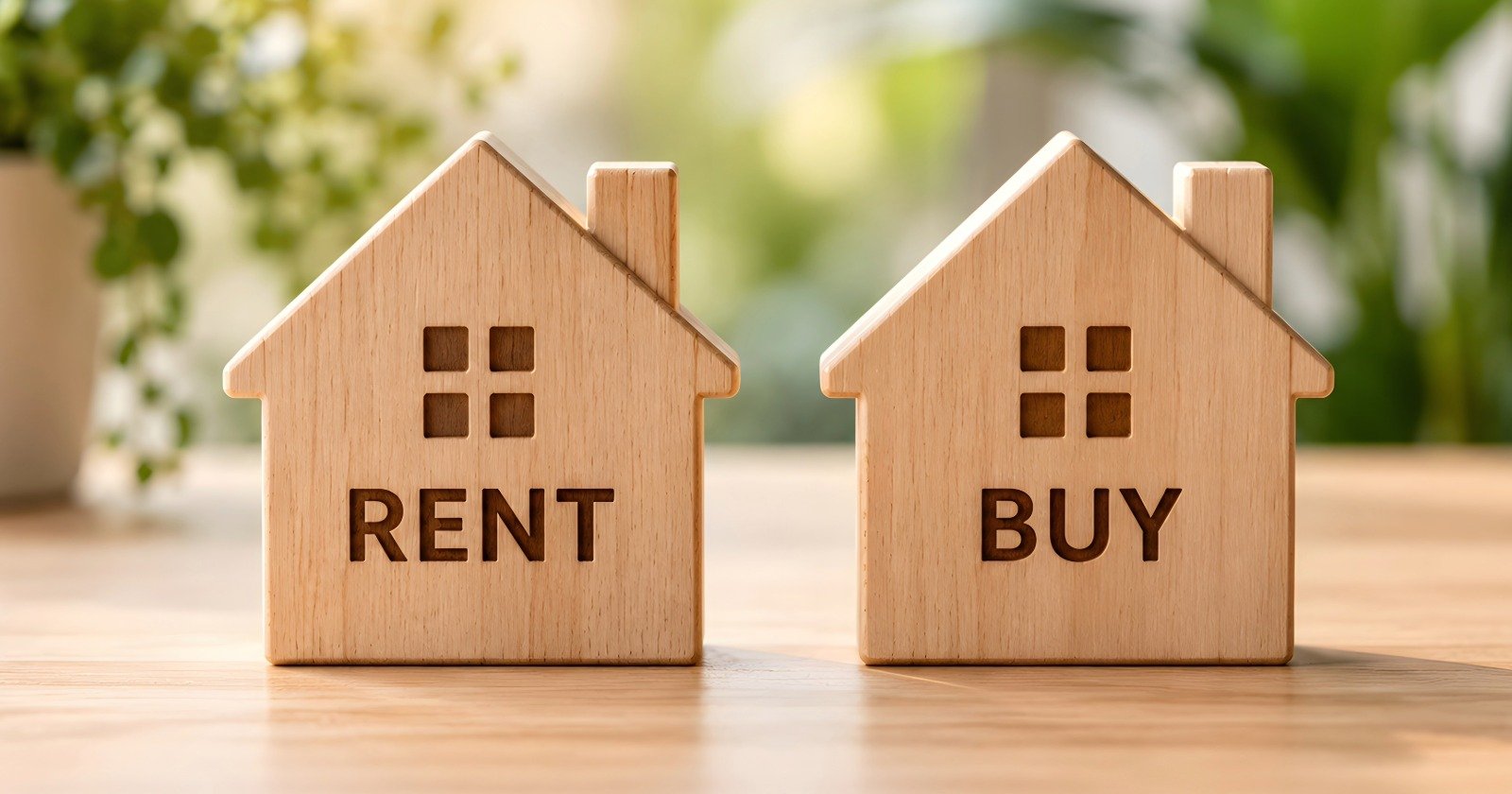
The 30-year fixed mortgage rate has climbed to 7.17%, near a two-year high, and existing-home sales just fell to a 14-month low of 3.98 million a year. At this rate, buying costs so much per month that fewer people are doing it, and more are renting instead.
In Seattle, owning the typical home now costs $3,688 more a month than renting one.
What owning costs against renting, right now
For each city we took the median home value, assumed 20% down and a 30-year loan at 7.17%, and added roughly 1.3% of the home's value a year for property taxes and insurance. That's the all-in monthly cost of owning, set beside the typical rent.
City | Median home | Own per month | Rent | Monthly premium to own |
|---|---|---|---|---|
Seattle, WA | $912,100 | $5,926 | $2,238 | +$3,688 |
$879,500 | $5,714 | $2,773 | +$2,941 | |
$586,700 | $3,812 | $1,884 | +$1,928 | |
$512,700 | $3,331 | $1,610 | +$1,721 | |
$381,900 | $2,481 | $1,567 | +$914 | |
$420,600 | $2,733 | $1,936 | +$797 | |
$751,700 | $4,884 | $4,170 | +$714 | |
$295,300 | $1,919 | $1,605 | +$314 | |
$253,400 | $1,646 | $1,561 | +$85 | |
$475,200 | $3,088 | $3,008 | +$80 | |
$315,200 | $2,048 | $2,395 | -$347 | |
$76,800 | $499 | $1,347 | -$848 |
The split is stark. In the expensive-home cities, owning runs $1,700 to $3,700 a month above renting the same kind of place, which is a car payment or two in pure monthly difference. In the cheap-home cities it flips, and in Chicago and Detroit buying the typical home actually costs less each month than renting it does.
Why the rate does this
The rate is the whole difference between now and the pandemic, when the 30-year sat near 2.75%. On Seattle's median home, the loan payment alone runs about $4,938 a month at 7.17%. At 2.75% the same loan would cost roughly $2,980, a difference of nearly $2,000 a month on the identical house at the identical price.
That's what rate lock-in means from the buyer's side. Prices never fell to match the higher rates, so the monthly cost of a mortgage jumped while rent, which answers to supply and local wages rather than Treasury yields, didn't move nearly as much. The gap between the two is what pushes a would-be buyer back into a lease.
It compounds from the seller's side too, since homeowners holding sub-4% mortgages won't sell into a 7% market, so listings stay scarce, prices stay firm, and the buyer who does step in pays both a high price and a high rate. The renter skips both.
What this does and doesn't prove
This is a monthly cash comparison, and it isn't a full verdict on renting versus buying. Owning builds equity while rent buys none, a mortgage payment is mostly fixed while rent tends to rise, and the tax treatment of the two differs. Over a long enough hold, ownership often wins even from a worse monthly starting point.
What the numbers do explain is the behavior in the headlines. When owning the same home costs $2,900 more a month in Los Angeles, plenty of households that could technically qualify are choosing to rent and invest the difference, or simply can't clear the payment at all. That's the demand keeping the rental market tight even as home sales stall.
The read for a renter is that this is a moment of leverage on the buy side and pressure on the rent side. If you were on the fence about buying, the monthly math has rarely argued harder for waiting, and we walked through the fuller decision in should you rent or buy right now. For the rate-independent version of the comparison, our price-to-rent ratio by city ranks where buying pencils out before financing costs enter the picture.
Sources
Freddie Mac Primary Mortgage Market Survey, for the 30-year fixed rate
National Association of Realtors, existing-home sales for August 2026
US Census Bureau, American Community Survey, table B25077, median home value
RentDataNow city rent data, anchored to the Zillow Observed Rent Index, June 2026
Frequently Asked Questions
Is it cheaper to rent or buy right now?
On monthly cash, renting is cheaper in most expensive-home cities. At a 7.17% mortgage rate, owning the typical home costs $3,688 more a month than renting in Seattle and $2,941 more in Los Angeles. In low-price cities like Chicago and Detroit, buying is cheaper per month.
Why are more people renting instead of buying?
Mortgage rates near 7.17% pushed the monthly cost of owning far above rent, while home prices never fell to compensate. Rent tracks supply and local wages rather than Treasury yields, so the gap between a mortgage payment and rent widened enough to keep would-be buyers renting.
How much did higher rates add to a mortgage payment?
On Seattle's median home, the loan payment runs about $4,938 a month at 7.17%, against roughly $2,980 at the pandemic-era 2.75%, a difference of nearly $2,000 a month on the same house at the same price.
Related Rent Guides

California rent would take 17 years to catch up to a mortgage payment. At this year's pace, Los Angeles would take 54
Rent in six big California metros would need about 17 years of normal growth to match what a homebuyer pays now. At last year's sl…

America's fastest-growing cities aren't seeing the fastest rent increases
The Census Bureau's fastest-growing cities are mostly Texas suburbs, and in several of them rent is falling. Across the 15 fastest…
Military housing allowance covers typical rent near 13 big bases, but a three-bedroom is a stretch
The 2026 Basic Allowance for Housing tops typical rent near every big base we checked. For a junior enlisted family that needs thr…

Jennifer Han is the editor in chief of RentDataNow, covering rent trends, housing costs, and more. She was a real-estate agent before she moved to writing about the market.
Comments (0)
Sign in to join the discussion
No comments yet. Be the first to share your thoughts.