

Chicago rent growth is finally slowing after a blistering run

Chicago's rent prices are cooling. Citywide, annual growth peaked at 9.7% in May, slipped to 9.3% in June, and eased to 8.0% in July, and that last month brought the first monthly decline of the year, with the typical rent dropping 0.58% to $2,395.
Growth this strong doesn't reverse in a single month, and 8.0% a year is still fast, so what the numbers show is deceleration rather than a decline, and downtown is where it's clearest.
The downtown split
Downtown Chicago isn't cooling evenly, because the most expensive submarkets have flattened to low single digits while cheaper corners of the core are still climbing double digits.
Area | ZIP | Typical rent | Year over year |
|---|---|---|---|
Near North / Gold Coast | $3,000 | +16% | |
The Loop | $3,044 | +11% | |
Near West / Greektown | $2,992 | +6% | |
South Loop | $2,735 | +6% | |
Streeterville | $2,833 | +4% | |
River North | $2,975 | +4% | |
West Loop / Fulton | $2,640 | +3% |
Streeterville, River North, and the Fulton stretch of the West Loop are the priciest, most heavily built parts of downtown, and they're the ones flattening. That's the pattern you'd expect when a wave of new luxury buildings finishes leasing up, since the areas that added the most units have the least room left to push rents.
The Loop and Gold Coast are the exception, still running double digits, which probably reflects thinner new supply on those blocks rather than a different demand story.
What's driving the slowdown
It's because the supply is catching demand at the top of the market. Downtown Chicago absorbed years of high-rise construction, and the buildings that opened into the spring leasing season are now competing for the same renters. When the newest and most expensive inventory has to compete, the luxury tier cools first, which is exactly what the ZIP split shows.
Seasonality is the other piece, since rent growth in almost every city peaks over the summer moving season and eases into the fall, so a July dip is partly just the calendar. The signal worth watching is whether the deceleration holds past moving season, or whether it'll snap back next spring.
A renter signing in Streeterville or River North this fall has more room to negotiate than they'd have had a year ago.
The cheaper downtown ZIPs are the opposite trade, still hot and offering little give, so a renter chasing a deal in the core should look at the expensive, overbuilt blocks rather than the affordable ones, which is the reverse of the usual advice.
This sits inside a longer arc we traced in Chicago rent since 2015, where the city rose 55% over eleven years, and the neighborhood-level picture is in our Chicago rent by neighborhood breakdown. Track the live citywide figure on our Chicago rent page.
Sources
RentDataNow Chicago rent data by ZIP code, monthly, anchored to the Zillow Observed Rent Index, June 2025 through July 2026
Frequently Asked Questions
Is Chicago rent still going up?
Yes, but more slowly. Annual growth eased from 9.7% in May to 8.0% in July, and July recorded the first monthly decline of the year as the typical rent slipped 0.58% to $2,395. That is deceleration rather than a fall.
Which downtown Chicago areas are cooling fastest?
The priciest, most heavily built ones. The Fulton stretch of the West Loop rose just 3% over the past year, and Streeterville and River North about 4%, while the Loop and Gold Coast still climbed double digits.
Where can renters negotiate in downtown Chicago right now?
In the flattening luxury submarkets like Streeterville, River North, and the West Loop's Fulton area, where slowing growth and heavy new supply bring back concessions. The cheaper core ZIPs are still hot and offer little room.
Related Rent Guides
Heat season has started. Here's how warm your landlord has to keep your apartment
Heat season is underway in much of the country. In New York City, landlords must keep apartments at 68 degrees during the day when…
The best big cities for a two-bedroom on a $2,000 budget
Our estimated two-bedroom rent is $2,000 or less in 54 of the 87 US cities with at least 250,000 residents. Raleigh, Colorado Spri…
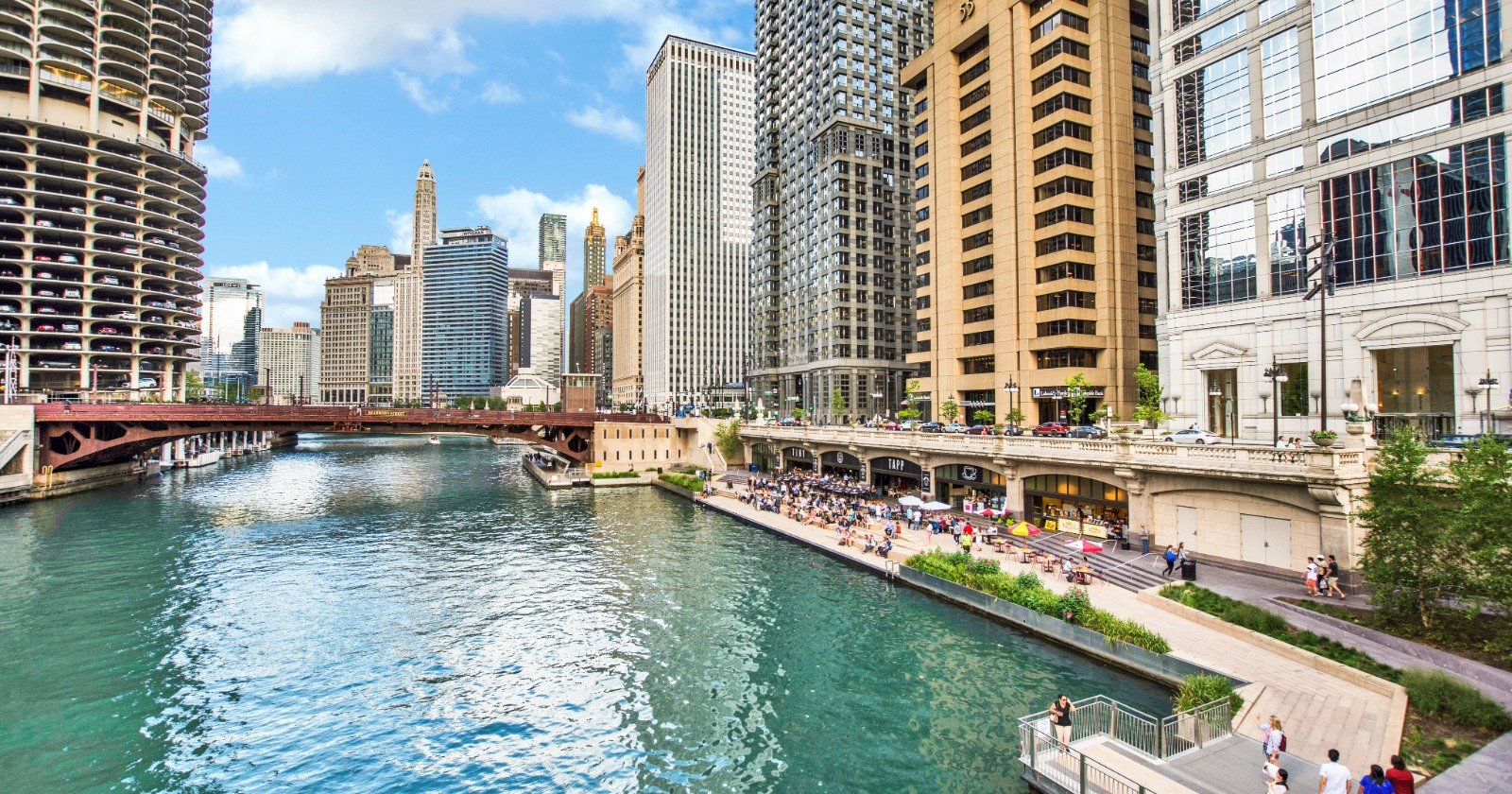
Chicago rent is up 55% since 2015, and the sharpest jump came this year
Chicago rent has risen 55% since 2015, from $1,552 to $2,409. Most of the pain was gradual, but the largest one-year jump of the w…

Jennifer Han is the editor in chief of RentDataNow, covering rent trends, housing costs, and more. She was a real-estate agent before she moved to writing about the market.
Comments (0)
Sign in to join the discussion
No comments yet. Be the first to share your thoughts.