

Heat season has started. Here's how warm your landlord has to keep your apartment
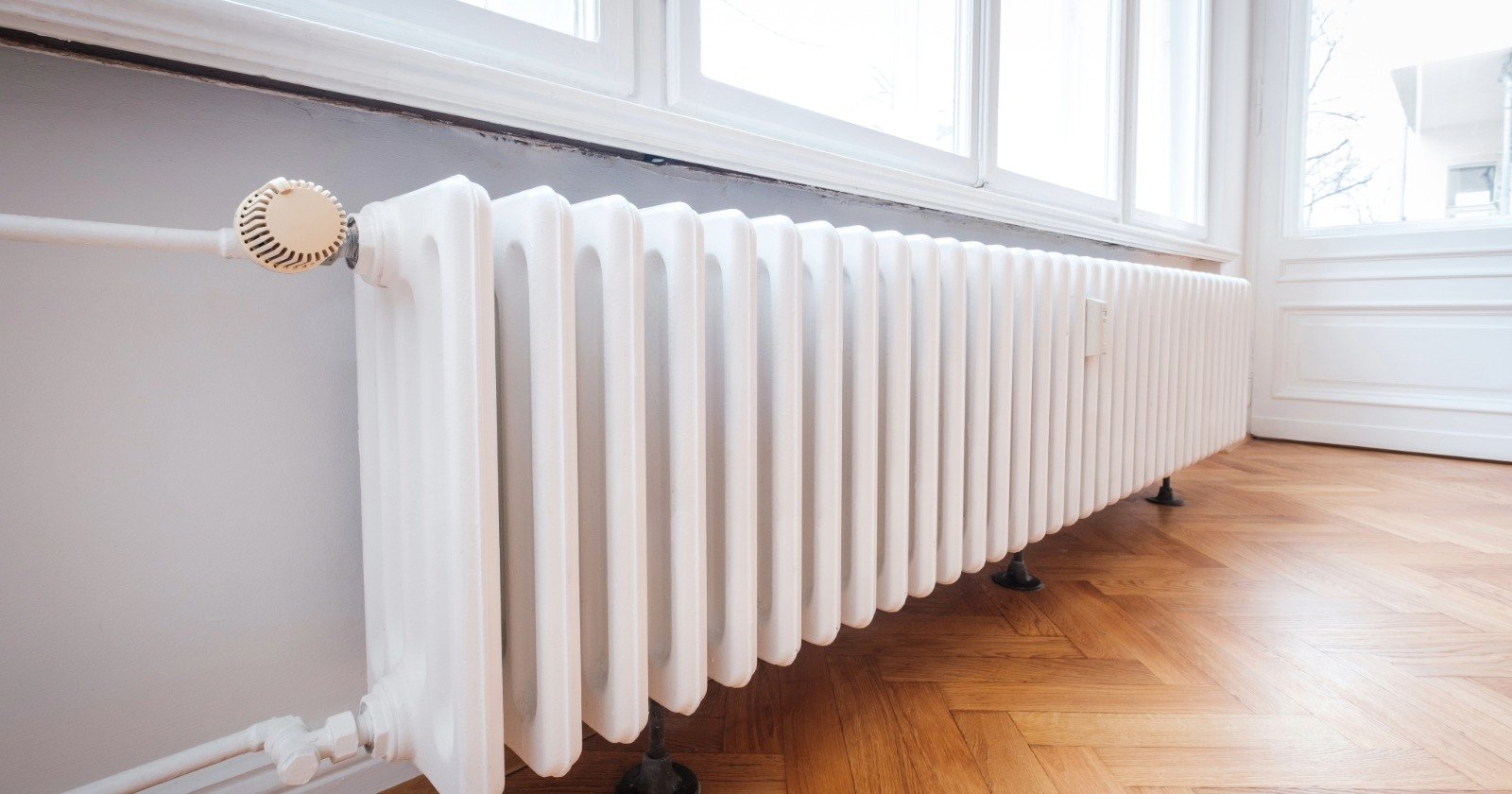
Heat season started at the beginning of this month in New York City, and landlords there now have to keep apartments at 68°F or warmer between 6 a.m. and 10 p.m. whenever it's below 55°F outside, and at 62°F or warmer overnight no matter the weather, according to the city's Department of Housing Preservation and Development. The rule runs through May 31. Landlords who don't comply face fines of $250 to $500 a day for a first violation.
Most big cities in cold climates have a similar rule, but the temperatures, hours, and dates vary. Here's what the codes say.
City | Heat season | Daytime minimum | Overnight minimum |
|---|---|---|---|
October 1 to May 31 | 68°F, 6 a.m. to 10 p.m., when it's below 55°F outside | 62°F | |
September 15 to June 1 | 68°F, 8:30 a.m. to 10:30 p.m. | 66°F | |
September 15 to May 31 | 68°F, 7 a.m. to 11 p.m. | 64°F | |
October 1 to April 30, plus May and September when it's below 60°F outside | 68°F | 68°F | |
October 1 to May 1 | 68°F, 6:30 a.m. to 11 p.m. | 65°F | |
October 1 to April 30 | 68°F | 68°F | |
October 1 to April 30 | 70°F average in living spaces | 70°F average | |
Not set in the code section | 70°F, 7 a.m. to midnight | 68°F | |
September 1 to June 30 | 68°F, 7 a.m. to 10:30 p.m. | 58°F |
A few details matter. Philadelphia's code sets one 68°F minimum with no separate overnight number. Massachusetts lets local boards of health end the season as early as May 15 or start it as late as September 30. Minneapolis also asks for 65°F in the shoulder weeks, September 15 to 30 and May 1 to 15, on top of the state's 68°F rule. Chicago gives older two-pipe steam buildings a lower 64°F standard in the first and last month of the season.
Some codes describe what the heating system has to be able to do, not a schedule. Denver's housing rules require heat that can keep living spaces at 70°F even when it's 5 below zero outside, and require it to be run as needed to keep that temperature. Atlanta's housing code requires a system that can reach 72°F when it's 22°F outside, without setting hours or dates.
California treats a lack of adequate heat as making a home substandard, and state housing rules call for heating that can keep rooms at 70°F. In Los Angeles, the city code requires the owner to turn on the heat whenever the unit is 70°F or colder.
Texas and Florida don't set a temperature. Florida law requires landlords of apartment buildings, though not single-family homes or duplexes, to provide working heat in winter unless the lease says otherwise in writing. Texas lets tenants use repair remedies for inadequate heat only when the landlord agreed in the lease to provide the heating equipment.
Tell the landlord in writing first and keep a copy, then call the city. In New York, Chicago, Philadelphia, Minneapolis, and Denver, complaints go through 311. In Boston, call Inspectional Services at 617-635-5300, or 311 after hours, and in Seattle, the Renting in Seattle helpline is 206-684-5700. Chicago fines landlords $500 to $1,000 a day per violation, and New York's fines rise to $500 to $1,000 a day for repeat violations.
A thermometer reading with the date and time on it makes a complaint easier to prove. If the heat bill is yours, check what's typical in what utilities actually cost in an apartment, and for repairs beyond the furnace, see how to get your landlord to make repairs.
Sources
NYC Department of Housing Preservation and Development, heat and hot water
105 CMR 410.180, Massachusetts sanitary code, and City of Boston, winter heating season for complaint contacts
Philadelphia Property Maintenance Code PM-602; DC housing code standards from the DC Department of Buildings and Office of the Attorney General; Minnesota Statutes 504B.161 and a City of Minneapolis bulletin (November 2025); Baltimore City Building Code 602.3; Detroit City Code 8-15-465; Seattle Municipal Code 22.206.160
Denver Residential Housing Regulations; Atlanta Housing Code, Section 21; California Civil Code 1941.1, Health and Safety Code 17920.3, and 25 California Code of Regulations 34; Los Angeles Municipal Code 91.8111; Texas Property Code chapter 92; Florida Statutes 83.51
Frequently Asked Questions
What temperature does a landlord have to keep an apartment in NYC?
From October 1 to May 31, New York City landlords must keep apartments at 68°F or warmer from 6 a.m. to 10 p.m. when it's below 55°F outside, and at 62°F or warmer overnight regardless of the weather.
When does heat season start in Chicago?
Chicago's heat ordinance runs from September 15 to June 1. Landlords must keep indoor temperatures at 68°F or warmer from 8:30 a.m. to 10:30 p.m. and 66°F overnight, and face fines of $500 to $1,000 a day per violation.
What can I do if my landlord won't turn on the heat?
Notify the landlord in writing and keep a copy, record the indoor temperature with the date and time, and file a complaint with the city. In New York, Chicago, Philadelphia, Minneapolis, and Denver, that's through 311.
Related Rent Guides
The best big cities for a two-bedroom on a $2,000 budget
Our estimated two-bedroom rent is $2,000 or less in 54 of the 87 US cities with at least 250,000 residents. Raleigh, Colorado Spri…
Is it worth renting in the suburbs and commuting in?
Renting in Newark and taking NJ Transit into Manhattan leaves about $1,856 a month after the train pass. Renting in Naperville and…

The typical renter now pays more each month than the typical homeowner
Since 2021, the typical US renter has paid more for housing each month than the typical homeowner, Census data shows. In Philadelp…

Jennifer Han is the editor in chief of RentDataNow, covering rent trends, housing costs, and more. She was a real-estate agent before she moved to writing about the market.
Comments (0)
Sign in to join the discussion
No comments yet. Be the first to share your thoughts.