

New Federal Housing Law Caps Investor Home Buying, and Institutional Investors are adjusting

A sweeping new federal housing law is about to redirect where institutional money goes in the housing market, and the likely winner is build-to-rent. The 21st Century Road to Housing Act became law over the weekend without President Donald Trump's signature. It largely bars large institutional investors from owning more than 350 single-family homes, with one crucial exception: homes built specifically as rentals.
That carve-out is the whole story. Investors who still want exposure to single-family rental demand now have one clear path left, and it runs through new construction rather than buying up existing houses.
"BTR could absolutely be one of the biggest winners," Brad Hunter, president of the research firm Hunter Housing Economics, told Bisnow. "The bill makes BTR the clearest remaining pathway for institutional capital that still wants exposure to single-family rental demand."
Atlanta is ground zero
No metro feels this more than Atlanta, where institutional investors control nearly 30% of the city's single-family homes. Institutional owners hold around 72,000 houses across Metro Atlanta, the most of any major US metro, according to an April report from the American Economic Liberties Project. An Atlanta Journal-Constitution investigation in 2023 found 11 companies each owned 1,000 or more houses in Georgia.
Investors piled into the metro after the financial crisis, snapping up cheap homes and converting them to rentals in a state whose rules favored landlords. The AELP report is blunt about the result: "Institutional investors took advantage of the constricted supply, and made it worse." The median home price in Metro Atlanta has climbed from about $320,000 at the start of 2022 to roughly $429,000 as of June.
Institutional Investors are adjusting
Build-to-rent was already growing. More than 100,000 BTR homes were under development nationally last year, including more than 6,800 in Metro Atlanta, where the pace of development doubled year over year, according to Yardi Matrix.
That pipeline froze earlier this year when an early Senate version of the bill would have forced BTR developers to sell their homes after seven years. Lawmakers stripped that provision from the final law, and developers are moving again. Richard Ross, CEO of the BTR developer Quinn Residences, which is planning 1,500 homes over the next 12 months including 500 in Georgia, put it starkly: "This will now be the future of single-family rental housing." As for the old model of hoovering up existing houses, "Buying one-off homes, that party is over."
Chase Davidson, build-to-rent director at RangeWater Real Estate, expects activity to hold or accelerate. "We think the supply side could look better after this," he said.
Where the money actually goes
Our rent data explains why institutions concentrated where they did. Every metro named as an institutional stronghold rents below the national median of about $1,951: Atlanta at about $1,888, Charlotte at $1,734, Jacksonville at $1,596, Indianapolis at $1,413, and Memphis at $1,281. These are affordable, cash-flowing markets, which is exactly the point.
Samantha Midler, who runs Austin Portfolio Real Estate, says the contrast with cooled markets is stark. "They aren't touching Austin at the moment," she said. "The institutions that bought here during the pandemic window are now trapped, and they can't sell without losing hundreds of thousands of dollars, and the rents aren't covering the mortgage." The numbers back her up: Austin rent is about $1,595, up only 1.9% over the past year and roughly 7% over five years, with a Rent Reality Score of 79 signaling rents well below the city's own trend. Cash flow simply is not there. She argues the markets that "actually need the Road Act are the ones that still have cash flow, like Atlanta, Jacksonville, Indianapolis."
Adriana Montes, CEO of Florida Dreams Realty and Capital Group, expects Georgia to be the proving ground. "It's going to prompt the money to be moved to build-to-rent," she said, calling Georgia a test market because it is more affordable than Florida.
Renters versus buyers
Whether any of this helps is the open question. With single-family supply tight, the market is "almost pitting" buyers and renters against each other, said Adrianne Todman, CEO of the National Rental Housing Council, since every home built for renters is one not available to a buyer. "The commonsense answer is that we just need to build more homes for both groups of people," Todman said.
For renters, the practical upshot is more purpose-built single-family rentals in the metros where institutions are concentrated, which at least adds supply rather than bidding on existing homes. In Atlanta, the three-bedroom rent that BTR communities compete with runs about $2,468. Whether a wave of new construction actually bends that number down is the thing to watch. See the full Atlanta rent data, or compare these markets in the RentDataNow compare tool.
Sources
Reporting, the law's provisions, and quotes: Bisnow, New Housing Law To Send Institutional Investors Flocking To Build-To-Rent (2026), citing data from Yardi Matrix, the American Economic Liberties Project, the Atlanta Journal-Constitution, Realtor.com, and Cotality. Rent figures and the Rent Reality Score: RentDataNow, June 2026, anchored to the Zillow Observed Rent Index.
Frequently Asked Questions
What does the 21st Century Road to Housing Act do?
It became law without President Trump's signature and largely bars large institutional investors from owning more than 350 single-family homes. The key exception is homes built specifically as rentals, which is expected to push institutional capital into build-to-rent construction instead of buying existing houses.
Why is Atlanta the focus?
Institutional investors control nearly 30% of Atlanta's single-family homes and own around 72,000 houses across Metro Atlanta, the most of any major US metro, per the American Economic Liberties Project. More than 6,800 build-to-rent homes were already under development in the metro.
Will the law lower rents?
It is unclear. The law should add purpose-built rental supply rather than competition for existing homes, but critics note that every house built for renters is one not available to a buyer. Atlanta's median rent is about $1,888, with a three-bedroom near $2,468.
Related Rent Guides
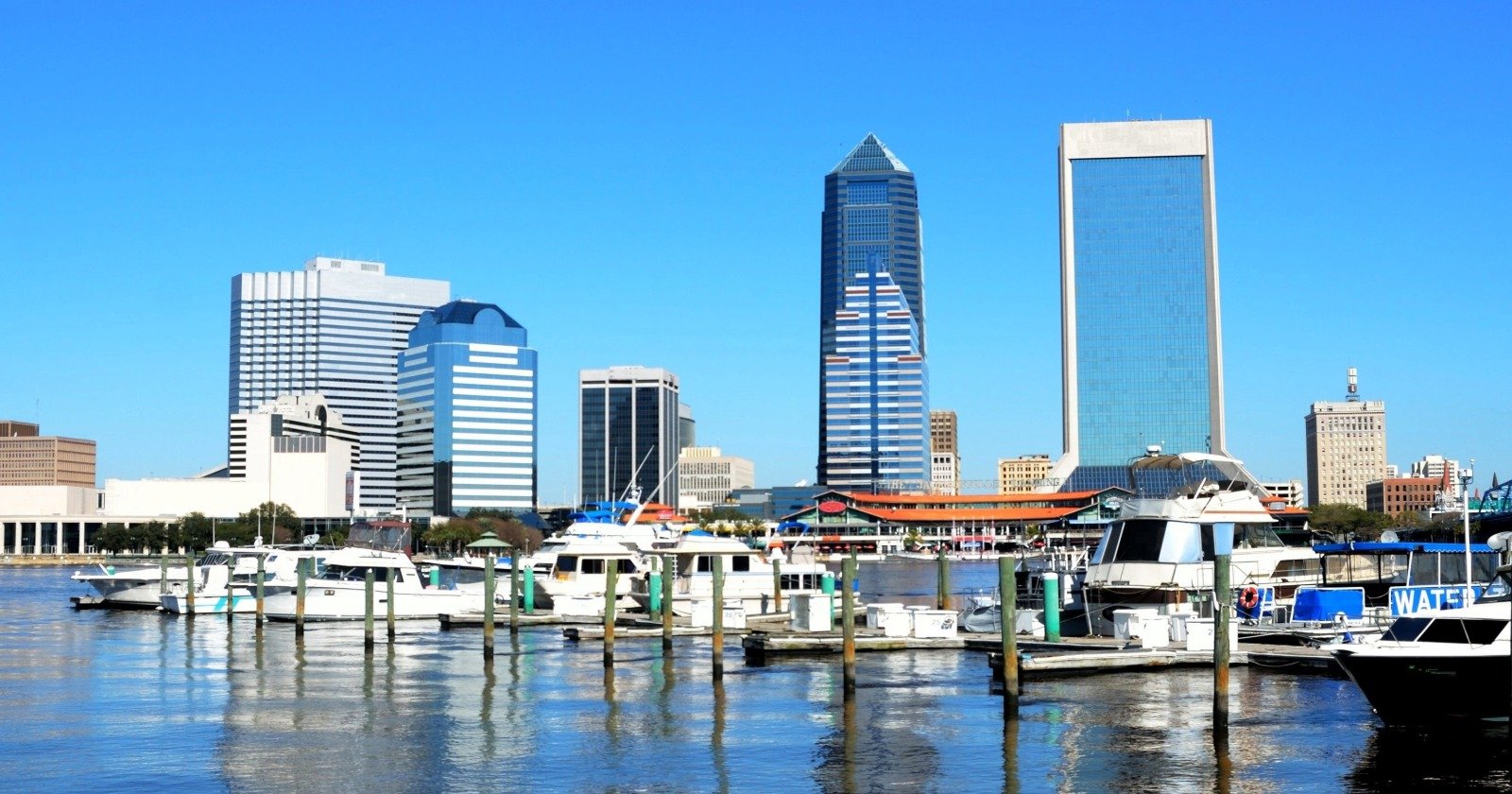
Jacksonville rent prices in 2026: the cheapest of Florida's big cities, and the fastest-rising
Jacksonville is the cheapest of Florida's four biggest cities to rent in, and it's also the one where rent rose fastest over the p…

It Takes 5 Minimum Wage Workers to Afford a One-Bedroom in Atlanta
A new Best Interest Financial and Clever Real Estate study finds Atlanta has the widest rent-to-wage gap in the country, with a mi…

Indianapolis Rent Prices: What the Data Shows
Indianapolis is one of the most affordable big cities in the country, but the numbers come with a catch. Here is what rent costs a…

Henry Jo is a housing analyst covering rent data, affordability, city comparisons, and much more. He started following rental data while apartment hunting in two cities at once, and he lives in the Pacific Northwest.
Comments (0)
Sign in to join the discussion
No comments yet. Be the first to share your thoughts.