

The Great Rent Divergence: The Sun Belt Is Cooling as the Midwest Heats Up
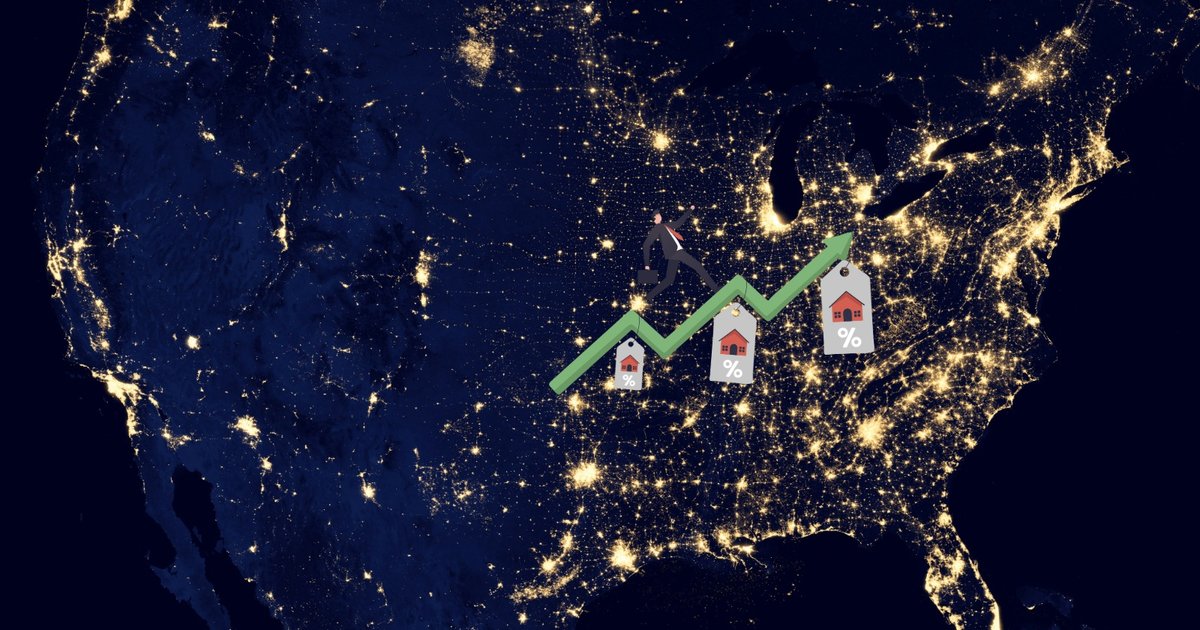
The map of where American rent is heating up has quietly flipped. The metros that saw the wildest rent spikes during the pandemic, across the Sun Belt, are now among the best bargains in the country, while a set of unshowy Midwest cities and a few supply-starved coastal metros have become the places where rent is running hottest.
RentDataNow measures this with the Rent Reality Score, which compares a city's current rent to its own 10-year trend on a 0 to 100 scale. Above 50 means rent is sitting below the city's long-run trajectory, a relative bargain; below 50 means rent has climbed above its own trend, or overheated. Judged that way, the country has split into two camps that defy the usual expensive-versus-cheap story.
The Sun Belt cooled off
The states that boomed hardest have swung the furthest back. In Arizona, Phoenix scores 88, with Tempe at 89 and Glendale at 91, all renting well below their own trends after a wave of new apartments caught up with demand. Florida looks the same: Cape Coral is the single biggest bargain in the country at 93, and Tampa sits at 75. Even Austin, the poster child for pandemic rent mania, now scores 79 as its building boom pushes rents down.
The Midwest and the coasts heated up
The overheated end of the scale is a stranger mix. Supply-starved coastal metros are there as expected, with New York at 31 and Bay Area cities like Sunnyvale and San Jose in the low to high 30s. But so are cities no one thinks of as pricey. Chicago scores 29, and cheap Midwest and Plains cities like Cedar Rapids at 27 and Rockford at 33 are actually more overheated, relative to their own history, than New York is.
Why the map flipped
The divergence comes down to supply. The Sun Belt answered its 2021 rent surge with a record apartment-building boom, and as those units opened between 2023 and 2025, landlords had to compete on price, dragging rents back below trend. The Midwest and Rust Belt built far less, and as renters chased affordability inland, thin housing pipelines let rents outrun slow local trends. On the coasts, construction never kept pace with high-wage hiring, so those markets simply climbed back above trend once the brief 2022 lull passed.
What it means for renters
The practical read is that the old advice to chase the Sun Belt for a deal is, for once, backed by the numbers, because those markets are genuinely below their own trend right now. The counterintuitive part is that a modest Midwest city can be a worse value, measured against its own past, than a famously expensive coastal one. Sticker price and value are not the same thing, which is exactly what the Rent Reality Score is built to separate.
Rents come from RentDataNow, anchored to the Zillow Observed Rent Index (ZORI); the Rent Reality Score is RentDataNow's proprietary metric comparing each city to its own 10-year trend.
Frequently Asked Questions
What is the Rent Reality Score?
It is RentDataNow's 0-to-100 metric comparing a city's current rent to its own 10-year trend. Above 50 means rent is below trend (a relative bargain); below 50 means it has climbed above trend (overheated). Each city is judged against itself, not against other cities.
Is the Sun Belt actually cheaper now?
Relative to its own recent history, yes. Cities like Phoenix, Tampa, and Austin are renting below their long-term trends after a building boom added supply, though they can still be expensive in absolute dollars.
Related Rent Guides

The cheapest month to sign a lease in 50 big cities, and how much waiting can save
Rent follows a seasonal pattern almost everywhere: lowest in winter, highest in summer. In New York the gap between the cheapest a…
The cheapest places to rent in Arizona, and why Phoenix-area renters have room to bargain
Bullhead City and Sierra Vista have Arizona's lowest typical rents, about $1,350 a month. Tucson is the cheapest big city at $1,42…

US rent rose 0.4% in September, and the yearly increase is the biggest since 2024
Typical US rent rose about 0.4% in September, to $1,932, and the annual increase reached 2.9%, the fastest since September 2024. R…

Jennifer Han is the editor in chief of RentDataNow, covering rent trends, housing costs, and more. She was a real-estate agent before she moved to writing about the market.
Comments (0)
Sign in to join the discussion
No comments yet. Be the first to share your thoughts.