

Judge orders New York City to turn over emails in lawsuit challenging historic rent freeze
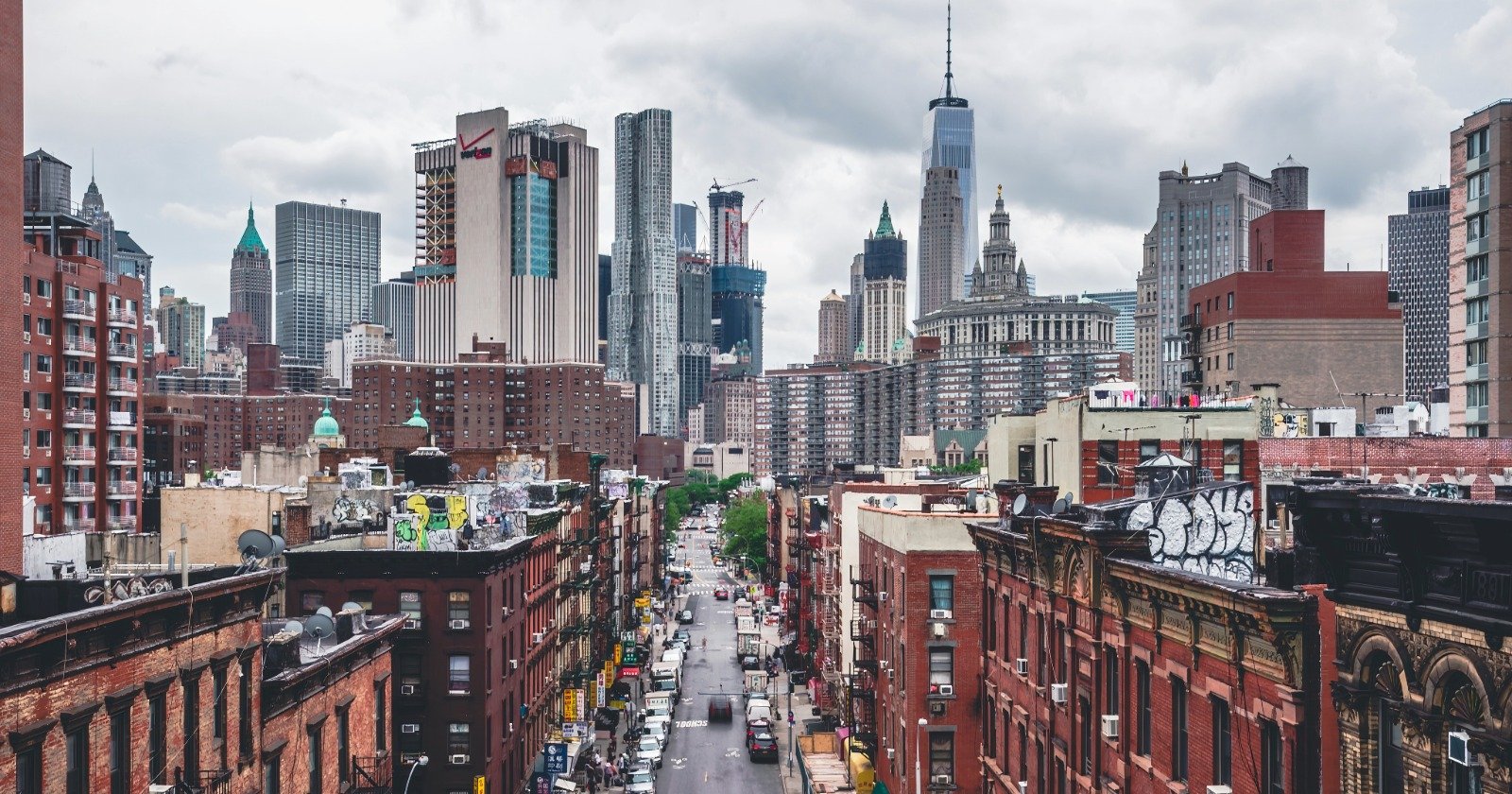
A New York judge has ordered City Hall to turn over its written communications with the Rent Guidelines Board from the months before the board approved a rent freeze on more than a million rent-stabilized apartments last June. The order's a real step in the landlord lawsuit that's trying to undo that freeze.
The stakes are a million households. The board's June vote froze rents on both one-year and two-year leases for the city's rent-stabilized units, the biggest such action in its history, and the suit seeks to reverse it.
What the landlords are arguing
The landlords' argument is that the rent freeze was shaped by politics rather than an independent review of the data. They say the Rent Guidelines Board was improperly influenced by Mayor Zohran Mamdani's administration and steered toward a result that matched one of his campaign promises.
Randy Mastro, representing the landlords, said the records go "to the heart of our position that this was a sham process with a predetermined outcome." The judge agreed the communications were relevant and directed the city to produce everything written between January 1 and June 26, the day of the vote. The city had argued the emails weren't necessary to decide the case, denies influencing the board, and the suit remains pending.
Why the outcome matters beyond the courtroom
Whichever way this goes, it lands on a real market. The typical New York apartment rents for about $4,170 and rose 16% over the past year, one of the steepest climbs in the country, so the units the freeze protects are sitting inside a market that's moving hard the other way.
That gap is the whole reason a freeze on stabilized units matters so much to the tenants who hold them. A stabilized lease frozen at last year's rent, while the open market runs up 16%, becomes something close to an asset, which is exactly why stabilized tenants almost never leave and why the buildings challenging the freeze want it gone. We covered that dynamic in the market-wide numbers behind Manhattan's vanishing listings.
For landlords of stabilized buildings, the freeze is the opposite of an asset. Their costs, taxes, insurance, and repairs, keep rising while the rent line holds flat, which is the case they're making in court and the reason the suit exists at all.
What the emails could decide
The discovery order doesn't rule on any of that, and it's not a finding that the city did anything wrong. It's a decision that the landlords get to see the correspondence, and what those emails show, coordination and pressure, or an arm's-length board that reached its own call, is what the case will likely turn on.
If the communications reveal the mayor's office steering the vote, the landlords have their argument that the process was a sham. If they show a board weighing the data on its own, the city's independence defense holds. Either way, a million tenants and the owners of their buildings are now waiting on what's in a five-month email trail.
We covered the freeze when it passed in the Rent Guidelines Board vote, and whether freezes like it actually lower rent in our review of rent freezes, caps, and algorithm bans.
Sources
WABC / Eyewitness News (September 2026), for the court order, the lawsuit, and quotes
RentDataNow New York rent data, anchored to the Zillow Observed Rent Index, June 2026
Frequently Asked Questions
What did the judge order in the NYC rent freeze case?
The judge ordered City Hall to produce all written communications between the Mayor's Office and the Rent Guidelines Board from January 1 to June 26, the day the board approved the freeze. It is a discovery order, not a ruling on whether the freeze was proper.
Why are landlords suing over the rent freeze?
They argue the Rent Guidelines Board, meant to weigh data independently, was improperly influenced by Mayor Mamdani's administration to fulfill a campaign promise. The city denies steering the vote. The lawsuit seeks to overturn the freeze and remains pending.
What does the New York rent freeze cover?
It froze rents on both one-year and two-year leases for more than one million rent-stabilized apartments, approved by the Rent Guidelines Board in June 2026. It does not cover market-rate units, where typical rent rose about 16% over the past year.
Related Rent Guides

A federal judge blocked New York's ban on rent-setting software, calling it a "close call"
New York's first-of-its-kind ban on rent-setting software is on hold after a federal judge sided with RealPage on free speech grou…
Rent has risen faster than household income since 1990
Median rent has more than tripled since 1990 while household income less than tripled. Here's how the income-to-rent ratio changed…

The cities where high rent pushes renters into poverty
Census counts poverty two ways, and one of them raises the line where rent is high. By that measure, 24% of US renters were poor i…

Jennifer Han is the editor in chief of RentDataNow, covering rent trends, housing costs, and more. She was a real-estate agent before she moved to writing about the market.
Comments (0)
Sign in to join the discussion
No comments yet. Be the first to share your thoughts.