

Your roommate's unpaid rent is legally your problem. Here is what to put in writing.

Three people sign a lease for $2,400, and it is easy to think of that as $800 per person, but the lease usually does not work that way.
Most shared leases make the tenants jointly and severally liable. In practice, that means each tenant can be held responsible for the full rent, not just an individual share. If one roommate stops paying and moves out, the landlord can still demand the full $2,400 from the people who remain.
This is not some unusual clause hidden in the fine print. It is common in shared leases, and it can leave the roommate with the most reliable income or assets covering rent that someone else failed to pay.
What a roommate agreement can and can't do
A roommate agreement is a contract between the tenants. It does not bind the landlord or replace the lease, so it will not prevent the landlord from asking you to cover a roommate's unpaid share.
What it can do is make clear what each roommate owes the others. If you have to cover an extra $800 because someone did not pay, a written agreement gives you something to point to when asking for that money back. If the dispute ends up in small claims court, a signed agreement is also much more useful than two people giving different versions of what they had agreed to.
What to put in it
Rent split and due date. Spell out how much each person pays, who receives the money, and when it is due. If one roommate pays the landlord in full and collects from everyone else, put that in writing too.
Utilities and shared costs. List whose name is on each account, how the bills are divided, and what happens if someone moves out while an account is still in their name.
The deposit. Record how much each person contributed and how any refund will be divided after deductions. Security deposits can become a problem at move-out when one person receives the refund and everyone remembers the original split differently.
Leaving early. Decide who is responsible for finding a replacement, who keeps paying until the room is filled, and how much notice someone has to give before moving out. Without an agreement, an early departure can leave the remaining roommates covering the difference.
Guests and overnight stays. Set expectations for frequent guests, especially when a partner starts spending enough time in the home to affect utilities and other shared costs.
Damage. If one roommate, guest, or pet causes damage, say who is responsible for it. Otherwise, a deduction from the security deposit may end up costing everyone.
The fixes worth asking about
There are also lease arrangements that can reduce the risk, but the landlord has to agree to them. Individual leases, which are common in student housing and some coliving properties, make each tenant responsible for their own room or portion of the rent. If that option is available, it can provide much better protection when another roommate stops paying.
It is also worth asking whether the lease has a written process for replacing a roommate. The lease can spell out how someone who leaves is released and how a replacement tenant is added. Without that process, you may have to negotiate the change with the landlord after the problem has already happened.
Before signing, also check that everyone who plans to live in the unit is actually listed on the lease. An unauthorized roommate can create a separate problem if the lease limits who is allowed to occupy the property.
For the financial side of living with roommates, our data on what splitting rent saves by city shows why sharing a place can be worth it, while the coliving insurance gap looks at another risk renters often overlook.
Sources
Nolo, Renters' Rights, on joint and several liability in shared tenancies
Frequently Asked Questions
What is joint and several liability on a lease?
It means every tenant on the lease owes the entire rent, not just their share. If a roommate stops paying, the landlord can collect the full amount from whichever remaining tenant is easiest to pursue, regardless of any private split you agreed to.
Does a roommate agreement protect me from the landlord?
No. It is a contract between roommates and does not bind the landlord or change the lease. What it does is establish that a roommate who failed to pay owes you that money, which is what you would rely on in small claims court.
What should a roommate agreement include?
The rent split and due dates, how utilities and shared bills are divided, who paid what into the deposit and how it gets returned, notice and replacement rules if someone leaves early, guest expectations, and who covers damage caused by one person.
Related Rent Guides

What a lease guarantor company costs
If you can't meet a landlord's income rule and don't have a relative who qualifies as a guarantor, a company will do it for a fee,…

The cheapest month to sign a lease in 50 big cities, and how much waiting can save
Rent follows a seasonal pattern almost everywhere: lowest in winter, highest in summer. In New York the gap between the cheapest a…
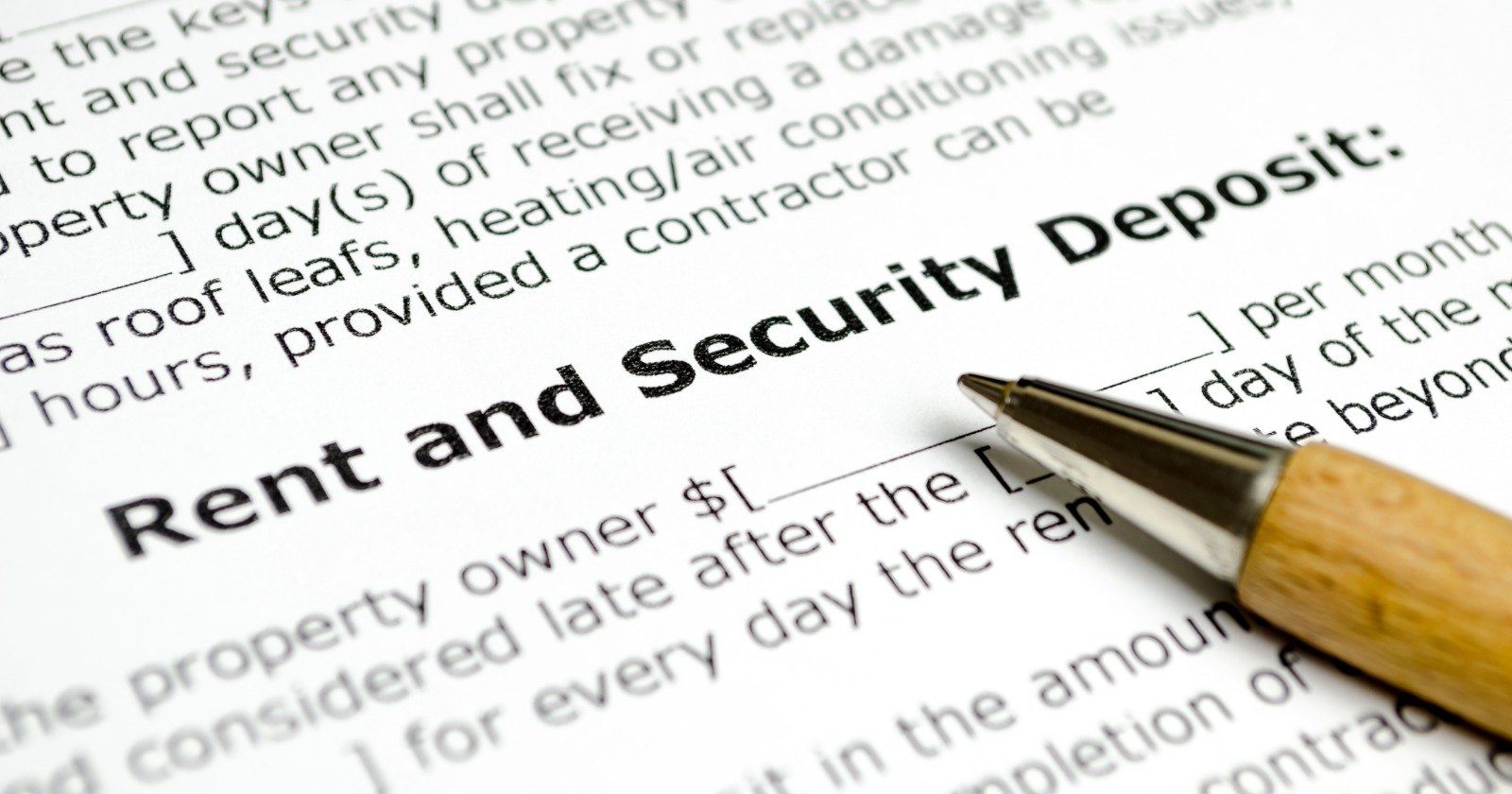
Can you use your security deposit as last month's rent? In Texas it can cost you triple
Skipping last month's rent and letting the landlord keep the deposit is a common idea and often a costly one. In Texas, a tenant w…

Jennifer Han is the editor in chief of RentDataNow, covering rent trends, housing costs, and more. She was a real-estate agent before she moved to writing about the market.
Comments (0)
Sign in to join the discussion
No comments yet. Be the first to share your thoughts.