

Austin Rent Prices: What the Data Shows
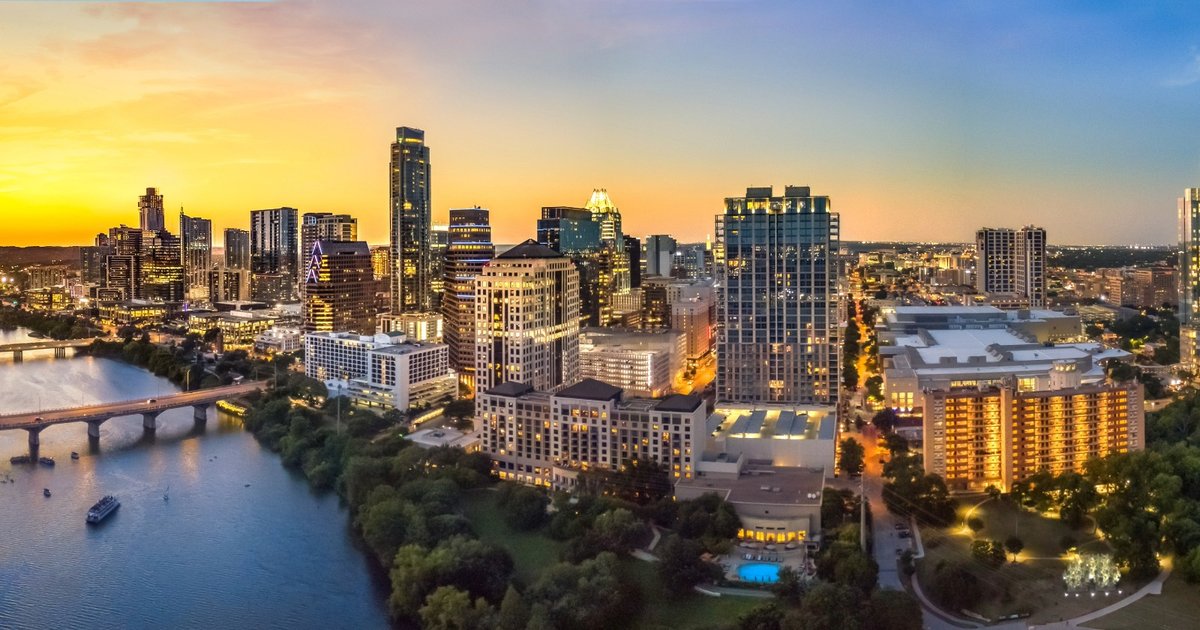
Austin spent the pandemic as the poster child for runaway rent. The data in 2026 tells the opposite story. After a boom-and-bust cycle, rents have cooled so much that Austin is now one of the better values among fast-growing US cities. The median rent is about $1,595, actually below the national median of roughly $1,951. Here is what the numbers show.
What rent costs in Austin right now
The citywide median sits near $1,595, up just 1.9% over the past year, essentially flat. Against a median household income near $93,658, the typical renter spends only about 20% of gross income on a median apartment, comfortably under the 30% affordability line and a rarity among major metros.
The five-year picture
Here is the headline. Over the past five years, Austin rent is up only about 7%, one of the smallest increases of any large US city and a fraction of the 30% to 40% seen in overheated markets. Austin ran up fast during the pandemic tech rush, then gave much of it back as a wave of new apartment construction hit the market and demand normalized. The result is a city that added enormous supply and let renters catch their breath.
The suburbs
The suburban ring runs slightly higher than the city, reflecting newer construction and family demand. Pflugerville is about $1,702, Cedar Park about $1,690, Round Rock about $1,664, and Georgetown about $1,642. For the cheapest option in the metro, San Marcos, the college town to the south, runs about $1,410.
How Austin compares
Austin is now priced right alongside the other big Texas metros rather than above them. It sits between Dallas at about $1,648 and Houston at about $1,566, with San Antonio the cheapest of the group at $1,372. A few years ago Austin was the expensive outlier of Texas. It is not anymore.
Is it a good deal?
By our Rent Reality Score, Austin lands at 79, one of the stronger value readings among big cities, meaning rents are sitting well below the city's own long-term trend. Combine that with a below-national median, flat year-over-year growth, and a low rent-to-income ratio, and Austin has gone from cautionary tale to genuine bargain, at least for now. See the full Austin rent data, check where it lands on our best-value rankings, or compare it to Dallas and Houston in the compare tool.
Sources
Rent figures: RentDataNow, June 2026, with medians and five-year history anchored to the Zillow Observed Rent Index. Median household income: U.S. Census Bureau, American Community Survey.
Frequently Asked Questions
How much is rent in Austin?
The median rent in Austin is about $1,595, up just 1.9% over the past year and actually below the national median of about $1,951. That works out to roughly 20% of the local median household income, unusually affordable for a major metro.
Has Austin rent gone down?
Rent has cooled dramatically. Over five years Austin is up only about 7%, one of the smallest increases of any large US city, after a pandemic surge gave way to a wave of new apartment construction that pushed prices back down from their peak.
Is Austin a good value for renters?
Yes, by the numbers. Austin has a Rent Reality Score of 79, one of the stronger value readings among big cities, with a below-national median, flat annual growth, and a low rent-to-income ratio.
Related Rent Guides
How to Negotiate your rent, and how to know when you have Leverage
Rent negotiation is less about confidence than about conditions. You have real leverage where supply is rising and rents are flat…

Rent Is Falling, but It Still Costs Far More Than Before the Pandemic
Rent is falling in many cities, but zoom out and the typical US rent is still about 36% above its January 2020 level. Even Austin,…
Texas Is a Renter's Market Right Now, With Rent Bargains in Almost Every Major City
RentDataNow's Rent Reality Score shows most big Texas cities renting below their own long-term trend, with Austin, Garland and Den…

Henry Jo is a housing analyst covering rent data, affordability, city comparisons, and much more. He started following rental data while apartment hunting in two cities at once, and he lives in the Pacific Northwest.
Comments (0)
Sign in to join the discussion
No comments yet. Be the first to share your thoughts.