

Nashville Rent Prices in 2026: What the Data Actually Shows
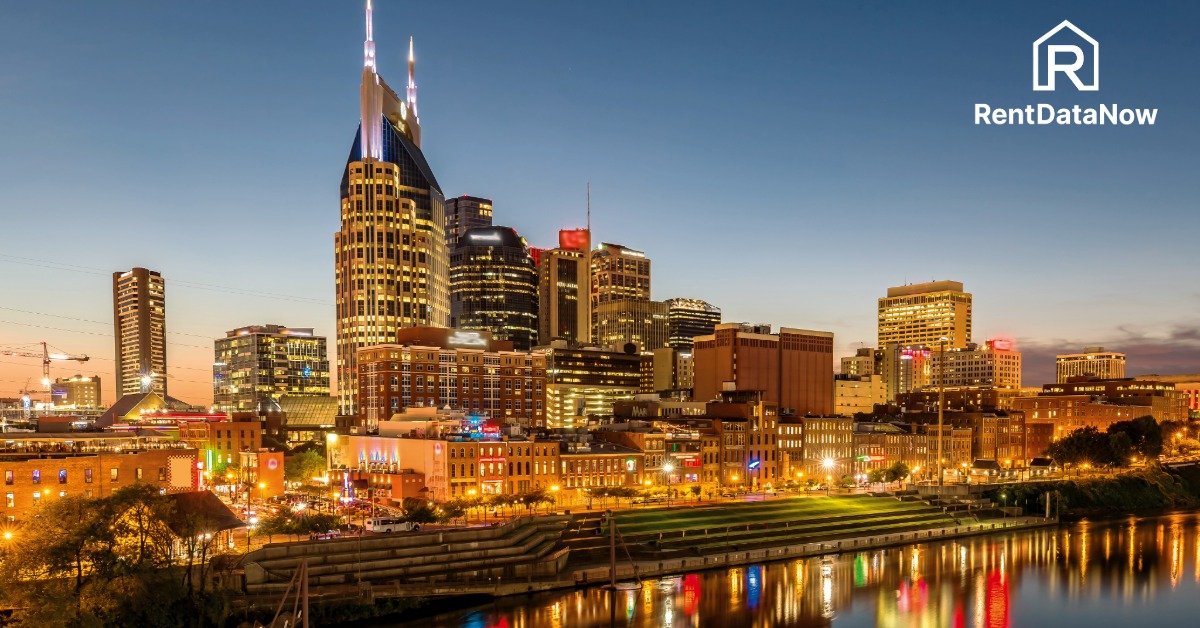
Nashville's reputation as an affordable Sun Belt city no longer matches the data. The median rent sits at $1,772 a month according to RentDataNow's March 2026 figures, which puts it right at the 30 percent cost-burden threshold relative to median income, and that's the citywide median, which includes a lot of cheaper outer neighborhoods pulling the average down. If you're looking at the neighborhoods most renters actually want, you're starting at $1,800 and climbing quickly from there.
The market is essentially flat. Rents are down 0.2 percent year over year and barely moving month over month. That's the good news after several years of sharp increases. The bad news is that Nashville built a lot of luxury product and not much mid-tier housing, so the supply that came online hasn't done much to help renters in the $1,200 to $1,600 range.
What You're Actually Paying by Bedroom
From RentDataNow's current Nashville data: studios average $1,718 a month, one-bedrooms average $1,785, two-bedrooms run $1,977, and three-bedrooms average $2,498. No state income tax in Tennessee helps offset the rent-to-income math somewhat, but Nashville doesn't have especially high local wages outside of healthcare and tech.
Downtown and the Premium Neighborhoods
Downtown Nashville averages $2,596 overall, with one-bedrooms at $2,192 and studios starting at $1,838. That's a 1.2 percent increase year over year, modest by recent Nashville standards but still moving in the wrong direction for renters. The draw is obvious: Broadway, the entertainment district, walkability, and proximity to major employers. The price reflects all of it.
The Gulch is the most aspirational rental neighborhood in Nashville, with one-bedrooms averaging $2,361 and two-bedrooms around $3,000. It's a small, purpose-built urban neighborhood with high walkability scores and easy freeway access, and landlords price accordingly. Capitol View, just to the north, offers a cheaper entry point at around $1,236 average, with less polish but the same general location advantage.
Germantown is up 3.7 percent year over year to an average of $2,270, with one-bedrooms at $2,003. It's one of the tightest submarkets in the city, historic streetscapes, restaurant density, and proximity to the Oracle campus development have created sustained demand with limited new supply. SoBro and Midtown round out the premium tier, with one-bedrooms running $2,079 to $2,231.
East Nashville: The Value Play That's Getting Expensive
East Nashville one-bedrooms averaged around $1,205 to $1,850 depending on the source and product type, which reflects the wide range of housing stock in the area. Older houses converted to rentals and smaller apartment buildings still come in at the lower end. Newer purpose-built apartments and renovated properties push toward $1,850 and higher.
The neighborhood has been absorbing demand from renters priced out of Germantown and The Gulch for several years and is showing it. Five Points, Inglewood, and the broader East Nashville corridor have seen consistent rent appreciation and tight vacancy. For renters who want intown character without downtown pricing, it is still the best option inside the city limits, but the window on "cheap East Nashville" has largely closed.
The Affordable End: What Under $1,200 Actually Looks Like
The genuinely affordable Nashville neighborhoods are in the south and southeast. Antioch-Priest Lake averages $1,057 for a one-bedroom. Southeast Nashville and Talbot's Corner come in around $1,045 to $1,095. These neighborhoods are car-dependent, a solid 20 to 30 minutes from downtown in traffic, and lack the restaurant and retail infrastructure of the urban core. They're practical for renters who work remotely or commute outside the city center, but they're not the Nashville most people move here for.
South Nashville averages $1,218 for a one-bedroom and sits closer in than Antioch. Bellevue and West Meade are also in the affordable tier with more suburban character. The tradeoff in all of these is that Nashville's transit infrastructure is genuinely limited. Bus routes exist but are slow. There is no rail. If you're in Antioch and your job is in Midtown, you're driving that commute every day.
The Suburbs: Where Most of the New Supply Is Going
Murfreesboro to the southeast has become one of the fastest-growing rental markets in the metro, with newer apartment inventory and significantly lower rents than Nashville proper. Franklin and Brentwood to the south are premium suburbs with good schools and high quality of life, but rents there reflect that, expect to pay close to or above Nashville city medians for comparable space.
Hendersonville and Gallatin to the northeast are the most affordable suburban options in the metro, with one-bedrooms well below the city median. Smyrna and La Vergne to the southeast are similarly priced and have benefited from Nissan's manufacturing presence in the area. Spring Hill and Columbia further south are growing fast as renters follow the I-65 corridor looking for space at lower cost.
The Honest Assessment
Nashville is no longer cheap. It was never as cheap as Houston or Indianapolis even before the pandemic-era surge, and five years of migration-driven demand have pushed rents into genuinely unaffordable territory for workers at median local income. The market has stabilized, which is better than continued increases, but stabilization at current prices means renters who moved here expecting Dallas-level affordability are paying closer to Philly or Denver prices without the transit infrastructure that makes those cities livable without a car.
The best value plays right now are the flat or slightly declining outer neighborhoods like Southeast Nashville and Antioch for budget-focused renters, and the suburban corridors toward Murfreesboro and Gallatin for anyone with flexibility on commute.
Check current Nashville rent data by neighborhood and bedroom type at RentDataNow.
Frequently Asked Questions
Is Nashville still an affordable city to rent in 2026?
Not in the way people expect. At around $1,772 median rent, Nashville is sitting right at the cost-burden line relative to income. The bigger issue is that the neighborhoods most people want are already above that number, so the “affordable Nashville” narrative doesn’t hold up once you narrow your search.
Why does Nashville feel more expensive than the numbers suggest?
Because the median includes cheaper outer neighborhoods that most renters aren’t considering. Once you focus on places like The Gulch, Germantown, or Midtown, you’re starting closer to $2,000. The average looks reasonable, but the lived reality is higher.
Where are the cheapest places to rent in Nashville right now?
Areas like Antioch, Southeast Nashville, and Talbot’s Corner still offer one-bedrooms around $1,050 to $1,100. The tradeoff is distance and lifestyle, these are car-dependent areas with longer commutes and less of the “Nashville experience” most people move for.
Related Rent Guides
How to Break a Lease Without Losing Your Deposit
Breaking a lease does not have to cost you your security deposit. Here is how to read your options, use your legal protections, an…

Why Every Rent Report Gives a Different Number, and Which One to Trust
One city, five rent reports, five different numbers. Here is what each major source actually measures, why they disagree, and whic…

Average Rent by State: From $1,206 in Iowa to $3,612 in New York
Rent varies nearly threefold across the US. Here is the average rent in all 50 states, from the cheapest to the most expensive, wi…

Henry Jo is a housing analyst covering rent data, affordability, city comparisons, and much more. He started following rental data while apartment hunting in two cities at once, and he lives in the Pacific Northwest.
Comments (0)
Sign in to join the discussion
No comments yet. Be the first to share your thoughts.