

San Francisco banned rent algorithms two years ago but it isn't helping as rents keep on rising
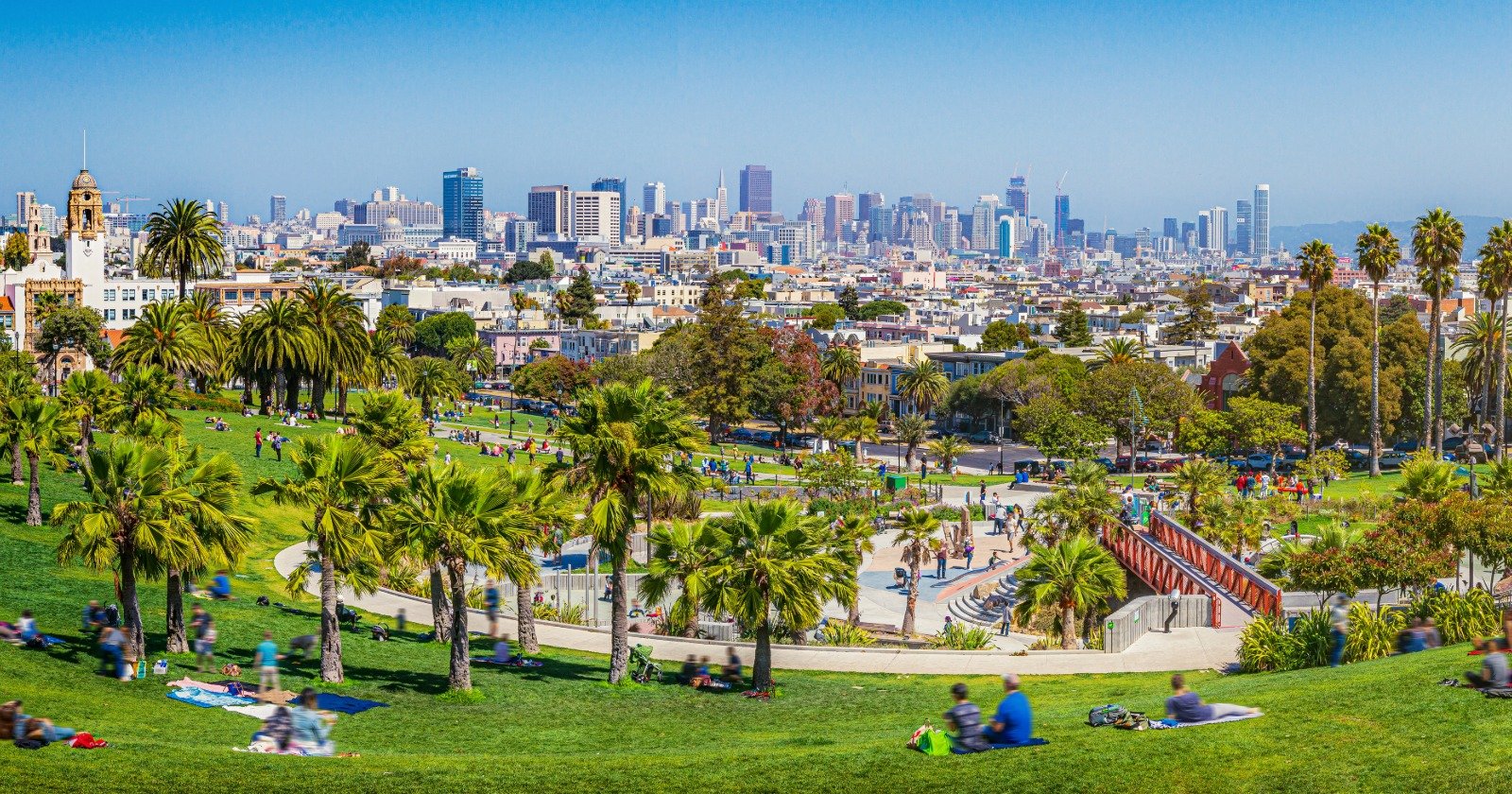
Back in 2024 San Francisco became the first US city to ban landlords from using rent-setting software. Two years on, not one landlord has been sued after the new law passed, according to the city attorney's office and the San Francisco Anti-Displacement Coalition, who both told The San Francisco Standard they don't know of any civil action.
Over the same two years, rent in San Francisco went from about $3,347 a month to $4,539. That's a 36% increase, and it's the fastest run up in the city's recorded history.
The law worked for a very short time
Splitting the two years apart is what makes the story interesting.
Period | Start | End | Change |
|---|---|---|---|
Year one after the ban | $3,347 | $3,494 | +4.4% |
Year two after the ban | $3,494 | $4,539 | +29.9% |
Both years combined | $3,347 | $4,539 | +35.6% |
For twelve months after the ordinance passed, San Francisco rent rose 4.4%, which is close to the national average increase, and then it exploded.
Aaron Peskin, who authored the law as board president, says it helped early on. "I think at the time it helped stabilize rents for sure," he said. "But obviously that was before a trillion dollars of AI capital was invested and rained down on poor San Francisco again."
What the year-two number shows is that whatever the ban was doing, the AI demand shock rolled straight over it. Hemant Bhargava, a professor at the UC Davis Graduate School of Management, argues the current spike is about demand rather than collusion, with high-paying AI jobs pouring into a market already starved by years of underbuilding. "The demand can change very rapidly, but the supply cannot," he said.
His verdict on the policy itself is blunter still. "Banning algorithms or AI software on pricing is really barking up the wrong tree," Bhargava said, "and that's why it hasn't fixed the problem."
What our numbers say about the AI claim
The AI boom didn't start when the law passed or when the Department of Justice settled with RealPage. It started in early 2026, and it has been getting steeper every month since.
This year in San Francisco, rent went from $3,958 in March to $4,539 in July, a 14.7% jump in four months. ApartmentList measured asking rents up 14% across the same stretch, so two independent datasets built on different methods are within a percentage point of each other.
There's also a scale problem with the original theory. Peskin's office estimated in 2024 that companies using pricing software controlled as much as 70% of the city's rental stock. RealPage said its own software touched 10% of San Francisco units. Those two figures are far enough apart that the ban's potential reach was disputed from the start, and no enforcement action has since tested which was closer.
None of this means the software question was false. The Justice Department sued RealPage over coordinated pricing and reached a settlement limiting how it uses nonpublic data, and cities from Philadelphia to New Jersey have passed their own restrictions. It means the software was never the main driver setting San Francisco rents.
Supervisor Connie Chan, who co-authored the ordinance, still thinks enforcement matters and says she isn't convinced every landlord has stopped using the tools. She's pointed renters toward the city attorney and tenants' rights groups if they believe they've been affected.
San Francisco now has a law with no cases, a 36% rent increase, and a controller's office describing an accelerating AI boom. We asked the general version of this question in whether rent freezes, caps and algorithm bans actually lower rent, and this is the closest thing to a controlled answer any city has produced.
Sources
The San Francisco Standard, SF tried to ban its way to lower rents (August 21, 2026), for the absence of lawsuits, quotes and policy history
ProPublica, Rent Going Up? One Company's Algorithm Could Be Why (2022), the investigation that prompted the ordinance
RentDataNow San Francisco rent data, monthly, anchored to the Zillow Observed Rent Index, June 2024 through July 2026
Frequently Asked Questions
Did San Francisco's rent algorithm ban work?
Not on price. Rent has risen about 36% since the 2024 ordinance passed, and no landlord has been sued under it. The first year after the ban was calm at 4.4%, but rent then jumped 29.9% in year two as AI hiring surged.
Why are San Francisco rents rising so fast?
A demand shock. High-paying AI jobs are pulling workers into a market constrained by years of underbuilding and restrictive zoning. Rent rose 14.7% between March and July 2026 alone, and the city controller describes an accelerating AI-driven boom.
Do rent-setting algorithm bans lower rent?
San Francisco is the clearest test so far, and the answer there is no. Economists point to supply as the binding constraint, since demand can shift in months while new housing takes years. Bans may address fairness in pricing without changing what the market charges.
Related Rent Guides
San Francisco rent hits record $4,682 a month, requiring a $187,280 salary
Typical rent in San Francisco hit $4,682 in August, up 25.1% in a year. At the 30% rule that takes $187,280 a year, which is more…
Rent has risen faster than household income since 1990
Median rent has more than tripled since 1990 while household income less than tripled. Here's how the income-to-rent ratio changed…

The cities where high rent pushes renters into poverty
Census counts poverty two ways, and one of them raises the line where rent is high. By that measure, 24% of US renters were poor i…

Jennifer Han is the editor in chief of RentDataNow, covering rent trends, housing costs, and more. She was a real-estate agent before she moved to writing about the market.
Comments (0)
Sign in to join the discussion
No comments yet. Be the first to share your thoughts.