

San Francisco Rent Tops $4,000 as the AI Hiring Boom Reheats the Bay Area
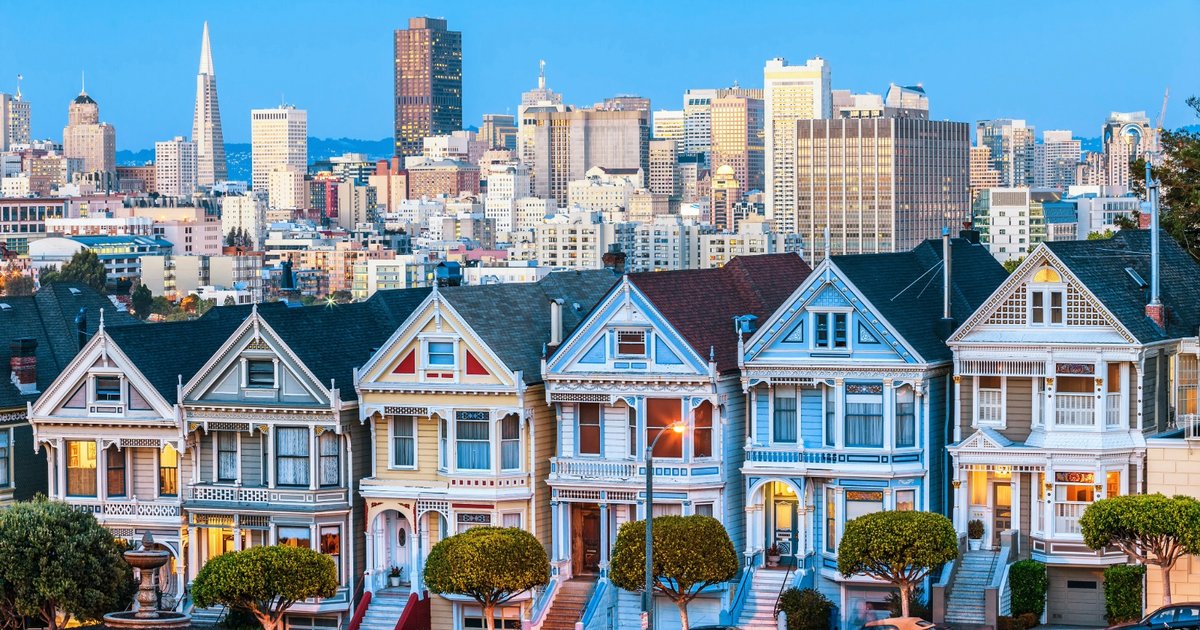
San Francisco rent has broken another record. The median one-bedroom in the city has now topped $4,000 a month, driven by a resurgence in technology hiring and a widespread return to the office, according to figures from the rental tracker Zumper reported by NBC Bay Area.
Crystal Chen of Zumper tied the increases to the local job market. One of the biggest drivers is AI hiring and the return to office, she said, adding that occupancy in San Francisco is running at 96%. In other words, demand has come roaring back while supply has not.
The whole corridor is near or above $4,000
Our own data shows the pressure is not limited to the city. Measured across all unit types, the median rent in San Francisco is about $4,253, up a striking 23.3% over the past year. The Silicon Valley cities that host the biggest tech headquarters are right there with it: Mountain View is about $4,177, Palo Alto about $4,037, Santa Clara about $3,809, Sunnyvale about $3,707, and San Jose about $3,413. Each of those markets rose between roughly 8% and 11% over the past year.
How overheated the market is
By RentDataNow's Rent Reality Score, which measures rent against a city's own long-run trend, San Francisco is the most overheated reading in our data. Rents there are up about 42% over five years, far outpacing the city's historical trajectory. That is what a supply shortage colliding with a hiring surge looks like: even with some of the highest household incomes in the country, near $141,000 in San Francisco and above $180,000 in several Silicon Valley cities, renters are paying near-record shares of it for housing.
The supply problem behind it
The Bay Area's high home-purchase costs keep pushing would-be buyers into the rental market, and a severely limited housing supply keeps both prices and rents elevated. Lawmakers are again looking to Washington. U.S. Rep. John Garamendi said a significant affordable housing bill is awaiting the president's signature, arguing there is no option but to build low-income housing.
For renters priced out of the core, the nearest relief is across the bay. Oakland runs about $2,592, well below San Francisco and the Peninsula, though it has climbed too. Renters weighing a move can compare any two of these markets in the RentDataNow compare tool, see where the city ranks on our most overheated rental markets list, or read the full San Francisco rent breakdown by neighborhood.
Sources
Reporting, the $4,000 one-bedroom figure, occupancy, and quotes: NBC Bay Area, San Francisco rent tops $4,000 amid AI hiring boom and Bay Area housing shortage (July 2026), citing Zumper. All-unit rent figures and the Rent Reality Score: RentDataNow, June 2026, anchored to the Zillow Observed Rent Index.
Frequently Asked Questions
How much is rent in San Francisco right now?
The rental tracker Zumper reported the median one-bedroom has topped $4,000 a month. Measured across all unit types, RentDataNow puts San Francisco's median rent at about $4,253, up roughly 23.3% over the past year.
Why is Bay Area rent rising so fast?
Zumper attributes the surge to AI hiring and return-to-office mandates, which have pushed San Francisco occupancy to about 96%. Demand has rebounded sharply while the region's housing supply remains severely limited, keeping both rents and home prices elevated.
Are Silicon Valley cities as expensive as San Francisco?
Nearly. Per RentDataNow, Mountain View is about $4,177 and Palo Alto about $4,037, both near San Francisco levels, with Santa Clara around $3,809, Sunnyvale $3,707, and San Jose $3,413. Each rose roughly 8% to 11% over the past year.
Related Rent Guides

The cheapest month to sign a lease in 50 big cities, and how much waiting can save
Rent follows a seasonal pattern almost everywhere: lowest in winter, highest in summer. In New York the gap between the cheapest a…

US rent rose 0.4% in September, and the yearly increase is the biggest since 2024
Typical US rent rose about 0.4% in September, to $1,932, and the annual increase reached 2.9%, the fastest since September 2024. R…
More Americans earning $1 million a year are choosing to rent
Households earning at least $1 million a year that rent grew 229% to about 18,400, RentCafe found. In Seattle, San Jose, and Los A…

Henry Jo is a housing analyst covering rent data, affordability, city comparisons, and much more. He started following rental data while apartment hunting in two cities at once, and he lives in the Pacific Northwest.
Comments (0)
Sign in to join the discussion
No comments yet. Be the first to share your thoughts.