

Miami Rent by Neighborhood: Where to Find Deals 2026
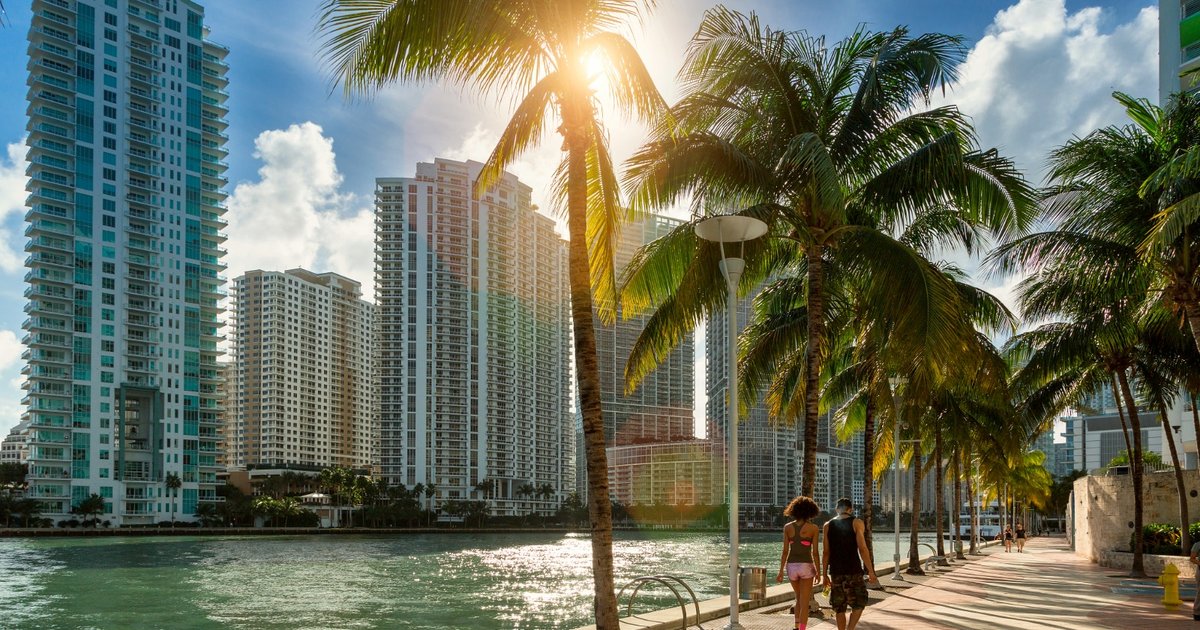
Miami's citywide median rent is $3,001 a month, but that number hides a spread from $1,610 one-bedrooms in Little Haiti to $2,990 in Brickell and Coral Gables. The Miami most renters picture when they hear the city name is Brickell and South Beach. That Miami is genuinely expensive and getting more so. The Miami that actually houses most of the city's workforce is a different set of neighborhoods, and a renter who knows the map can find a one-bedroom well under $2,000 inside Miami-Dade.
All figures from RentDataNow ZIP and neighborhood data, April 2026.
The Biggest Drops: Where Renters Have Leverage Now
Little Haiti (33150) fell 13.5% year over year, the steepest decline in the dataset, now at $2,122 median with one-bedrooms at $1,610 and two-bedrooms at $1,960. Little Haiti sits northwest of Wynwood and has been in a slow transition for years, absorbing spillover demand from the Wynwood arts district without fully gentrifying. The sharp rent decline suggests supply has outpaced demand in the current market. For renters who want a low one-bedroom price inside Miami city limits, $1,610 is the number to know.
North Miami and Bay Harbor (33181) fell 8.0% to $2,402, one-bedrooms $1,840, two-bedrooms $2,250. North Miami Beach (33162) fell 4.6% to $2,121, one-bedrooms $1,730. Westchester and Fontainebleau (33174) fell 6.0% to $2,580, one-bedrooms $2,090. All three are outer Miami-Dade ZIPs where the correction from the 2022 peak has been sharpest. Renters in any of these neighborhoods have real negotiating leverage right now.
The Budget Tier: North Miami, Little Havana, Liberty City
Several Miami neighborhoods hold one-bedroom averages under $1,900, which by Miami standards represents genuine relative affordability.
Overtown's neighborhood median is $2,615, down 1.32% year over year, with one-bedrooms at $1,550 in the 33136 ZIP, the lowest one-bedroom average in any walkable Miami neighborhood in this dataset. Overtown sits directly adjacent to downtown and has been the subject of significant redevelopment investment, but remains underpriced relative to its location.
Little Havana (33135) runs $2,182 median, one-bedrooms $1,830, up 6.2% year over year. Little Havana is Miami's most culturally dense neighborhood, Calle Ocho running through the heart of it, with a food and music scene that is genuinely irreplaceable. The rent growth is something to watch but the absolute price is still significantly below the city median.
Liberty City (33142) sits at $2,356, one-bedrooms $1,710, up 4.3%. Liberty City and Model City (33147) are at $2,535, one-bedrooms $1,760, down 2.7%. Both are historically Black neighborhoods in northwest Miami with lower rents driven by lower local incomes rather than lower demand. The rent-to-income ratio in these neighborhoods is among the most strained in the city.
The Middle Market: Kendall, Doral, Upper East Side
The Kendall corridor in southwest Miami-Dade represents the most consistent family-oriented middle market in the metro. Kendall (33176) runs $2,347, two-bedrooms $2,610, down 2.2%. Kendall West (33183) is $2,517, down 2.3%. Kendall South (33186) is $2,613, down 0.7%. Three Kendall ZIPs declining simultaneously signals a broader suburban south corridor softening that gives families in that area real options.
Doral (33178) sits at $3,031, two-bedrooms $3,650, up 1.0%. Doral is Miami's corporate suburb, housing the Latin American headquarters of dozens of multinational companies, and the rental stock reflects that with a concentration of newer, larger apartment complexes. For renters in that employment corridor, the price is high but the income base typically supports it. The adjacent Doral-Sweetwater ZIP (33172) is cheaper at $2,478, two-bedrooms $2,920, up just 0.8%.
Upper East Side and Miami Shores (33138) sit at $2,324, one-bedrooms $1,770, up 1.7%. The Upper East Side has been one of Miami's more watched neighborhoods for the past several years, with art galleries and restaurants establishing along Biscayne Boulevard. The one-bedroom at $1,770 is one of the more accessible prices in a neighborhood with genuine upward trajectory.
Wynwood, Brickell, and the Premium Core
Wynwood (33127) runs $2,998 median, one-bedrooms $1,750, up 2.1%. The one-bedroom average being well below the median reflects a rental stock where larger luxury units pull up the median while older walk-up buildings keep the entry point lower. Wynwood's art district identity is fully priced in at this point, but the one-bedroom at $1,750 is still accessible for a neighborhood with that cultural footprint.
Brickell (33131) is at $3,793 median, one-bedrooms $2,990, two-bedrooms $3,650, up 1.9%. Brickell and Riverside (33130) is $3,151, one-bedrooms $2,220, down 0.3%. The internal variation within Brickell is significant: the older Riverside edge of the neighborhood is running $1,500 cheaper per month than the high-rise core, with rents actually falling.
South Beach (33139) is $3,053, one-bedrooms $2,960, up 6.7%. Mid-Beach (33140) is $3,948, up 9.0%. The beach corridor is appreciating consistently, driven by supply constraints and tourism-adjacent demand that doesn't respond to the broader market softening visible in the outer neighborhoods.
The Fastest-Growing Neighborhoods: Coral Gables, Key Biscayne
Coconut Grove's neighborhood median is $3,580, up 7.77% year over year. The Coconut Grove-Brickell border ZIP (33129) is up 9.3%. Coral Gables (33146) is up 14.8% to $3,668, one-bedrooms $2,990, the steepest increase of any established residential neighborhood in the dataset. Coral Gables has been Miami's most prestigious municipality for a century and the supply of rental units there is genuinely constrained. The 14.8% growth reflects a market where demand keeps outrunning what's available.
Key Biscayne (33149) sits at $8,143 median, up 16.2%, one-bedrooms $2,820. The median is distorted by waterfront luxury rentals, but even the one-bedroom average reflects a barrier island market entirely disconnected from Miami's affordability conversation.
The full income and affordability breakdown for Miami is at the Miami city page on RentDataNow. Use the compare tool to run Miami against any other Florida city.
Frequently Asked Questions
What are the most affordable Miami neighborhoods for renters?
Little Haiti, Overtown, North Miami Beach, Little Havana, Liberty City, and the Upper East Side offer some of the lowest one-bedroom rents in the Miami dataset.
Where are rents dropping the most in Miami?
Little Haiti has the steepest rent drop at 13.5% year over year, followed by North Miami and Bay Harbor, Westchester and Fontainebleau, and North Miami Beach.
Can you still find a one-bedroom under $2,000 in Miami?
Yes, one-bedrooms under $2,000 still show up in areas like Little Haiti, Overtown, North Miami Beach, Little Havana, Liberty City, Upper East Side, and parts of Wynwood.
Related Rent Guides

Why more Americans in their 30s are moving back home with their parents
Renting the typical US apartment on your own now takes an income of $84,321 a year, up from $63,258 in 2020. That $21,000 increase…

Half of Young Adults Still Live With Their Parents. The Rent Math Shows Why.
Nearly half of American adults under 30 now live with a parent, and moving home has shed its stigma. Our data on what it actually…

Can a Nurse Afford Rent in America's Biggest Cities?
Registered nurses earn well above the median, yet in five metros their rent still crosses the federal 30 percent burden line. San…

Henry Jo is a housing analyst covering rent data, affordability, city comparisons, and much more. He started following rental data while apartment hunting in two cities at once, and he lives in the Pacific Northwest.
Comments (0)
Sign in to join the discussion
No comments yet. Be the first to share your thoughts.